
‘Woke’ isn’t going to die in DeSantis’ Florida. It’s just taking its dollars elsewhere | Opinion
Think of a dystopian, polarized country, where Americans are not only divided based on political beliefs but also on where they live and shop, what beer they drink, what doctors they visit, whether they are vaccinated, where they go on vacation and attend professional conferences.
This is what politicians who want to inject extremism (from the right or the left) into governing seem to want to accomplish: to reshape their communities so that only like-minded people feel comfortable co-existing.
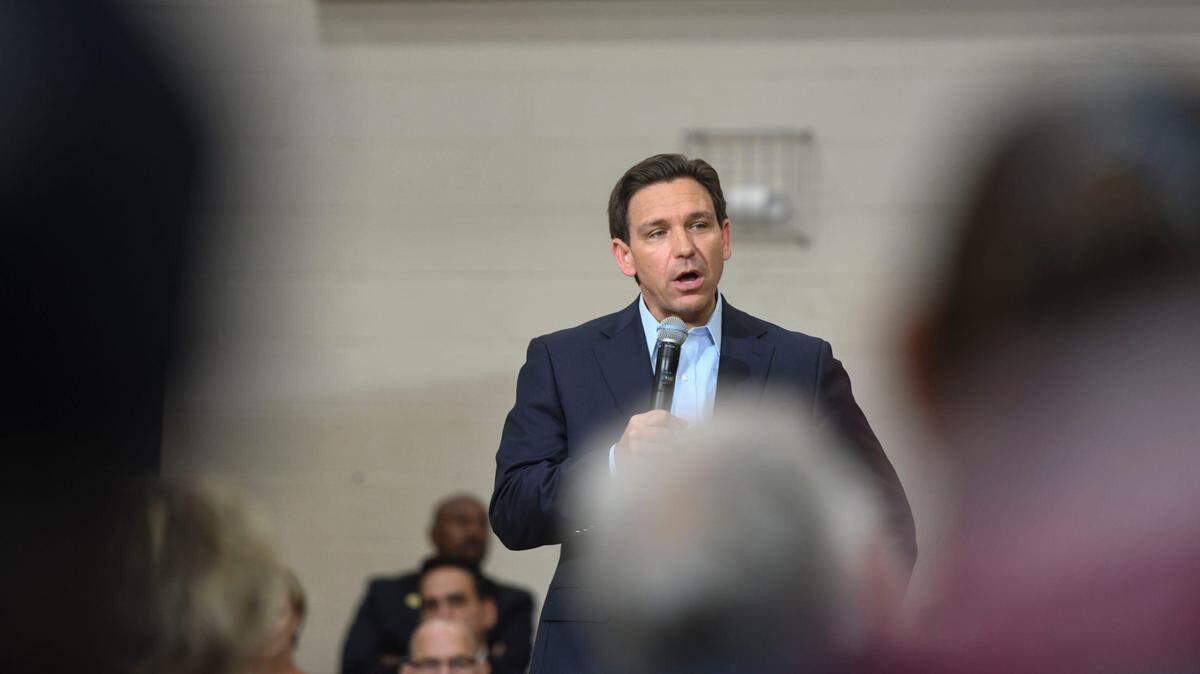
Gov. Ron DeSantis has made no secret that his approach to governing is “You’re either with me or get the heck out.” He has signed laws and used state power against: teachers; transgender people; African Americans; women’s bodies; teachers and unions; university professors and academic freedom; universities that want to diversify their student body; immigrants; LGBTQ people and drag queens.
Most recently, DeSantis defended a bizarre and homophobic video his campaign shared on Twitter, calling it “fair game” to attack Donald Trump for past statements in support of LGBTQ rights. Not surprising coming from the governor of the state “where woke goes to die.”
The governor probably doesn’t lose sleep over the few conferences that Florida has lost recently as professional organizations take their dollars and thousands of attendees to states with less extreme policies. That blue parts of the state, Broward and Orange counties, lost the opportunity to host those events fit right into the governor’s strategy. DeSantis’ motto is to “own the libs.”
Two organizations canceled events that were planned in the Orlando area in coming years. AnitaB.org, a group of women and nonbinary tech workers, canceled a 2027 event that normally draws about 16,000 visitors. The group told the Orlando Sentinel it will no longer hold events in the state after this year’s conference at the Orange County Convention Center. The reasons are Florida’s abortion ban, its easing of gun regulations and the state’s efforts “to erase the identities and dignities of people from historically marginalized and excluded groups, including Black, Brown, LGBTQIA+, and Indigenous people.”
Broward County has lost more than half-dozen conferences, thanks to Florida’s political climate, organizers told the county’s tourism agency Visit Lauderdale, as the Sun Sentinel reported Friday. Among them is the 2024 National Family and Community Engagement and Community Schools Conference, which would have needed more than 2,000 hotel rooms. The organization “decided to pull out of Florida due to concerns about what the Governor is doing in the education/schools and that he will likely run in 2024. They do not want to lose attendees due to this,” according to a list of cancellations Visit Lauderdale put together.
The governor’s office told the Sun Sentinel the cancellations are “nothing more than a media-driven stunt.” His administration recently released numbers that show the number of tourists visiting the state is up compared to last year. Florida also welcomed nearly 320,000 new residents from other states between 2021 and 2022, according to the U.S. Census Bureau. DeSantis claims credit for those new residents but Florida benefits from a series of factors, such as the longstanding lack of state income taxes and the rise of remote work during the pandemic
Have DeSantis’ policies caused widespread financial ruin in Florida? No, though the hotels and conference centers that lost business might see it differently.
The bigger question is who DeSantis thinks Florida is for. Nonbinary tech workers are not his intended demographic. Neither are college professors, who have warned that the state’s crackdown on what they can teach regarding race is causing a brain drain. Nor are the undocumented workers who are leaving the state after DeSantis signed into law one of the most draconian immigration laws in the country (it requires, among other things, that immigrants disclose their citizenship status at hospitals).
Are these people leaving in big enough numbers to make a difference? We bet that’s the governor’s goal.
The Florida Blueprint he’s trying to sell to presidential primary voters doesn’t concern itself with having a diverse workforce, attracting the best and brightest or ensuring that Florida’s agriculture has enough people to work its fields. Its myopic focus is fighting the outsider — and there are more and more of those — and rewarding those who fall in line.
BEHIND THE STORY
MOREWhat's an editorial?
Editorials are opinion pieces that reflect the views of the Miami Herald Editorial Board, a group of opinion journalists that operates separately from the Miami Herald newsroom. Miami Herald Editorial Board members are: opinion editor Amy Driscoll and editorial writers Isadora Rangel and Mary Anna Mancuso. Read more by clicking the arrow in the upper right.
What's the difference between an op-ed and a column?
How does the Miami Herald Editorial Board decide what to write about?
The Editorial Board, made up of experienced opinion journalists, primarily addresses local and state issues that affect South Florida residents. Each board member has an area of focus, such as education, COVID or local government policy. Board members meet daily and bring up an array of topics for discussion. Once a topic is fully discussed, board members will further report the issue, interviewing stakeholders and others involved and affected, so that the board can present the most informed opinion possible. We strive to provide our community with thought leadership that advocates for policies and priorities that strengthen our communities. Our editorials promote social justice, fairness in economic, educational and social opportunities and an end to systemic racism and inequality. The Editorial Board is separate from the reporters and editors of the Miami Herald newsroom.
How can I contribute to the Miami Herald Opinion section?
The Editorial Board accepts op-ed submissions of 650-700 words from community members who want to argue a specific viewpoint or idea that is relevant to our area. You can email an op-ed submission to oped@miamiherald.com. We also accept 150-word letters to the editor from readers who want to offer their points of view on current issues. For more information on how to submit a letter, go here.