
If China builds a spy base in Cuba, 90 miles from Florida, Biden must push back | Opinion
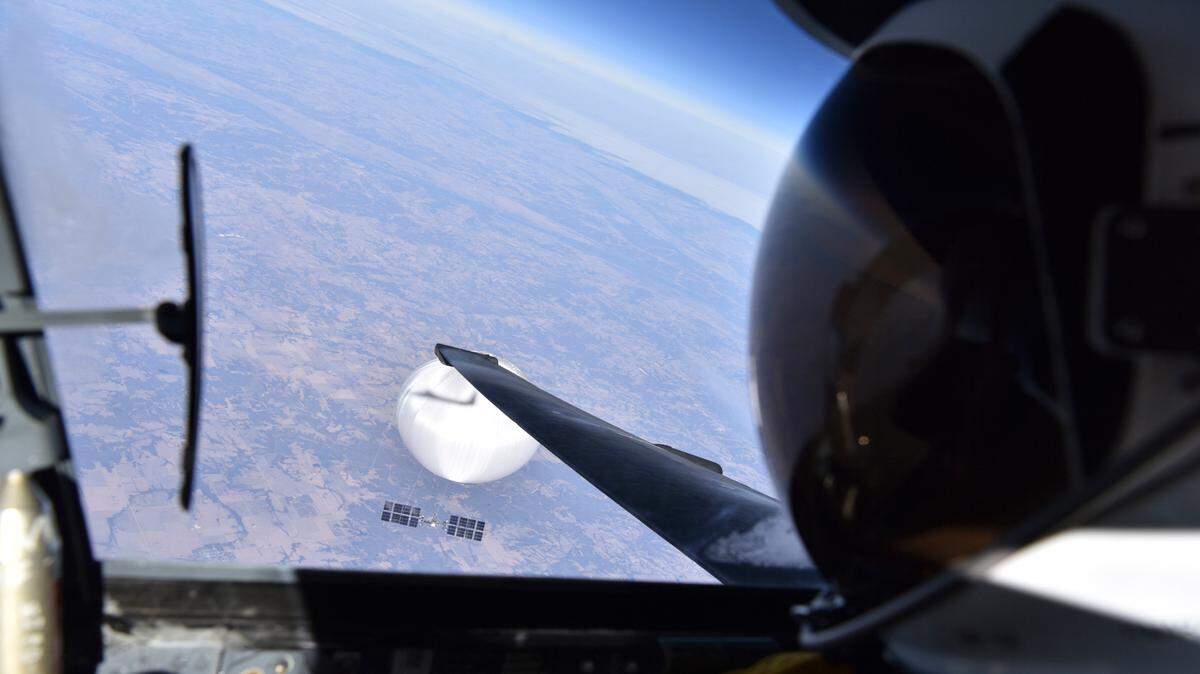
Remember the Chinese spy balloon flying over the United States earlier this year, the one the Biden administration said had been capable of collecting intelligence before the U.S. shot it down off the South Carolina coast?
Now there’s a new threat coming from China. It’s a lot more blatant and it’s just 90 miles away — in Cuba.
China is establishing a spy base in Cuba, according to information first reported by the Wall Street Journal. It would be focused on the United States and give Chinese intelligence agencies a way to track electronic communication in the southwestern U.S, though the region covered would include U.S. Southern Command — in Miami-Dade County — and other military facilities.
This China-Cuba cooperation, if true, is an aggressive new step in a growing problem for the United States. While China is considered to be the most consequential threat to the United States as well as its primary economic rival, it is making strong inroads in Latin America. That has been a concern for years. The war in Ukraine has added a new source of tension between the U.S. and China, with the worry that China might provide arms to Russia looming over everything.
China, not Russia
That this secret deal to create an eavesdropping facility is with China, not Russia, runs counter to recent speculation that Russia was planning to reopen its spy base in Lourdes, a town near Havana. That was based in part on reports of Russian officials and diplomats traveling to the island. Cuban leaders also have been supportive of Russia’s invasion of Ukraine.
Amid all of that, the Biden administration has been working to improve its relationship with China, which hit a new low after the spy balloon incident. At the same time, though, there is rising concern among members of Congress and the State Department about China’s growing foothold in Latin America and the Caribbean. China, as the Miami Herald reported, is the largest trading partner for South America. Free-trade deals between Latin American countries and China are becoming more common. The trend — toward more China deals on Florida’s doorstep — is clear.
The choice of Cuba as a partner for China, though, isn’t all that surprising. China already may have a listening post in Bejucal, a town south of Havana. And the island is desperate for cash. Russia is straining under the costs of the Ukraine war, but China has cash to spend. It will reportedly pay billions of dollars to Cuba for the ability to set up this spy base.
U.S. must respond
So what can be done to blunt this threat, so close to our coastline? Assistant Secretary for Western Hemisphere affairs Brian Nichols, the State Department’s top diplomat for the region, called this moment the “most challenging” he has seen in 30 years in the hemisphere. That’s an alarm bell that the has to be heeded.
The Biden administration must act with urgency to help governments in the region succeed so they don’t need to turn to China for help. In the end, helping other countries to help themselves is the only real safeguard likely to work. That kind of help can backfire, as we have seen so often in the foreign-policy arena. But simply allowing China’s bold step to proceed without answering it, strongly, is no option at all.
BEHIND THE STORY
MOREWhat's an editorial?
Editorials are opinion pieces that reflect the views of the Miami Herald Editorial Board, a group of opinion journalists that operates separately from the Miami Herald newsroom. Miami Herald Editorial Board members are: opinion editor Amy Driscoll and editorial writers Isadora Rangel and Mary Anna Mancuso. Read more by clicking the arrow in the upper right.
What's the difference between an op-ed and a column?
How does the Miami Herald Editorial Board decide what to write about?
The Editorial Board, made up of experienced opinion journalists, primarily addresses local and state issues that affect South Florida residents. Each board member has an area of focus, such as education, COVID or local government policy. Board members meet daily and bring up an array of topics for discussion. Once a topic is fully discussed, board members will further report the issue, interviewing stakeholders and others involved and affected, so that the board can present the most informed opinion possible. We strive to provide our community with thought leadership that advocates for policies and priorities that strengthen our communities. Our editorials promote social justice, fairness in economic, educational and social opportunities and an end to systemic racism and inequality. The Editorial Board is separate from the reporters and editors of the Miami Herald newsroom.
How can I contribute to the Miami Herald Opinion section?
The Editorial Board accepts op-ed submissions of 650-700 words from community members who want to argue a specific viewpoint or idea that is relevant to our area. You can email an op-ed submission to oped@miamiherald.com. We also accept 150-word letters to the editor from readers who want to offer their points of view on current issues. For more information on how to submit a letter, go here.