
Fox News’ costly debacle might come back to bite Florida Republicans meddling with defamation law | Opinion
“We’ve seen over the last generation legacy media outlets increasingly divorce themselves from the truth and instead try to elevate preferred narratives and partisan activism over reporting the facts,” Florida Gov. Ron DeSantis said at a roundtable event in Hialeah Gardens in February.
He then urged the Legislature to change state law to make it easier to sue media outlets for defamation. Lawmakers, ever accommodating, followed through with a bill that’s being heard this legislative session.
But, after Fox News settled a defamation lawsuit by Dominion Voting Systems on Tuesday, DeSantis’ words ring with a different tone — of irony. When he attacks “massive media conglomerates,” he’s obviously thinking of the Herald or the New York Times, not the outlets that fawn over him. But it’s conservative Fox that’s agreed to pay $787.5 million to avoid going to trial for airing conspiracy theories about the 2020 elections and Dominion voting machines. Fox is also facing another $2.7 billion lawsuit filed by a different election technology company, Smartmatic, in New York.
Beyond Fox’s conglomerate, there are smaller radio stations throughout Florida, and in Miami, engaging in the same misinformation tactics. Conservative talk radio is dominated by English-and Spanish-speaking commentators emulating the antics of Rush Limbaugh and Tucker Carlson. Their off-the-cuff, often not fact-checked and incendiary commentary would provide plenty of fodder for defamation lawsuits under this legislation.
Last year, Herald reporters and graduate students and faculty at FIU’s Department of Journalism and Media listened to more than 100 hours of local Spanish-language talk radio programming. They found several instances of hosts spreading misinformation or allowing guests to do so, whether it be calling Democrats “communists” or, in one instance, claiming, without naming sources, that the Biden administration was re-opening talks with Cuba.
It’s no wonder conservative media executives, pundits, the libertarian organization Americans for Prosperity and a Republican Florida congressman have urged the state Legislature to kill House Bill 991 and Senate Bill 1220. Their argument, essentially, is: Be careful what you wish for. All types of media, not just the “legacy” outlets that DeSantis dislikes, would be targeted.
Conservatives’ fear of recriminations against the outlets that mislead and lie on their behalf — and not a newfound appreciation for the First Amendment — is the only thing that might eventually kill the legislation.
At this point, we’ll take it.
It’s rewarding to see Fox News held accountable for decades of fomenting division and, more recently, for catering to Donald Trump’s election lies. It’s even better that it has happened under a legal system that sets a high bar for defamation lawsuits.
Florida’s HB 991 and SB 1220 expand definitions of defamation and narrow the definition of a public figure by excluding government employees who are not appointed by public officials (that’s meant to make it easier to sue the media).
The legislation would also strip reporters’ legal protections when it comes to disclosing the sources of information — including anonymous sources — and it would presume that information provided by an anonymous source is false, with no exception for whistle-blowers. That part alone should send chills down the spine of anyone who values democracy. It also makes it easier for people to sue and prevail in court for being accused of discrimination on the basis of race, sex, sexual orientation or gender identity. That is a clear cover for lawmakers passing anti-LGBTQ and anti-DEI laws.
The apparent intent of the bill is to overturn a 1964 ruling by the U.S. Supreme Court in New York Times v. Sullivan. The court established that a plaintiff must prove “actual malice” in defamation disputes. To win a case, a public figure must prove a false statement was made “with knowledge that it was false or with reckless disregard of whether it was false or not.”
In other words, the Supreme Court set a high standard to prevent defamation laws from stifling free speech and robust public discussions — something the “free” state of Florida looks down upon.
Even under such a high legal bar, it appears that Dominion had gathered enough information to show that Fox News knew its conspiracy theory claiming the company’s machines switched votes from Trump to Joe Biden was a pure fabrication. Before the settlement, the judge presiding over the case sided with Dominion in pretrial findings, saying Fox’s claim that airing such lies equated to “news gathering” was malarkey.
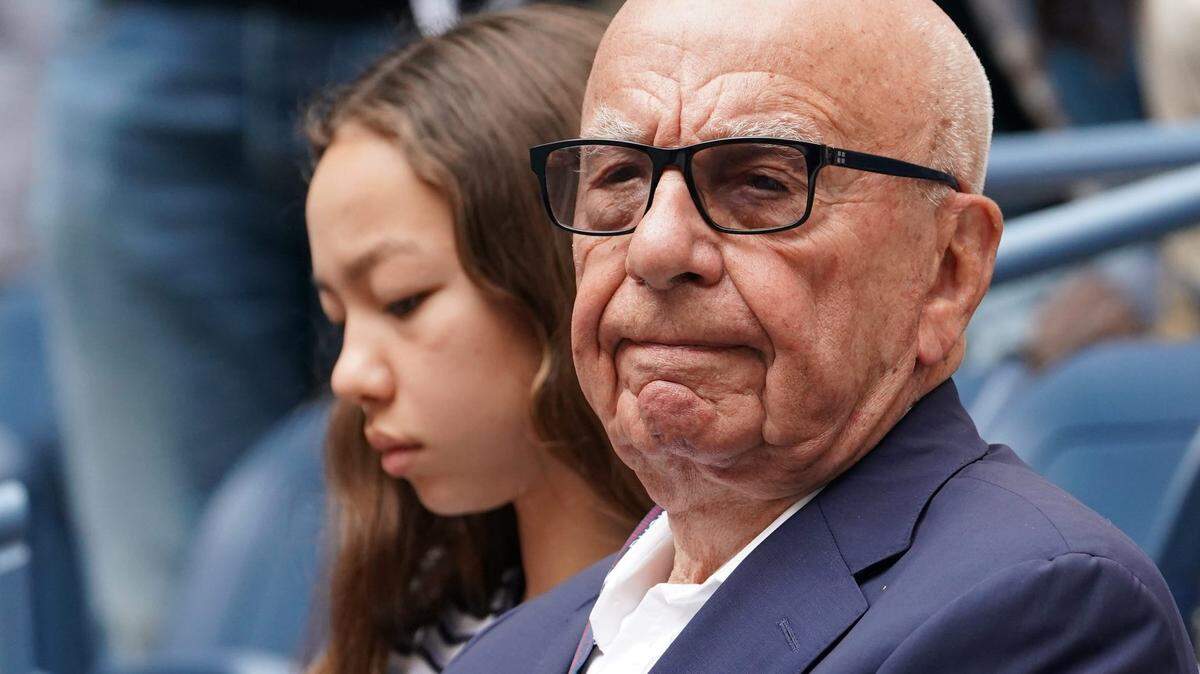
Fox is the Big Kahuna of conservative news. It’s got Rupert Murdoch’s money and an army of lawyers. Now think of the smaller Spanish-language radio stations in Miami.
Florida lawmakers could open a can worms they might not be able to seal again. Let HB 991 and SB 1220 die a quiet death, even though it will be for all the wrong reasons.
BEHIND THE STORY
MOREWhat's an editorial?
Editorials are opinion pieces that reflect the views of the Miami Herald Editorial Board, a group of opinion journalists that operates separately from the Miami Herald newsroom. Miami Herald Editorial Board members are: opinion editor Amy Driscoll and editorial writers Isadora Rangel and Mary Anna Mancuso. Read more by clicking the arrow in the upper right.
What's the difference between an op-ed and a column?
How does the Miami Herald Editorial Board decide what to write about?
The Editorial Board, made up of experienced opinion journalists, primarily addresses local and state issues that affect South Florida residents. Each board member has an area of focus, such as education, COVID or local government policy. Board members meet daily and bring up an array of topics for discussion. Once a topic is fully discussed, board members will further report the issue, interviewing stakeholders and others involved and affected, so that the board can present the most informed opinion possible. We strive to provide our community with thought leadership that advocates for policies and priorities that strengthen our communities. Our editorials promote social justice, fairness in economic, educational and social opportunities and an end to systemic racism and inequality. The Editorial Board is separate from the reporters and editors of the Miami Herald newsroom.
How can I contribute to the Miami Herald Opinion section?
The Editorial Board accepts op-ed submissions of 650-700 words from community members who want to argue a specific viewpoint or idea that is relevant to our area. You can email an op-ed submission to oped@miamiherald.com. We also accept 150-word letters to the editor from readers who want to offer their points of view on current issues. For more information on how to submit a letter, go here.