
Florida lawmakers, in true ‘ideology patrol’ fashion, want more control over classrooms | Opinion
It’s the biggest irony of a state that calls itself “free.”
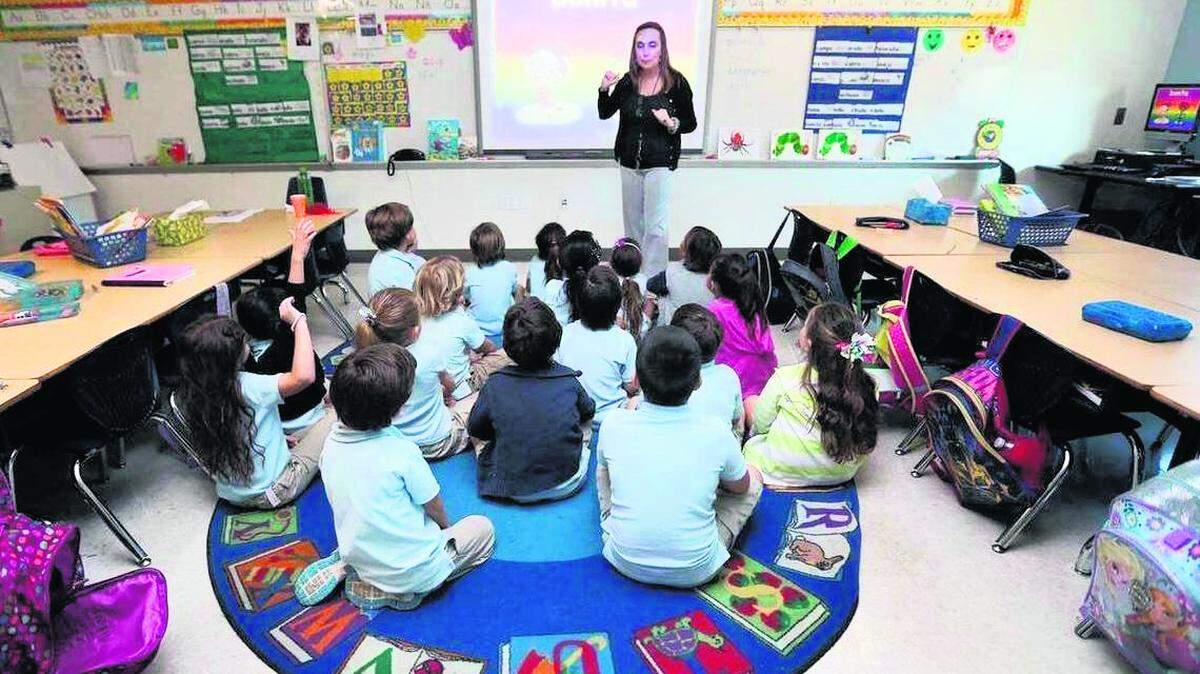
A basic tenet of America’s political system — one that conservatives, more than liberals, have staunchly defended — is that the government closest to the people is best. But the Florida Legislature, egged on by Gov. DeSantis, is poised to further constrain locally elected school boards from making decisions about books, what teachers can say in the classroom and even school bathroom rules.
If the Republican-led House and Senate get their way, by the time they are done local education will be a mere arm of state leaders who act like the ideological patrol of Florida’s K-12 system. Meanwhile, there’s not enough talk about real issues like post-pandemic learning losses and the shortage of teachers. In fact, lawmakers might make the latter even worse with a union-busting bill that could de-certify many teacher unions in charge of negotiating salaries and working conditions.
So strong is the Legislature’s desire to turn K-12 into a field of culture battles, they are seeking to turn school board races, which are currently nonpartisan, into partisan contests. This would play right into DeSantis’ hands. He’s said that his goal is to elect candidates of his choosing in 2024 local races, including for the Miami-Dade County School Board.
This move would exclude millions of Floridians who aren’t registered with either major party — and who outnumber Republican voters in Miami-Dade — from voting for their board member in primaries. The saving grace is that this measure would only go into effect if at least 60% of voters in the state approve it as an amendment to the Florida Constitution.
Another bill would relax residency requirements for school board candidates. They would not have to live in the district they want to represent until taking office. This isn’t unheard of in Florida. The same requirement applies to sheriffs and other constitutional officers. But it would allow any outsider with money and backing from, say, a powerful governor to run to represent communities they have no connection to.
To be fair, there are some sound proposals making their way forward at the Capitol. Lawmakers want shorter, eight-year term limits for school board members, down from 12 years. There’s a bill to require instruction on the effects of social media on young people and to ban the use of a school’s internet for social media, unless it’s for education purposes. Senate Bill 52 is ready for a Senate vote and also would ban cellphones in class.
But lawmakers are too busy fighting gender pronouns, sex education and transgender youth.
SB 1674 would make it a second-degree misdemeanor for adults to use a bathroom or “changing facility” that doesn’t align with their sex assigned at birth. The bill also would require districts to come up with “disciplinary procedures” to deal with students who violate the ban, further stigmatizing trans kids who already are often the target of ridicule.
Republican lawmakers want to prohibit teachers and staff from calling students by pronouns that differ from those given to them at birth, even when a parent is OK with it. SB 1320 expands a law that bans instruction on sexual orientation and gender identity — known by critics as “Don’t say gay” — through the eighth grade.
That same bill would also give outsized power to a single person to, at least temporarily, ban books from schools. Districts would be required to pull books that have been challenged while a complaint is being heard. It allows not just parents, but any county resident, to file an objection, likely resulting in blanket attempts by activists to ban books about LGBTQ issues and race.
SB 1320 also would take away school boards’ power to choose textbooks for sexual and reproductive health classes. Instead, that would be up to the Department of Education, which reports to the governor.
Current law already requires districts to teach that abstinence is the “certain way” to prevent pregnancy and sexually transmitted diseases and about “the benefits of monogamous heterosexual marriage.” But lawmakers seem to think we still cannot trust the people we elected to run our schools with basic decisions about curriculum.
We’re not fools. This isn’t simply a traditional power grab by Tallahassee. This is an attempt to ensure only certain voices are allowed in public education. Parents and educators who think differently be damned.
BEHIND THE STORY
MOREWhat's an editorial?
Editorials are opinion pieces that reflect the views of the Miami Herald Editorial Board, a group of opinion journalists that operates separately from the Miami Herald newsroom. Miami Herald Editorial Board members are: opinion editor Amy Driscoll and editorial writers Isadora Rangel and Mary Anna Mancuso. Read more by clicking the arrow in the upper right.
What's the difference between an op-ed and a column?
How does the Miami Herald Editorial Board decide what to write about?
The Editorial Board, made up of experienced opinion journalists, primarily addresses local and state issues that affect South Florida residents. Each board member has an area of focus, such as education, COVID or local government policy. Board members meet daily and bring up an array of topics for discussion. Once a topic is fully discussed, board members will further report the issue, interviewing stakeholders and others involved and affected, so that the board can present the most informed opinion possible. We strive to provide our community with thought leadership that advocates for policies and priorities that strengthen our communities. Our editorials promote social justice, fairness in economic, educational and social opportunities and an end to systemic racism and inequality. The Editorial Board is separate from the reporters and editors of the Miami Herald newsroom.
How can I contribute to the Miami Herald Opinion section?
The Editorial Board accepts op-ed submissions of 650-700 words from community members who want to argue a specific viewpoint or idea that is relevant to our area. You can email an op-ed submission to oped@miamiherald.com. We also accept 150-word letters to the editor from readers who want to offer their points of view on current issues. For more information on how to submit a letter, go here.
This story was originally published April 5, 2023 at 1:37 PM.