
Exiles knew this would happen if Elián González grew up in Cuba, instead of Miami | Opinion
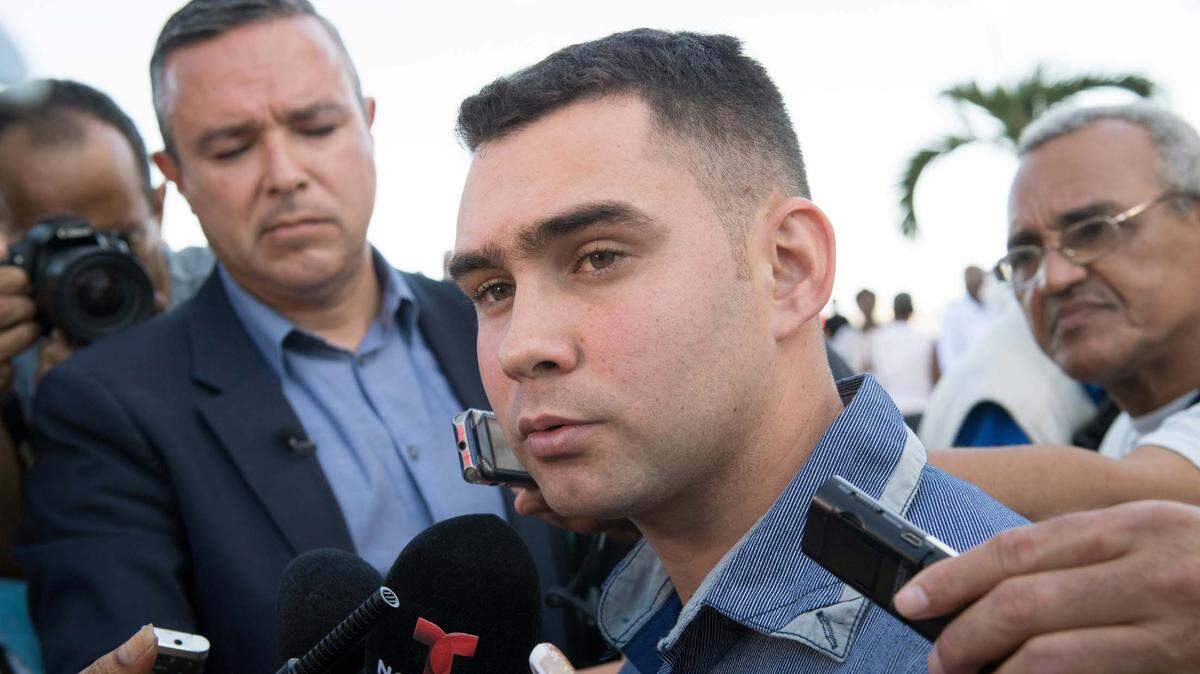
Last week, news reached Miami that Elián González — yes, that Elián González — was to be elected to the Cuban Parliament on March 26. At 29, he is a show pony for Cuba, just as many exiles feared.
Many historic Cuban exiles in Miami looked away from this news with heavy hearts.
In 1999, they fought in support of 5-year-old Elián, whose mother took him on a dilapidated boat pointed toward freedom. She died on the sea journey along with other adults, and Elián was found alone by two fishermen floating off the waters of Fort Lauderdale on Thanksgiving Day.
Many saw Elisabet Brotons’ decision to climb on a boat in Cuba and take her son, Elián, to freedom as her wish for him to grow up in America. Many exiles wanted to honor that wish. Others thought the boy should be with his father in Cuba, where thousands flee its repression annually.
A protracted and highly emotional international custody battle between the boy’s father on the island and his relatives in Miami followed, riveting South Florida, the nation and the world.
After several months of high-level negotiations, street-level protests and so much division in the community, Fidel Castro got his way.
The tortured legal saga ended with a federal raid on Easter Sunday 2000 at the home of Elián’s Little Havana relatives, yet another painful memory for many exiles. The raid was approved by then-President Bill Clinton and late U.S. Attorney Janet Reno, who hailed from Miami.
Elián flew back to Cuba with his father.
Now married and father of a 2-year-old girl, González said in an interview with the Juventud Rebelde newspaper that he had been encouraged by the Castro brothers to enter politics and thought Fidel Castro “would be proud” of his nomination, the Miami Herald reported.
Gonzalez’s election was all but guaranteed, the usual case in Cuba’s Communist Party system.
The elections for Cuba’s National Assembly had 470 candidates, including Gonzalez, running for — you guessed it — 470 open seats. There were no opposition challengers and no campaigning; voters essentially endorsed the government’s slate of candidates.
The fight to claim Elián Gonzalez and give him a life in America was the last great battle between Castro, U.S. “imperialism” and Miami exiles. And the dictator won.
This story was originally published March 25, 2023 at 10:39 AM.