
What did DeSantis do at Guantánamo? If he wants to be president, voters need to know | Opinion
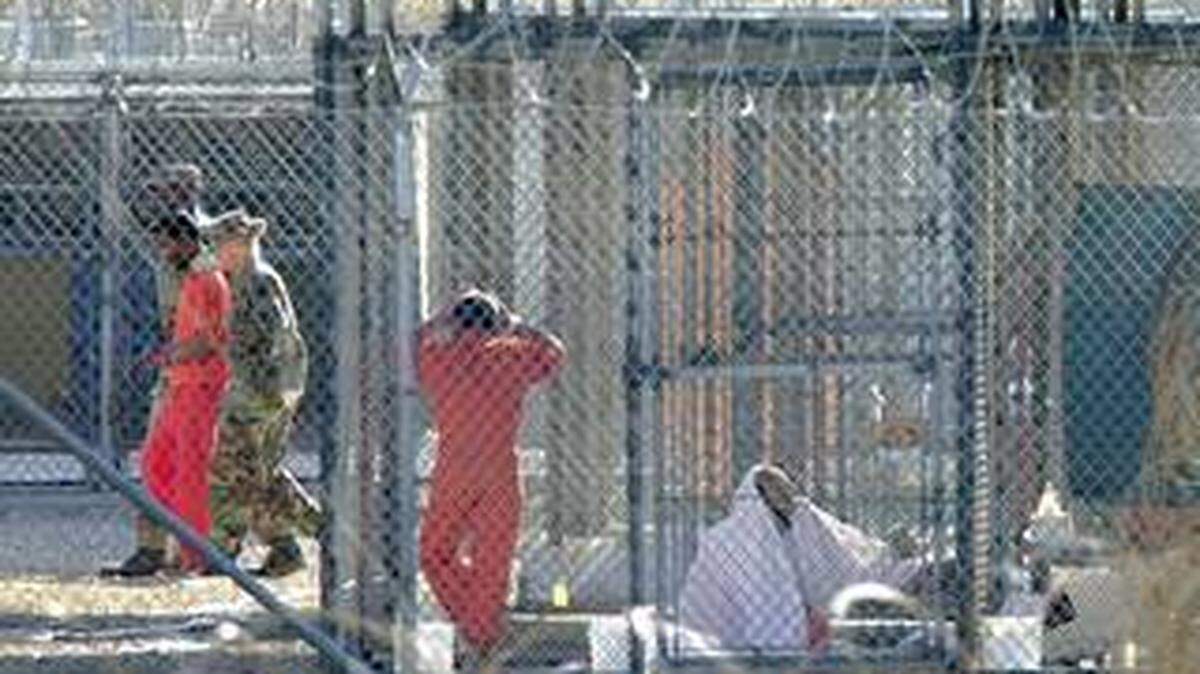
The more we hear about Gov. Ron DeSantis’ time as a Navy lawyer in Guantánamo in the spring of 2006, the more questions we have — and the more we think voters need to know.
Here is a man who spends an extraordinary amount of time fighting the so-called war against woke, but how about the war on terrorism, the one for which he had a front-row seat? He has barely addressed it. If he’s going to run for president, well, then, yeah, we need to know exactly what he did as 27-year-old lieutenant at the notorious U.S. military detention facility in Cuba.
DeSantis served at Joint Task Force Guantánamo at a turbulent time, no doubt about it. There was a widespread hunger strike, three men found dead in their cells in one hour on the same day, rising criticism from around the world about this no-man’s-land camp and new transfers of high-value detainees from the CIA. Hunger-striking detainees were being force-fed by strapping them into chairs, something the U.N. Human Rights Commission described as torture.
It was, as McClatchy reported this week in an extensive story about DeSantis’ role, “a legal and ethical gray zone.”
DeSantis hasn’t said much about his experience — even in his new book, where presumably he could have laid to rest any concerns. He, instead, skims over his work there by calling it “temporary-duty-travel stints to the Guantánamo terrorist detention camp in Cuba.” He is more forthcoming about his time in Iraq. He didn’t respond to questions from a McClatchy reporter about Guantánamo.
But the story, which includes interviews with more than a dozen former Navy officers and personnel, defense attorneys and former detainees, indicates he would have had face-to-face contact with the detainees. According to military records obtained by McClatchy, he was there for at least six months, between March 2006 and January 2007.
One former detainee, Ahmed Abdel Aziz, who was released after 13 years without being charged with a crime, told McClatchy that he recognized DeSantis after being shown a photo and that DeSantis witnessed and received complaints about forced feeding sessions. He said DeSantis “aligned with the bad people in the end.”
We’re not saying voters should simply take the ex-detainee’s word for it, but that certainly raises questions about DeSantis’ responsibilities during those six months.
DeSantis apparently came away from his time in Cuba convinced that the camp should remain open, that the people there were terrorists and needed to be detained — even though the Republican president back then, George W. Bush, released a large number of detainees, many of whom had been held for years without charges. Bush even said it should be “a goal of the nation to shut down Guantánamo.” Today, the facility continues to cost U.S. taxpayers $540 million a year.
It’s clear that Florida’s governor is aiming for the White House, where, if he won the presidency, he would be in charge of the country’s armed forces. If he hopes to be considered commander-in-chief material, though, voters deserve a full and clear accounting of what he did in Guantánamo.
BEHIND THE STORY
MOREWhat's an editorial?
Editorials are opinion pieces that reflect the views of the Miami Herald Editorial Board, a group of opinion journalists that operates separately from the Miami Herald newsroom. Miami Herald Editorial Board members are: opinion editor Amy Driscoll and editorial writers Isadora Rangel and Mary Anna Mancuso. Read more by clicking the arrow in the upper right.
What's the difference between an op-ed and a column?
How does the Miami Herald Editorial Board decide what to write about?
The Editorial Board, made up of experienced opinion journalists, primarily addresses local and state issues that affect South Florida residents. Each board member has an area of focus, such as education, COVID or local government policy. Board members meet daily and bring up an array of topics for discussion. Once a topic is fully discussed, board members will further report the issue, interviewing stakeholders and others involved and affected, so that the board can present the most informed opinion possible. We strive to provide our community with thought leadership that advocates for policies and priorities that strengthen our communities. Our editorials promote social justice, fairness in economic, educational and social opportunities and an end to systemic racism and inequality. The Editorial Board is separate from the reporters and editors of the Miami Herald newsroom.
How can I contribute to the Miami Herald Opinion section?
The Editorial Board accepts op-ed submissions of 650-700 words from community members who want to argue a specific viewpoint or idea that is relevant to our area. You can email an op-ed submission to oped@miamiherald.com. We also accept 150-word letters to the editor from readers who want to offer their points of view on current issues. For more information on how to submit a letter, go here.
This story was originally published March 7, 2023 at 7:57 PM.