
Feel the heat? That’s Florida Gov. DeSantis going big in defense of gas stoves. Really . . . | Opinion
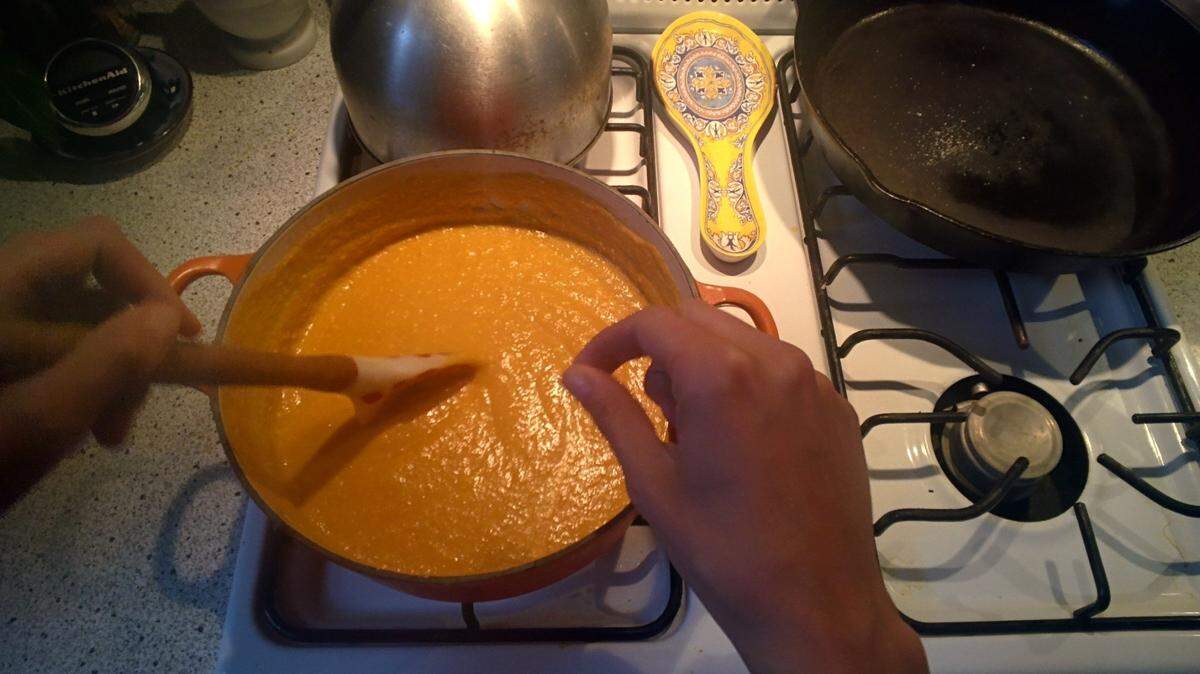
Only 8% of Florida households — about 630,000 homes — rely on gas stoves, according to federal data. So it’s safe to say that the Sunshine State has been doing just fine with electric cooking appliances.
But, now, giving sales-tax exemptions for the purchase of gas stoves is among the “really, really big things” Gov. Ron DeSantis says he’s doing with his $114.8 billion state budget for 2023-24 proposed this week. Gas stoves are apparently so crucial for Florida families that they rank right next to baby diapers and clothing, strollers, cribs and pet medications. These are the expenses that truly add up for families and, rightly so, also would be exempted from sales taxes under the governor’s spending plan.
Is the governor a foodie and cooking snob? Are Floridians clamoring for gas stoves and burning their electric cooking appliances in protest?
Well, no, but gas stoves have become a rallying cry for conservatives, the new emblem in their fight against “libs,” the woke mob, tree huggers and big-government federal bureaucrats who are allegedly cooking up a ploy to confiscate this unexpected symbol of American freedom.
“They want your gas stove, and we’re not going to let that happen,” DeSantis said Wednesday. Puh-leeze!
Still, this all began with a little bit of help from federal regulators themselves, a foot-in-the-mouth moment by the commissioner of the U.S. Consumer Product Safety Commission. In an interview with Bloomberg, Richard Trumka Jr. suggested — in light of research on the links between gas stoves and health issues — his agency could take some regulatory action and that, “Products that can’t be made safe can be banned.” He later walked that back, saying any regulation would only apply to new products. The CPSC chair also clarified there are no bans are in sight, and even President Biden weighed in to say his administration doesn’t support a gas-stove ban.
Too late for clarifications, though. Gas stoves, unlike COVID-19 vaccines, are a must-get for DeSantis all of a sudden.
Research over the past half century has shown that the gas emitted from stoves can be harmful to people and may be linked to childhood asthma. A study published last year in the Environmental Science & Technology journal found that cooking without proper ventilation can cause levels of nitrogen dioxide to surpass national standards.
If you don’t mind the potential health risks, gas stoves do make a mean beef stew. They make an even better platform for grandstanding.
BEHIND THE STORY
MOREWhat's an editorial?
Editorials are opinion pieces that reflect the views of the Miami Herald Editorial Board, a group of opinion journalists that operates separately from the Miami Herald newsroom. Miami Herald Editorial Board members are: opinion editor Amy Driscoll and editorial writers Isadora Rangel and Mary Anna Mancuso. Read more by clicking the arrow in the upper right.
What's the difference between an op-ed and a column?
How does the Miami Herald Editorial Board decide what to write about?
The Editorial Board, made up of experienced opinion journalists, primarily addresses local and state issues that affect South Florida residents. Each board member has an area of focus, such as education, COVID or local government policy. Board members meet daily and bring up an array of topics for discussion. Once a topic is fully discussed, board members will further report the issue, interviewing stakeholders and others involved and affected, so that the board can present the most informed opinion possible. We strive to provide our community with thought leadership that advocates for policies and priorities that strengthen our communities. Our editorials promote social justice, fairness in economic, educational and social opportunities and an end to systemic racism and inequality. The Editorial Board is separate from the reporters and editors of the Miami Herald newsroom.
How can I contribute to the Miami Herald Opinion section?
The Editorial Board accepts op-ed submissions of 650-700 words from community members who want to argue a specific viewpoint or idea that is relevant to our area. You can email an op-ed submission to oped@miamiherald.com. We also accept 150-word letters to the editor from readers who want to offer their points of view on current issues. For more information on how to submit a letter, go here.