
No training, no license needed to carry gun. It’s only Florida — what could go wrong? | Opinion
In Florida, you need a license to drive a car, to cut someone’s hair or do their nails.
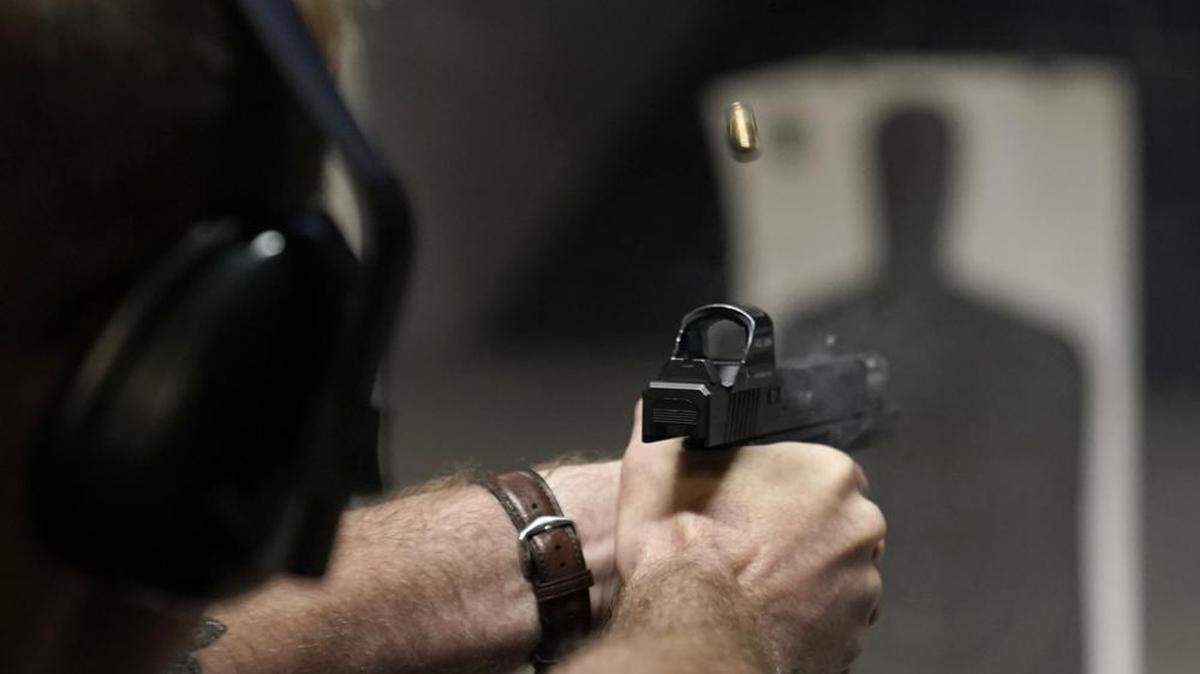
But soon, to carry a concealed firearm in public, you might need zero training and no knowledge at all of how to properly handle one. The latest proposal advancing in the Florida Legislature would do away with required concealed weapon licenses. Called “permitless” carry — or by the easier-to-sell name “constitutional carry” — this proposal, backed by Gov. DeSantis, is best described as the Wild West way of doing gun rights.
Florida’s permitting system has worked well without any major mishaps, even when the state’s licensing agency was run by a Democrat, former Agriculture Commissioner Nikki Fried. Floridians’ Second Amendment rights haven’t been trampled by the requirement that you must jump through a few hoops to carry your weapon among your fellow citizens. Florida’s concealed-carry laws are nothing like New York’s, for example, which the U.S. Supreme Court last year ruled violated the Constitution by requiring applicants to demonstrate a specific need to carry a gun.
Urban perils
There’s no need to change Florida law, so why do it other than to give Florida’s political class a chance to slap the “free state of Florida” on a piece of legislation and placate gun-toting Republicans?
If House Bill 543 becomes law, perhaps not much will change in rural North Florida, but the stakes are higher in urban South Florida. People here have been shot during altercations over dog poop and parking at a car wash. Not to mention the perennial road rage shooting, such as the one in Fort Lauderdale that killed a 23-year-old teacher in November.
It’s common sense that more guns on the streets present a challenge for law enforcement, but the Florida Sheriffs Association has rallied in support of this measure. FSA President and Hernando County Sheriff Al Nienhuis stood alongside the Florida House speaker during a Monday news conference.
In 2016, the organization fought against legislation to allow open carry, the visible display of a firearm by a concealed-weapons permit holder. Back then, most sheriffs said letting people walk in public toting their firearms would make it harder for law enforcement to do its job. In 2023, politics has become more tribal, and straying from hard-right principles is less tolerated in Florida government.
It defies reason to say that permitless carry won’t make it harder for police to do their jobs. It will become harder for them to determine if someone without a license should be carrying a gun. Felons, people with a record of drug abuse, two or more DUI convictions or who have been committed to a mental institution, for example, cannot carry a concealed weapon in Florida.
Responsible gun owners are already doing the right thing by getting a concealed-carry license. They currently must pass a background check, provide fingerprints, submit a photo and proof of completing a training course. Their instructor must keep a record to attest that they “observed the student safely handle and discharge the firearm,” Florida law states. We can argue over whether that training requirement is enough, but it ensures, at a minimum, someone knows the basics of handling a deadly weapon.
A sheriff objects
Not all law enforcement officers are behind this proposal. Orange County Sheriff John Mina, former chief of the Orlando Police Department, wrote a column in the Orlando Sentinel arguing that permitless carry would make the job of his deputies “exponentially harder.”
“I have patrolled the streets here in Orange County. I have walked a beat in downtown Orlando as the bars and nightclubs let out at 2 a.m. Anyone who has done the same would tell you that allowing people to carry guns openly, or without a permit, is a recipe for disaster,” Mina wrote.
“Passing a permitless carry law would open the door to more situations where someone fired shots because they ‘felt threatened’ by the mere presence of someone else with a gun.”
David Magnusson, former El Portal police chief and Miami Police major, agrees with Mina. He told the Herald Editorial Board that a lot more people will carry guns simply because they can.
Carrying guns in public might seem like freedom. But case after case in South Florida shows that the “good guy with a gun” myth is little but an effective selling point.
We simply can’t be as sanguine about this dangerous proposal as Sheriff Nienhuis was at Monday’s news conference: “We can assume that our citizens are gonna do the right thing when it comes to carrying and bearing arms.”
If only Republicans afforded the same trust to women and their reproductive rights.
BEHIND THE STORY
MOREWhat's an editorial?
Editorials are opinion pieces that reflect the views of the Miami Herald Editorial Board, a group of opinion journalists that operates separately from the Miami Herald newsroom. Miami Herald Editorial Board members are: opinion editor Amy Driscoll and editorial writers Isadora Rangel and Mary Anna Mancuso. Read more by clicking the arrow in the upper right.
What's the difference between an op-ed and a column?
How does the Miami Herald Editorial Board decide what to write about?
The Editorial Board, made up of experienced opinion journalists, primarily addresses local and state issues that affect South Florida residents. Each board member has an area of focus, such as education, COVID or local government policy. Board members meet daily and bring up an array of topics for discussion. Once a topic is fully discussed, board members will further report the issue, interviewing stakeholders and others involved and affected, so that the board can present the most informed opinion possible. We strive to provide our community with thought leadership that advocates for policies and priorities that strengthen our communities. Our editorials promote social justice, fairness in economic, educational and social opportunities and an end to systemic racism and inequality. The Editorial Board is separate from the reporters and editors of the Miami Herald newsroom.
How can I contribute to the Miami Herald Opinion section?
The Editorial Board accepts op-ed submissions of 650-700 words from community members who want to argue a specific viewpoint or idea that is relevant to our area. You can email an op-ed submission to oped@miamiherald.com. We also accept 150-word letters to the editor from readers who want to offer their points of view on current issues. For more information on how to submit a letter, go here.
This story was originally published February 1, 2023 at 6:37 PM.