
Trump dines with white supremacist. Does he condemn his views? What do you think? | Opinion
Perhaps it’s a mere coincidence that Donald Trump, white nationalists and far-right extremists find themselves so often mentioned in the same sentence.
But we don’t think so.
The former president — poor guy — claims to know nothing about them. In 2016, Trump feigned ignorance about former Ku Klux Klan grand wizard David Duke, who endorsed him. Trump later, and begrudgingly, disavowed him. In 2020, Trump acted like he knew nothing about groups like the Proud Boys during a debate before telling them to “Stand back and stand by.”
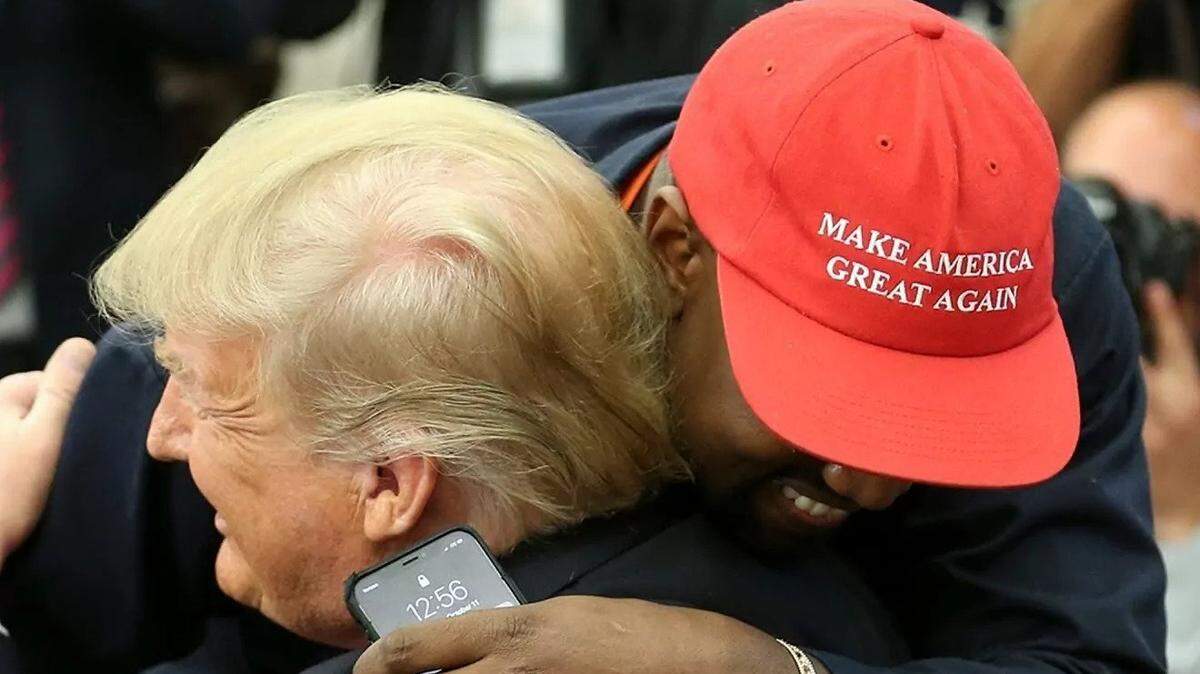
After word came out that he dined with a known white supremacist at his Mar-a-Lago Florida estate last week, Trump played the ignorance card again. Nick Fuentes is a Holocaust denier who once joked about comparing Jews burned in concentration camps to cookies in an oven. Trump swears he had no idea who Fuentes is and that he showed up unexpectedly as a guest of Ye, the rapper formerly known as Kanye West.
“This past week, Kanye West called me to have dinner at Mar-a-Lago. Shortly thereafter, he unexpectedly showed up with three of his friends, whom I knew nothing about,” Trump posted on his Truth Social platform on Friday.
Apparently the Florida man who wants to be president again sees no problem in hosting Ye after his anti-Semitic social-media posts caused a firestorm. And, apparently, Trump and the Secret Service have no idea who comes in and out of the estate where he kept hundreds of classified documents after leaving the White House.
Trump might not be a white supremacist, but white supremacists certainly like him. And Trump likes to be loved. It doesn’t matter who’s fawning over him: neo-Nazis or extremists like the Proud Boys and the Oath Keepers, who helped stage the Jan. 6 Capitol attack. Trump’s chronic reluctance to directly disavow hate and bigotry keeps such groups closer than arm’s length and ready to unleash violence on his behalf.
Let’s not forget Trump was elected in 2016 after proposing to ban Muslims from entering the country. He was the president who told a group of minority U.S. congresswomen (all U.S. citizens) to “go back” to their countries — to the delight of his loyal supporters.
Notice how in his post-dinner statement he not once condemned Fuentes’ views, which he could have easily Googled. In fact, according to reporting by CNN, Trump declared he “liked” Fuentes during their encounter.
There’s been a lot of buzz about the GOP widening its tent to attract more voters of color. But that tent also admits people with extreme views that Trump has helped, albeit not by himself, normalize. Trump didn’t invent xenophobia or racism, but he’s made too many Americans numb to what, until a few years ago, was hidden in obscure internet chat rooms and deemed too ugly for public consumption.
Trump might have been a symptom, more than the cause, of tensions brewing in the country, but he also exacerbated them. He gave us U.S. Reps. Marjorie Taylor Greene, who attended Fuentes’ conference in Orlando this year, and Lauren Boebert. He gave us a slew of election deniers who ran in this year’s midterms. Luckily, many of them lost.
Trump has only succeeded because of complacency, coddling and outright adoration from Republican leaders. They seem to have accepted those extreme elements as just the cost of doing business. What else can explain the big shrug from the Miami-Dade County Republican Party after The New York Times reported in June that Proud Boys held leadership positions in the organization?
Some Republicans, including former Vice President Mike Pence, condemned Trump’s dinner with Fuentes. It would be nice if the days of rationalizing Trump’s actions are over for the GOP. But we have seen Republicans scramble to condemn a Trump remark or action, only to coalesce around him again.
Trump has given enough proof of his willingness to flirt with, if not fully embrace, extremism and bigotry. As the saying goes, when people show you who they are, believe them the first time. In Trump’s case, we’ve believed him from the start.
BEHIND THE STORY
MOREWhat's an editorial?
Editorials are opinion pieces that reflect the views of the Miami Herald Editorial Board, a group of opinion journalists that operates separately from the Miami Herald newsroom. Miami Herald Editorial Board members are: opinion editor Amy Driscoll and editorial writers Isadora Rangel and Mary Anna Mancuso. Read more by clicking the arrow in the upper right.
What's the difference between an op-ed and a column?
How does the Miami Herald Editorial Board decide what to write about?
The Editorial Board, made up of experienced opinion journalists, primarily addresses local and state issues that affect South Florida residents. Each board member has an area of focus, such as education, COVID or local government policy. Board members meet daily and bring up an array of topics for discussion. Once a topic is fully discussed, board members will further report the issue, interviewing stakeholders and others involved and affected, so that the board can present the most informed opinion possible. We strive to provide our community with thought leadership that advocates for policies and priorities that strengthen our communities. Our editorials promote social justice, fairness in economic, educational and social opportunities and an end to systemic racism and inequality. The Editorial Board is separate from the reporters and editors of the Miami Herald newsroom.
How can I contribute to the Miami Herald Opinion section?
The Editorial Board accepts op-ed submissions of 650-700 words from community members who want to argue a specific viewpoint or idea that is relevant to our area. You can email an op-ed submission to oped@miamiherald.com. We also accept 150-word letters to the editor from readers who want to offer their points of view on current issues. For more information on how to submit a letter, go here.