
Delay in Coast Guard call for Florida Keys boat crash victims offers a hard lesson | Editorial
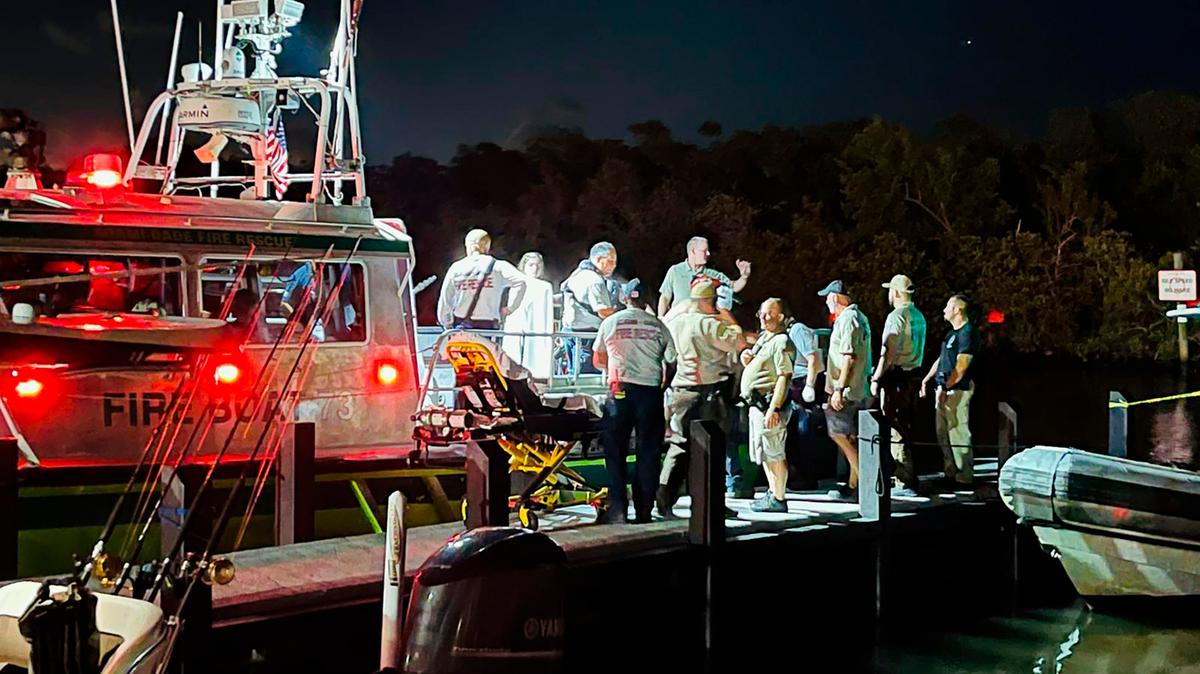
The dreadful Labor Day weekend boat crash that threw 14 people into the water and took the life of a Miami teenager, injuring others, wasn’t communicated to the Coast Guard for about 20 minutes, precious time that was lost in transmission.
As the Miami Herald reported, the delay apparently was the result of people calling 911 on their cellphones rather than using their marine radios on channel 16, the international channel for boats in distress. It goes directly to the Coast Guard and other boaters in the area who are listening to the frequency.
The 29-foot boat struck a channel marker off the Florida Keys during a birthday celebration boat trip, killing Miami-Dade County high school senior Luciana “Lucy” Fernandez and injuring others on board.
According to an accident report released Tuesday, the boat hit Intracoastal Waterway Marker 15 about 6:30 p.m. Sunday, but the Coast Guard didn’t get a call — saying the vessel was capsized and people were in the water in a shallow area of Biscayne Bay off northern Key Largo — until 6:50 p.m.
Rather than going straight to the Coast Guard, the call was relayed “through a 911 dial system because the initial call was made via cellphone,” according to the Florida Fish and Wildlife Conservation Commission, the lead agency investigating the crash.
A patrol boat from Station Islamorada, closest to the crash — but still more than 30 miles away — was dispatched immediately, arriving at 7:48 p.m.
Nearby boaters did what they could to help. A civilian boater rescued three people from the water at 7 p.m., and other boaters continued to pull survivors from the water. But no private boater is equipped to do what the Coast Guard can in such a deadly situation.
The investigation is continuing, and several of those on board remain hospitalized. It’s too soon to know exactly what happened. But for boaters, one thing is clear already: There’s a reason the Coast Guard urges boaters to have a marine radio on their vessels and to use VHF Channel 16 to call for distress calls at sea.
As Coast Guard spokeswoman Petty Office Nicole Groll told the Herald, “It’s the most reliable means of communication on the water.”
It’s a terrible way to learn the lesson.