
Florida lawmakers want us to forget this sexual harassment case — just like they have | Editorial
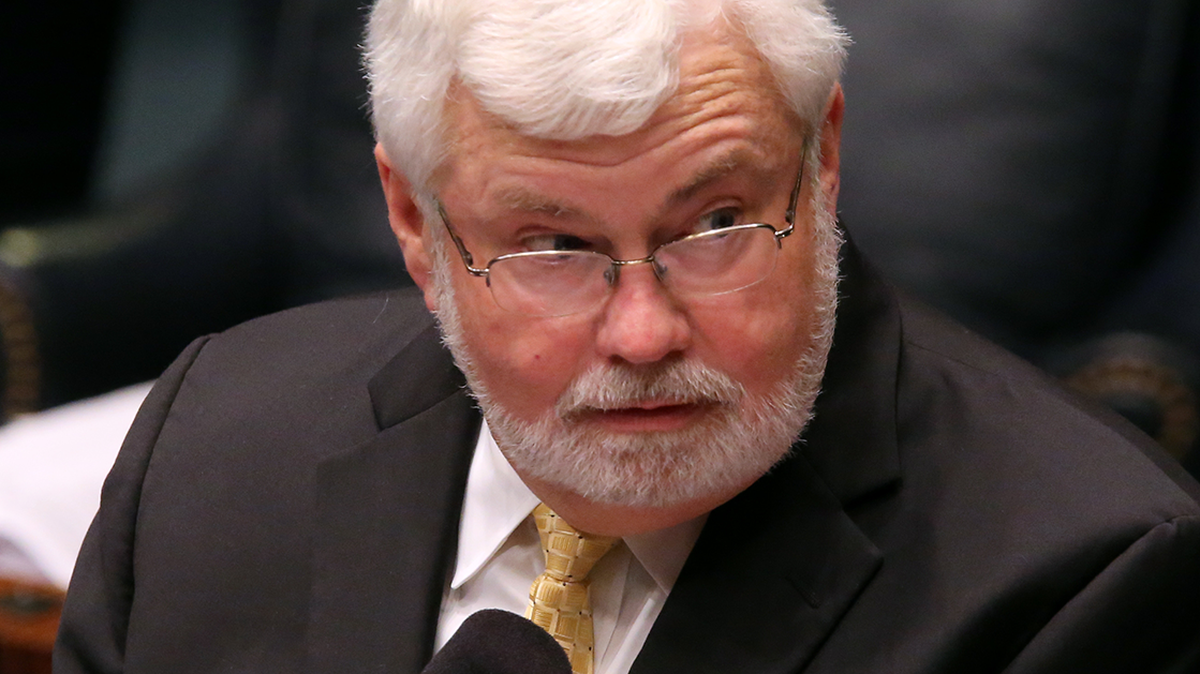
A sexual-harassment case the Florida Legislature would no doubt love to forget resurfaced last week. It came up with the news that Jack Latvala, the former Republican state senator from Clearwater, who resigned in disgrace in 2017 amid the #MeToo movement, has finally reached a proposed settlement with the Florida Commission on Ethics.
Under the proposed agreement, the ex-head of the Senate’s top budget committee and one-time candidate for governor could face a public censure and reprimand, with the matter forwarded to the Senate for possible (but unlikely) further action.
In other words, it’s a slap on the wrist. But it doesn’t have to be. Incoming Senate President Kathleen Passidomo, in addition to determining if there will be any Senate action against Latvala, could also decide to pursue the sexual-harassment reforms lawmakers loudly promised would happen — before letting them die as soon as the spotlight on the issue dimmed.
Latvala, lest we forget, initially faced allegations from six women of inappropriate touching and verbal harassment. The Senate president at the time, Joe Negron, called the allegations “atrocious and horrendous.” The Senate hired a retired judge to investigate. One woman eventually received a $900,000 settlement after a complaint from a high-ranking legislative aide. The whole thing exposed an abusive culture and rocked the Legislature.
Latvala, a fixture on the legislative scene, remained defiant even as he quit the Senate, blaming his political enemies who he said had “latched onto this effort to rid our country of sexual harassment to try to rid the Florida Senate of me.”
And now there’s the proposed ethics commission settlement. It says that even though the commission’s advocate recommended a finding of probable cause on three allegations against Latvala, only one should be upheld. The settlement means he would only be admitting to the part about using “his position as a senator … to engage in sexually or romantic comments, behavior and/or invitations to a female lobbyist.”
The Ethics Commission is set to meet July 22 to consider the case. That’s fine. But the Legislature is free to act on its own. And it should, starting with reconsidering some of the sexual-harassment measures that were on the table back in 2018, including outlawing unwanted sexual advances by legislators, candidates for public office, agency employees and lobbyists, and imposing new penalties on violators. At the time, House Speaker Richard Corcoran called them “the strongest sexual harassment reforms in the nation.”
Florida ended a prominent legislator’s career over sexual harassment — then failed to take any measures to stop it from happening again. Lawmakers may be content to forget all about that tumultuous time — but we’re not.
EDITOR’S NOTE: A previous version of this editorial incorrectly summarized a proposed ethics commission settlement involving former Sen. Jack Latvala. The settlement did not find probable cause on three allegations. The commission’s advocate did recommend a finding of probable cause on three allegations. Under the settlement, only one count would be upheld.
BEHIND THE STORY
MOREWhat's an editorial?
Editorials are opinion pieces that reflect the views of the Miami Herald Editorial Board, a group of opinion journalists that operates separately from the Miami Herald newsroom. Miami Herald Editorial Board members are: opinion editor Amy Driscoll and editorial writers Isadora Rangel and Mary Anna Mancuso. Read more by clicking the arrow in the upper right.
What's the difference between an op-ed and a column?
How does the Miami Herald Editorial Board decide what to write about?
The Editorial Board, made up of experienced opinion journalists, primarily addresses local and state issues that affect South Florida residents. Each board member has an area of focus, such as education, COVID or local government policy. Board members meet daily and bring up an array of topics for discussion. Once a topic is fully discussed, board members will further report the issue, interviewing stakeholders and others involved and affected, so that the board can present the most informed opinion possible. We strive to provide our community with thought leadership that advocates for policies and priorities that strengthen our communities. Our editorials promote social justice, fairness in economic, educational and social opportunities and an end to systemic racism and inequality. The Editorial Board is separate from the reporters and editors of the Miami Herald newsroom.
How can I contribute to the Miami Herald Opinion section?
The Editorial Board accepts op-ed submissions of 650-700 words from community members who want to argue a specific viewpoint or idea that is relevant to our area. You can email an op-ed submission to oped@miamiherald.com. We also accept 150-word letters to the editor from readers who want to offer their points of view on current issues. For more information on how to submit a letter, go here.
This story was originally published July 11, 2022 at 6:36 PM.