
Journalists in Miami, Mexico, Brazil don’t put their lives on the line to bring you fake news. Take a look | Editorial
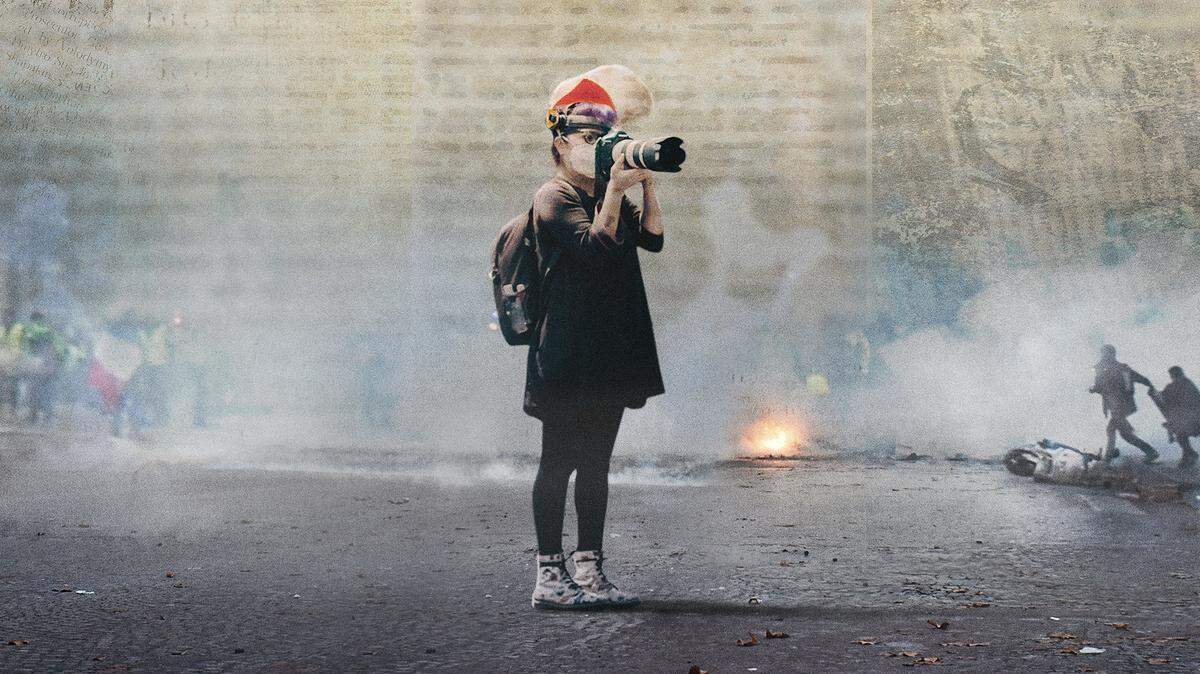
The media — the honest media, the media of integrity, the media that correct their errors — do not traffic in fake news. They are not the enemy.
“Journalists are on the front lines in the battle against misinformation,” photojournalist Carl Juste told the Herald Editorial Board. “We are the first responders.”
Juste has not just had a front seat to history in the making; he has captured it so that readers see just what he sees — in Iraq, in Pakistan, in Afghanistan, in Haiti, and under pressure, sometimes life-threatening pressure. He is one of four journalists featured in “Endangered,” by documentarians Heidi Ewing and Rachel Grady, and available on HBO Max, and we are proud to have him as a colleague.
Juste, along with Patrícia Campos Mello, a writer in Brazil; Mexican photographer Sáshenka Gutiérrez; and Oliver Laughland, a British reporter for The Guardian, each plunge into the rough-and-tumble, unpredictable anger of vociferous Trump supporters in 2020, of women in Mexico fed up with the disappearances and murders of their sisters, mothers and daughters — femicides; and of a self-righteous — disgusting — Brazilian President Jair Bolsonaro, who accuses a dogged journalist of sleeping with sources for information against him.
They get maligned, arrested, sprayed with tear gas or in Juste’s case, wade into hostile crowds armed with only a camera.
“The only defense we have is our craft,” he says.
And the takeaway in each and every case is just how fragile democracies are — and the lengths to which many journalists will go to document it.
“When there is a dictator or a system run by a few, we’re the people they come after,” Juste says. “They come after the artists. They come after the truth tellers. They come after those who cannot defend themselves.”
Fake news? Don’t you believe it. The bullets and tear gas are real. The toe-to-toe hostility is in these journalists’ faces — literally. Take a look at “Endangered,” and see just how real the news can get.
BEHIND THE STORY
MOREWhat's an editorial?
Editorials are opinion pieces that reflect the views of the Miami Herald Editorial Board, a group of opinion journalists that operates separately from the Miami Herald newsroom. Miami Herald Editorial Board members are: opinion editor Amy Driscoll and editorial writers Isadora Rangel and Mary Anna Mancuso. Read more by clicking the arrow in the upper right.
What's the difference between an op-ed and a column?
How does the Miami Herald Editorial Board decide what to write about?
The Editorial Board, made up of experienced opinion journalists, primarily addresses local and state issues that affect South Florida residents. Each board member has an area of focus, such as education, COVID or local government policy. Board members meet daily and bring up an array of topics for discussion. Once a topic is fully discussed, board members will further report the issue, interviewing stakeholders and others involved and affected, so that the board can present the most informed opinion possible. We strive to provide our community with thought leadership that advocates for policies and priorities that strengthen our communities. Our editorials promote social justice, fairness in economic, educational and social opportunities and an end to systemic racism and inequality. The Editorial Board is separate from the reporters and editors of the Miami Herald newsroom.
How can I contribute to the Miami Herald Opinion section?
The Editorial Board accepts op-ed submissions of 650-700 words from community members who want to argue a specific viewpoint or idea that is relevant to our area. You can email an op-ed submission to oped@miamiherald.com. We also accept 150-word letters to the editor from readers who want to offer their points of view on current issues. For more information on how to submit a letter, go here.
This story was originally published June 29, 2022 at 11:01 PM.