
Florida’s flip-flop on COVID vaccines for kids under 5 was the right move — for the wrong reasons | Editorial
Florida’s politicians love parental choice — as long as the choice is the one the politicians decree as “right.”
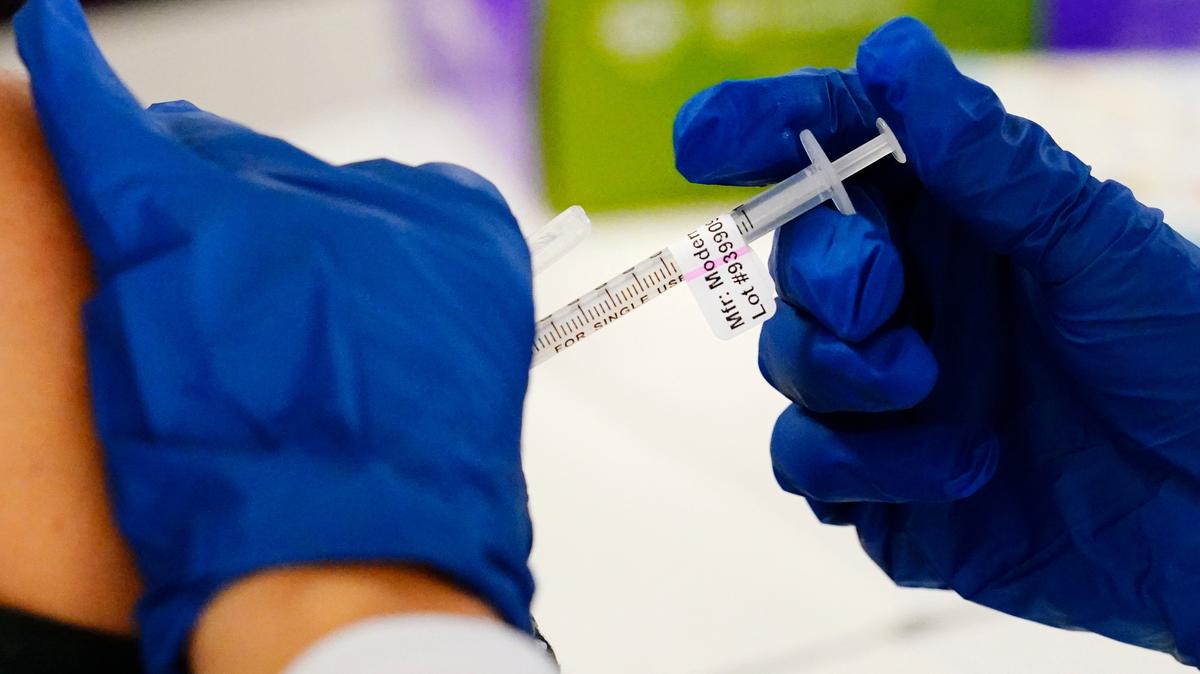
The latest example of this GOP-driven hypocrisy was Florida’s refusal to pre-order COVID vaccines for the state’s youngest children, those under 5. For several days, Florida was the only state in the nation not ordering the vaccines. Forty-nine other states made the federal deadline to pre-order vaccines. Florida was the outlier — and fast becoming a pariah.
On Friday, amid increasing condemnation of our state, the White House announced that Gov. Ron DeSantis had relented. Florida would now allow healthcare providers to order the vaccines.
Hallelujah.
Certainly, many parents will be mightily relieved, as will physicians and hospitals and anyone else who cares about public health. For the sake of the kids, we’re happy.
But none of us should be lulled into thinking that the state came to its senses of its own accord or because of some gradual dawning of responsibility to children. It wasn’t until the public outcry from doctors, parents and a congressional panel on COVID response grew to a roar that even our resolute governor couldn’t ignore.
It was an unconscionable stance from the start, one that smacked of win-at-all-costs politics by a Republican Party that would rather gamble with kids’ lives than appear to cooperate with a federal government led by a Democratic president. DeSantis and his surgeon general, Joseph Ladapo, repeatedly have said the state is officially opposed to COVID vaccines for young children, dismissing the risk to children as minimal.
And when the furor grew after McClatchy broke the news about Florida’s aberrant position, the governor and his administration became more defiant. As late as Thursday, he said in POLITICO that, “We are affirmatively against the COVID vaccine for young kids. These are the people who have zero risk of getting anything.”
Jeremy Redfern, spokesperson for the Florida Department of Health, backed him up, saying in a Miami Herald article that it is “no surprise we chose not to participate in distribution of the COVID-19 vaccine when the department does not recommend it for all children.”
So this was no honest mistake. It was a political calculation that backfired. Perhaps the GOP didn’t foresee outraged doctors, stunned parents and the shocked gaze of people across the country. Maybe putting babies at increased risk against their parents’ will was, finally, a step too far even in the “free state” of Florida.
Let parents, doctors decide
As the most basic common sense tells us, this is a decision that should be made by parents in consultation with their children’s doctors. Florida’s government, by strangling the vaccine supply, would have been making that choice for them. And as usual, parents with resources would have been able to find ways to get the shots. The rest would be out of luck.
It’s not as though the issue of COVID vaccines for children under 5 — the last group in the country to be considered eligible for the shots — hasn’t been studied. It has: The unanimous decision by a Food and Drug Administration committee this week to recommend that the FDA authorize emergency use of the vaccines came only after the FDA delayed approval in February to obtain additional data on how well the vaccines worked after three doses, rather than two. The vaccines caused fewer side effects in younger children than they did in older kids, the studies also found.
And let’s not underplay the actual risk to kids from COVID. No matter what the state says, kids have been dying of COVID — 442 deaths across the country as of last month, for children under 4. Just because the number is small compared to the deaths of adults doesn’t mean we should become numb to the loss of life, or to the potential for long COVID in children.
This time, the right thing happened. The combined voices of doctors, parents and a congressional panel rose up in a chorus so loud it could not be ignored, speaking for the innocent kids who were going to pay the price for the Florida GOP’s political games. Because of them, the youngest children in Florida will have access to potentially lifesaving vaccines.
That is their right. It should never have been in doubt.
BEHIND THE STORY
MOREWhat's an editorial?
Editorials are opinion pieces that reflect the views of the Miami Herald Editorial Board, a group of opinion journalists that operates separately from the Miami Herald newsroom. Miami Herald Editorial Board members are: opinion editor Amy Driscoll and editorial writers Isadora Rangel and Mary Anna Mancuso. Read more by clicking the arrow in the upper right.
What's the difference between an op-ed and a column?
How does the Miami Herald Editorial Board decide what to write about?
The Editorial Board, made up of experienced opinion journalists, primarily addresses local and state issues that affect South Florida residents. Each board member has an area of focus, such as education, COVID or local government policy. Board members meet daily and bring up an array of topics for discussion. Once a topic is fully discussed, board members will further report the issue, interviewing stakeholders and others involved and affected, so that the board can present the most informed opinion possible. We strive to provide our community with thought leadership that advocates for policies and priorities that strengthen our communities. Our editorials promote social justice, fairness in economic, educational and social opportunities and an end to systemic racism and inequality. The Editorial Board is separate from the reporters and editors of the Miami Herald newsroom.
How can I contribute to the Miami Herald Opinion section?
The Editorial Board accepts op-ed submissions of 650-700 words from community members who want to argue a specific viewpoint or idea that is relevant to our area. You can email an op-ed submission to oped@miamiherald.com. We also accept 150-word letters to the editor from readers who want to offer their points of view on current issues. For more information on how to submit a letter, go here.
This story was originally published June 17, 2022 at 3:45 PM.