
Florida’s census undercount is nothing short of robbery, with Trump partly to blame | Editorial
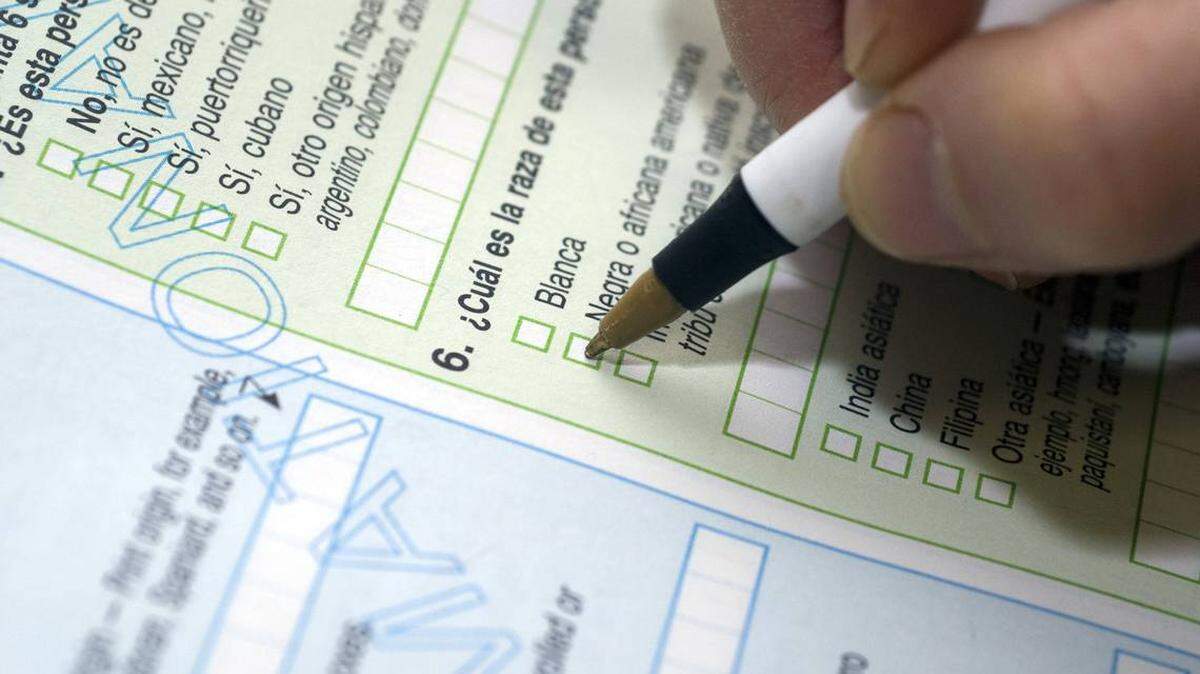
We learned last week that Florida’s population was undercounted in the 2020 U.S. Census, and that may have cost the state untold sums of money from the federal government as well as another seat in the U.S. House of Representatives.
That’s especially infuriating because we were warned this might happen. Yet, we couldn’t stop it. Now all Floridians will have to pay the price for the entire next decade. And much of the blame must be placed on former President Donald Trump and the norm-busting behavior he gloried in.
The census, which is mandated every 10 years under the U.S. Constitution, was conducted in the midst of the pandemic. That was a huge hurdle, all on its own. But then Trump issued a memo in July 2020 directing the commerce secretary to exclude people who are in the United States illegally from being counted. He wanted a citizenship question on the form, something that had never been directly asked before.
He took to Twitter claiming that the census would be “meaningless” without “the all important Citizenship Question.” He blamed opposition on “the Radical Left Democrats.” In the commerce memo, he wrote that he would “not support giving congressional representation to aliens who enter or remain in the country unlawfully,” a statement that — no doubt willfully — misrepresented what the census is for.
The census, which began in 1790, counts how many people are in each state — people who are driving on the roads and using healthcare and sending kids to school. Failing to count those who are in the country without permission doesn’t make them disappear. They remain, and so do their costs to the government. The state just gets less money from the feds to pay for them if they aren’t counted.
Our fair share
Counting them, on the other hand, would ensure that the state gets its fair share of funding. It also would ensure that the state gets full representation in the House, where seats are decided every 10 years based on population. Counting residents without permission to be in Florida is not a blessing to stay. It’s not an endorsement of immigration without restriction. It’s simply an acknowledgment of how many people are here, an acknowledgment of reality, something the ex-president is notoriously bad at.
Even though Trump eventually failed to get the citizenship question included — he was blocked by the Supreme Court — his administration did succeed in ending the national head count early. And his actions surely squelched participation by stoking fears in immigrant communities that filling out the census form would wind up under scrutiny from immigration or law enforcement agents.
Public officials, nonprofits and private businesses in Miami-Dade County, aware that South Florida would pay a particularly high price for this, didn’t sit still. To their credit, they launched public-service campaigns, educational outreach and door-to-door canvassing, much of it aimed at hard-to-reach communities. They tried to do damage control on what was coming out of the White House.
Local Republicans, in a rare break with Trump, were among those sounding the alarm the loudest. Then-Miami-Dade Commissioner Esteban L. Bovo Jr., a Republican, chaired the county’s Census Task Force. He and fellow Republican Commissioner Rebeca Sosa voted for a county resolution opposing the citizenship question. Carlos Gimenez, then Miami-Dade’s Republican mayor who is now in Congress, also said he wanted the census to go forward without asking about citizenship.
Former Congresswoman Ileana Ros-Lehtinen, also a Republican, wrote in a September 2019 opinion piece for the Miami Herald, that the citizenship question would be bad for our community: “Thankfully, the U.S. Justice Department reversed the administration’s decision to add a question regarding one’s citizenship to the Census. The question would have discouraged an accurate count in communities like ours in South Florida.”
Undercounting Florida
But the harm was done. We learned recently that Florida was among six states that were undercounted. The Census’ Post-Enumeration Survey, which measures the accuracy of the count, concluded that the state was undercounted by 3.48%.
Florida is one of the fastest growing states in the nation. It’s also Trump’s adopted home state. But it ended up with just one new congressional seat, rather than the two that many demographics experts had predicted prior to the census’ conclusion.
Did the pandemic contribute to the undercount? Probably. But Trump’s words no doubt played a bigger role, instilling fear and sowing confusion in immigrant communities in Miami-Dade and across the state. He may not have succeeded in getting the citizenship question on the census form, but he succeeded in his main goal: pumping up his anti-immigrant followers.
And that leaves us here, stuck with Florida’s undercount for the next 10 years, while other states get funding and representation we might’ve gotten. It’s nothing short of robbery, and we are the victims.
This story was originally published May 30, 2022 at 3:24 PM.