
Florida’s Gov. DeSantis is a big fan of free speech unless, oh, never mind . . . | Editorial
Once again, Gov. DeSantis gets it wrong. This time, it’s about what free speech is — and isn’t.
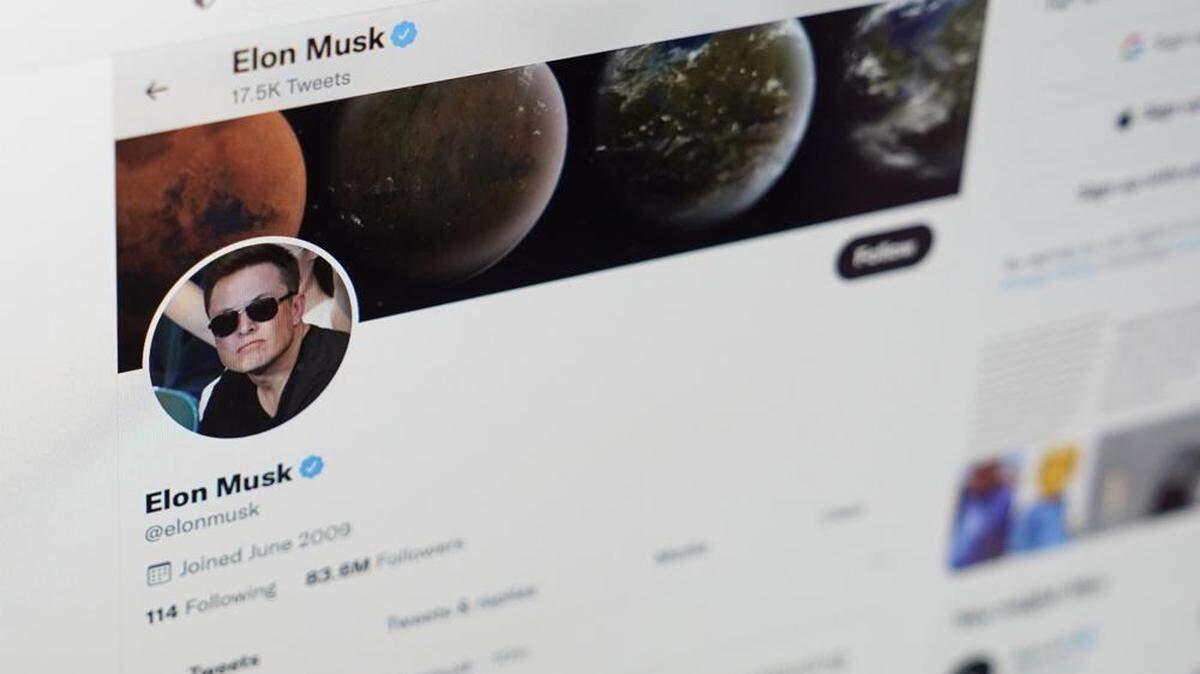
Here’s what he tweeted Monday, in eager anticipation of Tesla billionaire Elon Musk buying Twitter:
“@elonmusk’s offer to buy Twitter is a good deal for shareholders and raises the prospect that the platform will be a place where free speech can thrive, not a tool for narrative enforcement.”
And here’s what Helene Roesch tweeted in response:
“Free speech has not been an issue on Twitter. Free speech is about government not being allowed to interfere with public speaking. It was never meant to keep corporations from setting restrictions on their platforms.”
Roesch — a self-described “wife, mom (two grown sons) and Nana (two grandsons) — gets it.
Here’s the distinction: When three professors argued that their First Amendment rights were violated when the University of Florida prohibited them from testifying in a lawsuit challenging the DeSantis administration’s restrictions on voting by mail — the professors knew it was a raw deal — the judge ordered UF not to enforce its conflict-of-interest policy against faculty or others participating in lawsuits against the state.
Private vs. public
UF is a public university, a government entity, acting here on the wrong side of First Amendment protections.
And here’s what the Freedom Forum Institute — a respected organization that advocates for our First Amendment freedoms through education and action — says about the First Amendment and private business: “A private school can suspend students for criticizing a school policy; private business can fire an employee for expressing political views on the job; and a private media company can refuse to publish or broadcast opinions it disagrees with.”
Twitter is a private entity and, as such, is not obligated to give voice to every single viewpoint every single time. Banning Donald Trump was not a First Amendment violation; it was rare common-sense pushback against misinformation.
We would hope to see more of this from Musk, who paid a cool $44 billion to own the Twitter-verse. He has branded himself a huge proponent of “free speech.” Whether that includes embracing lies and misinformation remains to be seen. We hope not. It serves only those, on any point on the political spectrum, who are sowing chaos. Why would Musk give such dishonest dealers his megaphone?
Twitter — and Facebook — are not legally considered publishers. Section 230 of the Communications Decency Act was designed to free internet companies from the responsibilities of traditional publishers.
Different standard
The argument goes that Twitter, Facebook and other social-media platforms function simply as hosts for opinion and conversation and should not be held responsible for that content. In other words, social media isn’t a news publication, it’s a town square.
But this designation also provides a very big financial upside for the platforms: Section 230 essentially gives them immunity from liability for what they publish. Regular news outlets enjoy no such protection. If Section 230 went away, Twitter would face the same responsibilities as traditional media about what they publish.
The White House, with an eye on the spread of misinformation on those platforms, has been arguing to revoke Section 230, saying that would help prevent the spread of false information on politics and the pandemic.
Unfortunately, misinformation has only buoyed DeSantis’ ship of state. It’s why critical race theory, a grad-school concept not taught in K-12 classrooms, is now an academic villain. It’s why the governor latched onto a surgeon general who refused to disclose during his confirmation hearings whether he was vaccinated against COVID.
And thanks to the governor of this “free state of Florida,” cruise lines couldn’t demand “vaccine passports” to keep passengers safe. Municipal leaders were handcuffed, unable to impose more stringent, community-minded COVID measures. And, of course, the Disney Company reaped the government’s wrath for speaking its mind.
Talk about “narrative enforcement.”
Some would call the governor’s tactics ironic. We call them the actions of a shameless hypocrite.
BEHIND THE STORY
MOREWhat's an editorial?
Editorials are opinion pieces that reflect the views of the Miami Herald Editorial Board, a group of opinion journalists that operates separately from the Miami Herald newsroom. Miami Herald Editorial Board members are: opinion editor Amy Driscoll and editorial writers Isadora Rangel and Mary Anna Mancuso. Read more by clicking the arrow in the upper right.
What's the difference between an op-ed and a column?
How does the Miami Herald Editorial Board decide what to write about?
The Editorial Board, made up of experienced opinion journalists, primarily addresses local and state issues that affect South Florida residents. Each board member has an area of focus, such as education, COVID or local government policy. Board members meet daily and bring up an array of topics for discussion. Once a topic is fully discussed, board members will further report the issue, interviewing stakeholders and others involved and affected, so that the board can present the most informed opinion possible. We strive to provide our community with thought leadership that advocates for policies and priorities that strengthen our communities. Our editorials promote social justice, fairness in economic, educational and social opportunities and an end to systemic racism and inequality. The Editorial Board is separate from the reporters and editors of the Miami Herald newsroom.
How can I contribute to the Miami Herald Opinion section?
The Editorial Board accepts op-ed submissions of 650-700 words from community members who want to argue a specific viewpoint or idea that is relevant to our area. You can email an op-ed submission to oped@miamiherald.com. We also accept 150-word letters to the editor from readers who want to offer their points of view on current issues. For more information on how to submit a letter, go here.
This story was originally published April 27, 2022 at 6:00 AM.