
It shouldn’t take us a year to find out why another child died under DCF’s watch | Editorial
Has the Florida Department of Children and Families learned from past mistakes?
In 2014, the Herald series “Innocents Lost” documented how the agency allowed vulnerable children to slip through the cracks and under-counted how many died because of abuse or neglect.
Yet again — eight years later — DCF is drawing attention for not preventing a child’s death and its veil of secrecy.
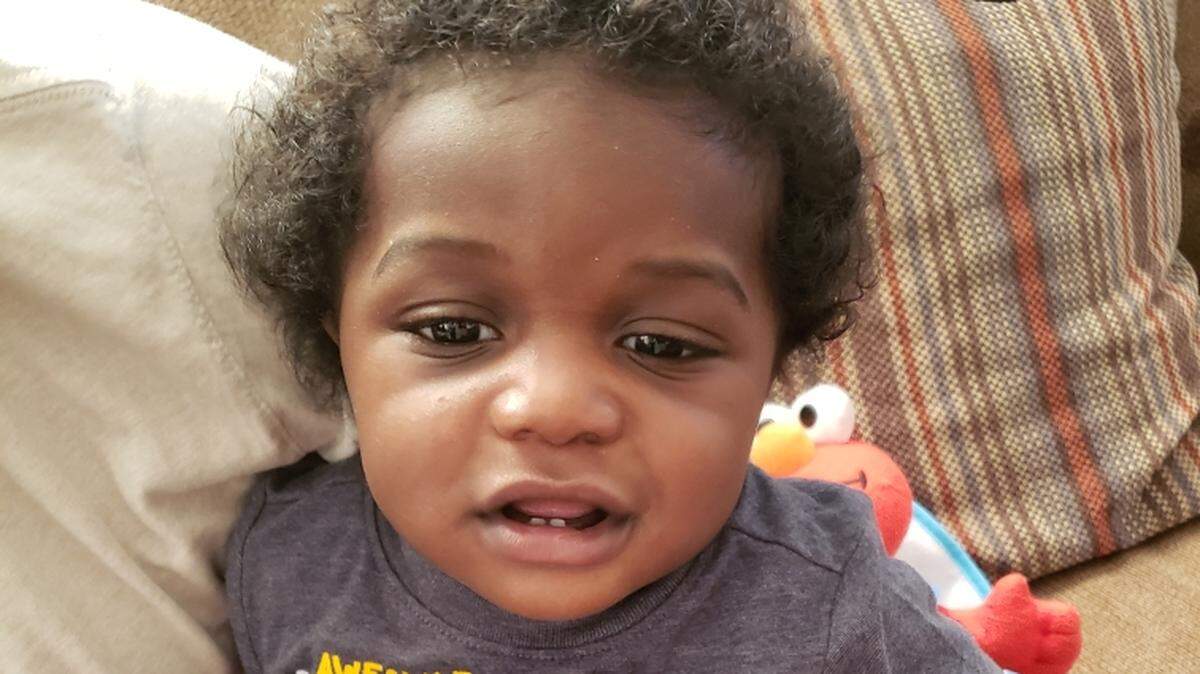
For one year, DCF refused to release records related to the death of 22-month-old Rashid Bryant in 2020, saying it couldn’t disclose those documents until the agency determined he died because of neglect or abuse, which would then trigger their release under Florida law. DCF also claimed the Miami-Dade State Attorney’s Office had asked that the records not be divulged while the case was under investigation.
Those were flimsy excuses.
A judge earlier this month ruled the agency’s claims were not true and ordered the records released. Their content contradicts DCF. For example, less than a week after Rashid’s death, the department wrote in a sworn statement that his injuries were due to child abuse, the Herald reported. A Miami-Dade prosecutor also testified under oath a request for secrecy was never made.
While we don’t know whether this was a cover-up attempt — and it certainly looks like one — much indicates DCF officials are playing a game that’s become common in Florida government: to put as many obstacles as possible in the way of the public and media access to government documents — until someone sues.
The hope seems to be that regular citizens and reporters will give up or realize they don’t have the money or time to go to court. Were it not for the Herald investigative team’s doggedness and a lawsuit filed by the Herald and other news organizations, we might have never learned how the state’s lax oversight allowed Rashid to be reunited with parents with a history of drug abuse, neglect and violence.
It’s a movie we’ve seen before with other children the state was supposed to protect and whose deaths it went to great lengths to keep secret.
For example, as DCF administrators waited for the release of the “Innocents Lost” series in the fall of 2013, a child death review coordinator stopped filing required “critical incident reports” to the agency’s headquarters in Tallahassee, the Herald reported in 2014. A week after the series came out, he filed almost 20 of those reports, some on incidents that were months old.
Following the series’ documentation of 477 child deaths between 2008 and 2014, the agency pledged to be more open and transparent. Instead, it sought to weaken transparency requirements lawmakers proposed and to this day that promised openness seems to be elusive.
Led by a governor who attacks critics and rejects scrutiny, state agencies averse to transparency like DCF aren’t out of the ordinary. We saw that during the COVID-19 pandemic.
It took the threat of a different Herald lawsuit for the Florida Department of Health to release the names of elder-care facilities that had positive tests for the coronavirus in 2020. Gov. Ron DeSantis’ general counsel even pressured the Herald’s law firm at the time to abandon the case.
In a state known for its government-in-the-sunshine laws, lawmakers have over the years chipped away at public records law. This month, DeSantis signed a law that shields the personal information of candidates vying to become president at public universities and colleges until the final stages of the search process.
In this political climate, bringing stories of children like Rashid to light has become tougher. The details leading up to his death, detailed in a Herald Sunday piece based in part on those previously unseen documents, are gut-wrenching. They provide a possible explanation as to why DCF fought so hard to keep them away from the public.
The story describes how he was “savagely beaten, perhaps over a period of months, in a filthy, fetid home” in Opa-locka. The medical examiner’s office determined he died of “acute and chronic” abuse. Rashid’s parents, Christopher Bryant and Jabora Deris, face manslaughter and aggravated child abuse charges.
The content of those documents makes any Floridian wonder: Why did the state and a different judge allow Rashid’s parents to be reunited with their children and discontinue state supervision less than a month before his death?
A piece of the puzzle that might help explain DCF’s actions remains a secret. The agency hasn’t released records related to an investigation into a caseworker who might have lied about visiting the family when she said she did. She was later fired.
Will obtaining those records be another uphill battle? It shouldn’t be if DCF has learned its lesson. It shouldn’t be if protecting children truly is the agency’s mission.
BEHIND THE STORY
MOREWhat's an editorial?
Editorials are opinion pieces that reflect the views of the Miami Herald Editorial Board, a group of opinion journalists that operates separately from the Miami Herald newsroom. Miami Herald Editorial Board members are: opinion editor Amy Driscoll and editorial writers Isadora Rangel and Mary Anna Mancuso. Read more by clicking the arrow in the upper right.
What's the difference between an op-ed and a column?
How does the Miami Herald Editorial Board decide what to write about?
The Editorial Board, made up of experienced opinion journalists, primarily addresses local and state issues that affect South Florida residents. Each board member has an area of focus, such as education, COVID or local government policy. Board members meet daily and bring up an array of topics for discussion. Once a topic is fully discussed, board members will further report the issue, interviewing stakeholders and others involved and affected, so that the board can present the most informed opinion possible. We strive to provide our community with thought leadership that advocates for policies and priorities that strengthen our communities. Our editorials promote social justice, fairness in economic, educational and social opportunities and an end to systemic racism and inequality. The Editorial Board is separate from the reporters and editors of the Miami Herald newsroom.
How can I contribute to the Miami Herald Opinion section?
The Editorial Board accepts op-ed submissions of 650-700 words from community members who want to argue a specific viewpoint or idea that is relevant to our area. You can email an op-ed submission to oped@miamiherald.com. We also accept 150-word letters to the editor from readers who want to offer their points of view on current issues. For more information on how to submit a letter, go here.
This story was originally published March 23, 2022 at 1:40 PM.