
McDonald’s finally gets it and shuts down the Golden Arches in Russia | Editorial
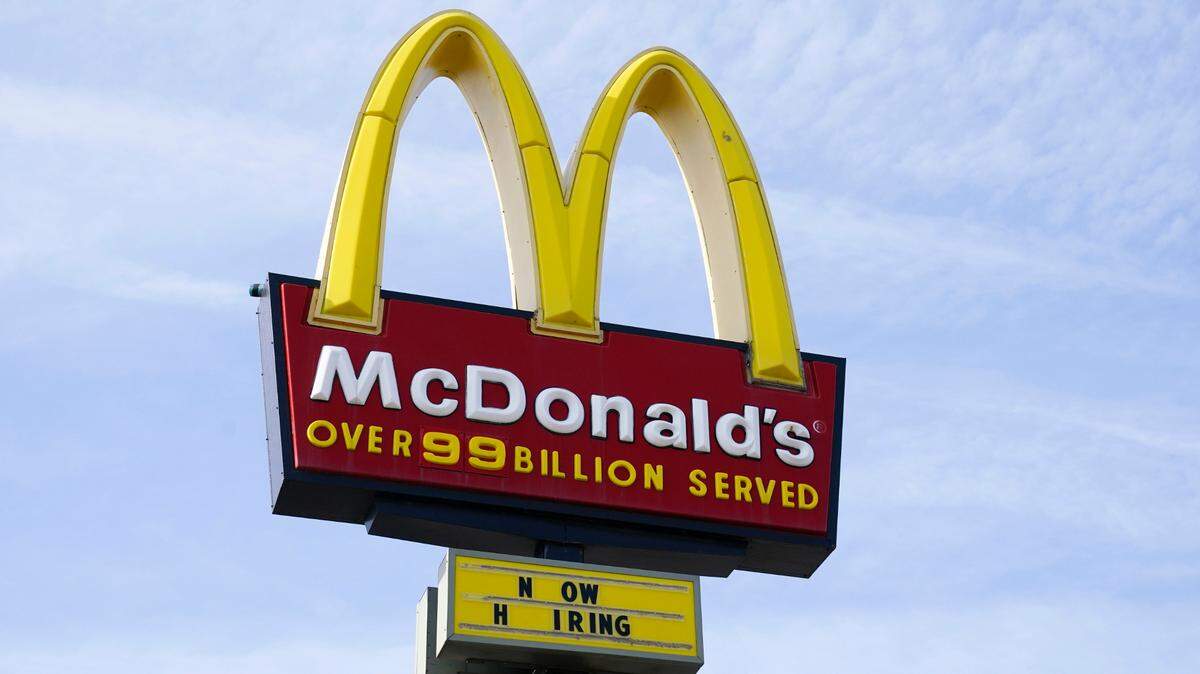
Sixteen days after Russia invaded Ukraine, McDonald’s announced Tuesday afternoon it is temporarily closing its 800 locations in Russia. It took a while.
While scores of major American companies, and IKEA, reacted to Vladimir Putin’s invasion of Ukraine by closing stores or cutting supplies, the Golden Arches continued to serve up Big Macs.
The visual was disturbing: America’s most iconic company serving up burgers and fries in Russia, while the White House and European nations are fighting to stop Russian leader Vladimir Putin from starting World War III. That changed Tuesday.
McDonald’s announced that it “has decided to temporarily close all our restaurants in Russia and pause all operations in the market,” CEO Chris Kempczinski said in a statement.
The statement did not mention that the decision comes after threats and backlash in social media and the corporate world against the company and threats of boycotts in America for its insensitivity and lack of a show, simply put, of patriotism.
The hashtags #BoycottMcDonalds and #BoycottCocaCola have been trending on Twitter since the weekend.
We understand that McDonald’s and every other company is in business to make money. McDonald’s business in Russia and Ukraine amounts to 9% of the company’s total revenues. But sometimes, companies bravely take risks to make a larger statement. Nike has done so in the past, so has Levi’s and Old Navy.
McDonald’s decision to stay open was even more baffling because nearly all of its restaurants in Russia are operated, not by franchisees, but by the company itself. So the decision to close was more straightforward.
McDonald’s has hinted it was trying to minimize the financial impact on its 62,000 Russian employees and to keep a steady food supply line via its eateries.
At this point, however, maybe feeding the Russian people shouldn’t be McDonald’s business, but Putin’s concern.
BEHIND THE STORY
MOREWhat's an editorial?
Editorials are opinion pieces that reflect the views of the Miami Herald Editorial Board, a group of opinion journalists that operates separately from the Miami Herald newsroom. Miami Herald Editorial Board members are: opinion editor Amy Driscoll and editorial writers Isadora Rangel and Mary Anna Mancuso. Read more by clicking the arrow in the upper right.
What's the difference between an op-ed and a column?
How does the Miami Herald Editorial Board decide what to write about?
The Editorial Board, made up of experienced opinion journalists, primarily addresses local and state issues that affect South Florida residents. Each board member has an area of focus, such as education, COVID or local government policy. Board members meet daily and bring up an array of topics for discussion. Once a topic is fully discussed, board members will further report the issue, interviewing stakeholders and others involved and affected, so that the board can present the most informed opinion possible. We strive to provide our community with thought leadership that advocates for policies and priorities that strengthen our communities. Our editorials promote social justice, fairness in economic, educational and social opportunities and an end to systemic racism and inequality. The Editorial Board is separate from the reporters and editors of the Miami Herald newsroom.
How can I contribute to the Miami Herald Opinion section?
The Editorial Board accepts op-ed submissions of 650-700 words from community members who want to argue a specific viewpoint or idea that is relevant to our area. You can email an op-ed submission to oped@miamiherald.com. We also accept 150-word letters to the editor from readers who want to offer their points of view on current issues. For more information on how to submit a letter, go here.
This story was originally published March 8, 2022 at 5:33 PM.