
Florida senator shared her rape story before abortion vote. Republican lawmakers didn’t care | Editorial
It was in vain that Sen. Lauren Book shared her painful experience of being drugged and raped by several men as a young teen. Her powerful testimony on the Florida Senate floor — the first time she shared it publicly — fell on deaf ears.
But it’s obvious what we already knew: the callousness of Republicans who refused at least five times to add exemptions for rape, incest and human trafficking to the 15-week abortion ban that the Legislature passed Thursday night. The bill heads to Gov. Ron DeSantis, who’s certain to sign it into law.
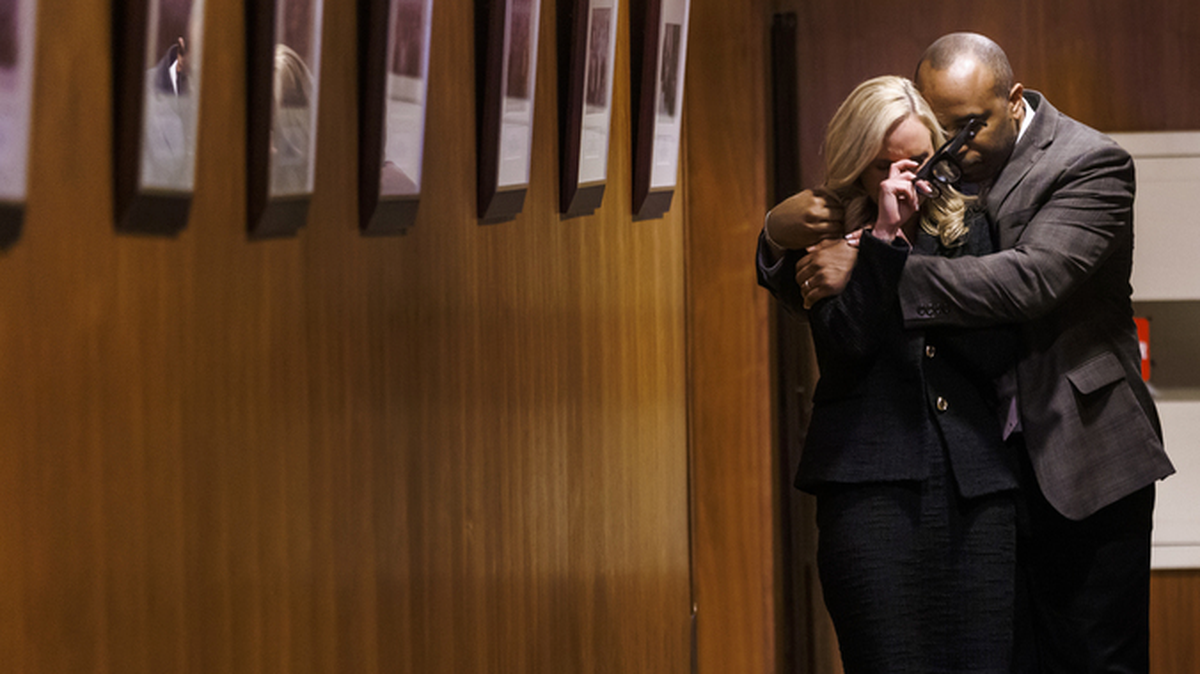
There’s no better symbol of the lawmakers’ lack of humanity than the photo posted on Twitter of a devastated Book, D-Plantation, being consoled by a fellow senator outside chambers after her amendment to provide such exceptions was rejected.
To force a woman or girl to carry the child of her own abusive father, brother or uncle — or a “friend” or stranger — isn’t “pro life.” It isn’t protecting the life of the unborn, as Republicans like to say from their high horses. It’s treating women as “host bodies”, as former House Speaker Jose Oliva called them in 2019. It was only after backlash that he apologized.
This is not to say that conservatives who oppose abortion rights are against women, as some pro-choice activists say. We can understand the desire to impose limits on the practice for religious or moral reasons. This debate isn’t as clear-cut as some like to think: freedom versus life; good versus evil.
But on Thursday, Republican state lawmakers looked like extremists when they denied dignity to victims of horrendous crimes. They made it hard to believe in the good moral conscience in which they claim to be acting, that they are anything but impervious to human suffering.
How else would you couch this explanation from Sen. Kelli Stargel, one of the sponsors of House Bill 5, for why she’s against exemptions?
“If one of the only opportunities to have an abortion is if the woman was raped, I fear for the men who are going to be accused of a rape so that the woman can have an abortion.”
She fears for men, but not the women who would be forced to carry a pregnancy that happened against their will.
Luckily, only 6% of abortions in Florida are performed after the third trimester, so this bill wouldn’t affect many women. But we would be foolish to assume Republicans will be done after this. With Roe v. Wade at risk in the U.S. Supreme Court, abortion-rights advocates fear that, eventually, lawmakers will try a Texas-style ban, which begins after about six weeks of pregnancy.
If, and when, that happens, we don’t expect anything short of more extremism. Florida Republicans already have shown their true colors.
BEHIND THE STORY
MOREWhat's an editorial?
Editorials are opinion pieces that reflect the views of the Miami Herald Editorial Board, a group of opinion journalists that operates separately from the Miami Herald newsroom. Miami Herald Editorial Board members are: opinion editor Amy Driscoll and editorial writers Isadora Rangel and Mary Anna Mancuso. Read more by clicking the arrow in the upper right.
What's the difference between an op-ed and a column?
How does the Miami Herald Editorial Board decide what to write about?
The Editorial Board, made up of experienced opinion journalists, primarily addresses local and state issues that affect South Florida residents. Each board member has an area of focus, such as education, COVID or local government policy. Board members meet daily and bring up an array of topics for discussion. Once a topic is fully discussed, board members will further report the issue, interviewing stakeholders and others involved and affected, so that the board can present the most informed opinion possible. We strive to provide our community with thought leadership that advocates for policies and priorities that strengthen our communities. Our editorials promote social justice, fairness in economic, educational and social opportunities and an end to systemic racism and inequality. The Editorial Board is separate from the reporters and editors of the Miami Herald newsroom.
How can I contribute to the Miami Herald Opinion section?
The Editorial Board accepts op-ed submissions of 650-700 words from community members who want to argue a specific viewpoint or idea that is relevant to our area. You can email an op-ed submission to oped@miamiherald.com. We also accept 150-word letters to the editor from readers who want to offer their points of view on current issues. For more information on how to submit a letter, go here.
This story was originally published March 4, 2022 at 4:12 PM.