
Snoop Dogg and Dr. Dre aside, the real rap against the NFL is enduring and insidious | Editorial
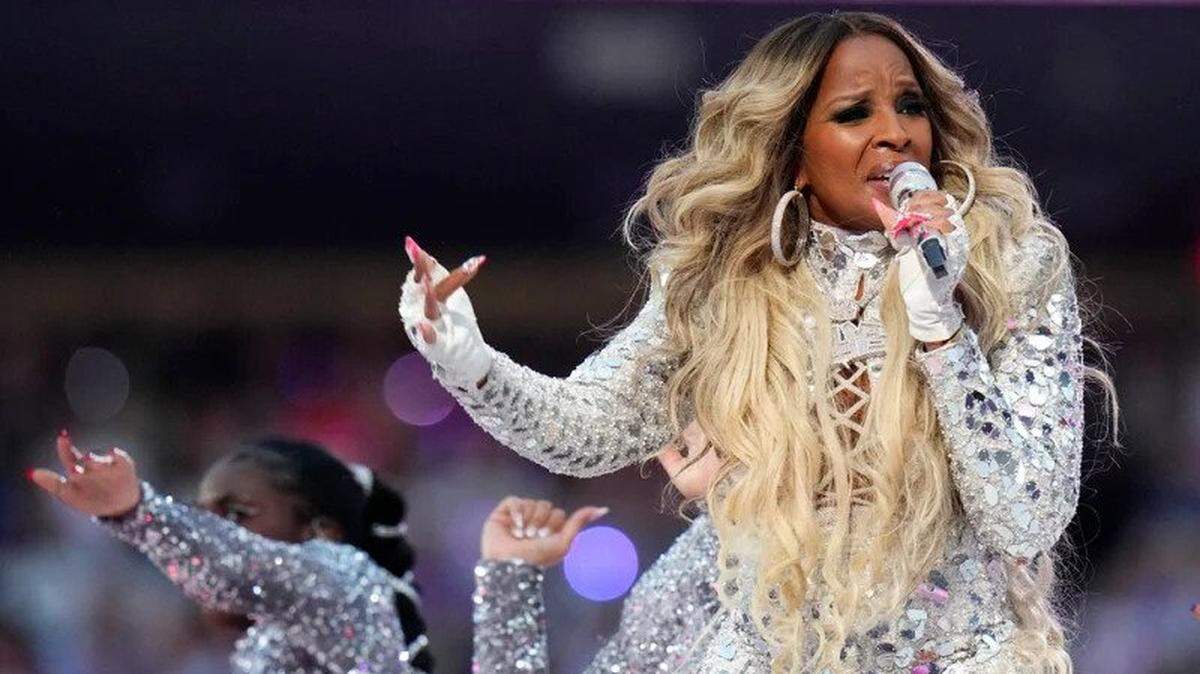
Do not be dazzled by the lights glinting off Mary J. Blige’s mirrored thigh-high boots.
Don’t be lulled by the rhythm of the rap.
The National Football League clearly prefers Black Americans as the entertainment — whether gladiator-style on the field or on the Super Bowl’s halftime stage on Sunday.
But calling the shots? Nah.
Sunday’s lineup: Dr. Dre, Snoop Dogg, Kendrick Lamar; Blige added the R&B; Eminem brought the diversity.
Eminem added a rustle of controversy when he took a knee during the show, echoing Colin Kaepernick’s act of defiance six years ago that derailed his career for the worthy cause of social justice for Black Americans.
And now, Brian Flores — a Black man who is the Miami Dolphins’ former head coach after owner Stephen Ross fired him in January — has courageously steered his own career off the tracks for another worthy issue that the NFL would like to continue to ignore.
In a lawsuit, Flores contends that not only did Ross offer to pay him to tank games, he says that the league discriminates against Blacks when it comes to hiring them as coaches.
A recent Miami Herald analysis could not confirm definitively that’s the case, largely because of the NFL itself. The league gives a racial breakdown of new hires in its annual Diversity and Inclusion reports, but does not include data on everyone interviewed and their qualifications.
But what the Herald did unearth is damning nevertheless:
▪ Since 2020, only three people of color were hired as head coaches, filling only 18% of openings. They included David Culley, a Black coach who’s already been fired.
▪ Interviewees of color had an average of 22 years of NFL experience, while white interviewees had an average of 15 years of professional experience. Of those who were hired, coaches of color had an average of 25 years of NFL experience, while white coaches had an average of only 13 years of experience.
▪ Coaches of color found themselves repeatedly called in to interview for jobs they didn’t get.
Troy Vincent was straight up: “There is a double standard” for coaches. And he’s an insider — a Black man who is the NFL’s executive vice president of football operations and former Miami Dolphins cornerback. “It is part of the larger challenges that we have.”
In other words, the league knows it has a race problem in the front office, on the sidelines — and even after players leave the field for the last time. Just last year, the NFL pledged to stop what’s called “race norming” in determining payouts in its $1 billion settlement for brain-injury claims. Race-norming assumed that Black players started out with lower cognitive function. This made it more difficult for Black retirees to prove a cognitive deficit and, therefore, qualify for compensation.
Unfortunately, the NFL has shown racist inclinations at just about every level. That’s the real rap against the league.
BEHIND THE STORY
MOREWhat's an editorial?
Editorials are opinion pieces that reflect the views of the Miami Herald Editorial Board, a group of opinion journalists that operates separately from the Miami Herald newsroom. Miami Herald Editorial Board members are: opinion editor Amy Driscoll and editorial writers Isadora Rangel and Mary Anna Mancuso. Read more by clicking the arrow in the upper right.
What's the difference between an op-ed and a column?
How does the Miami Herald Editorial Board decide what to write about?
The Editorial Board, made up of experienced opinion journalists, primarily addresses local and state issues that affect South Florida residents. Each board member has an area of focus, such as education, COVID or local government policy. Board members meet daily and bring up an array of topics for discussion. Once a topic is fully discussed, board members will further report the issue, interviewing stakeholders and others involved and affected, so that the board can present the most informed opinion possible. We strive to provide our community with thought leadership that advocates for policies and priorities that strengthen our communities. Our editorials promote social justice, fairness in economic, educational and social opportunities and an end to systemic racism and inequality. The Editorial Board is separate from the reporters and editors of the Miami Herald newsroom.
How can I contribute to the Miami Herald Opinion section?
The Editorial Board accepts op-ed submissions of 650-700 words from community members who want to argue a specific viewpoint or idea that is relevant to our area. You can email an op-ed submission to oped@miamiherald.com. We also accept 150-word letters to the editor from readers who want to offer their points of view on current issues. For more information on how to submit a letter, go here.
This story was originally published February 14, 2022 at 4:50 PM.