
As Miami-Dade observes Arthur McDuffie Day, we must never forget what happened to him | Editorial
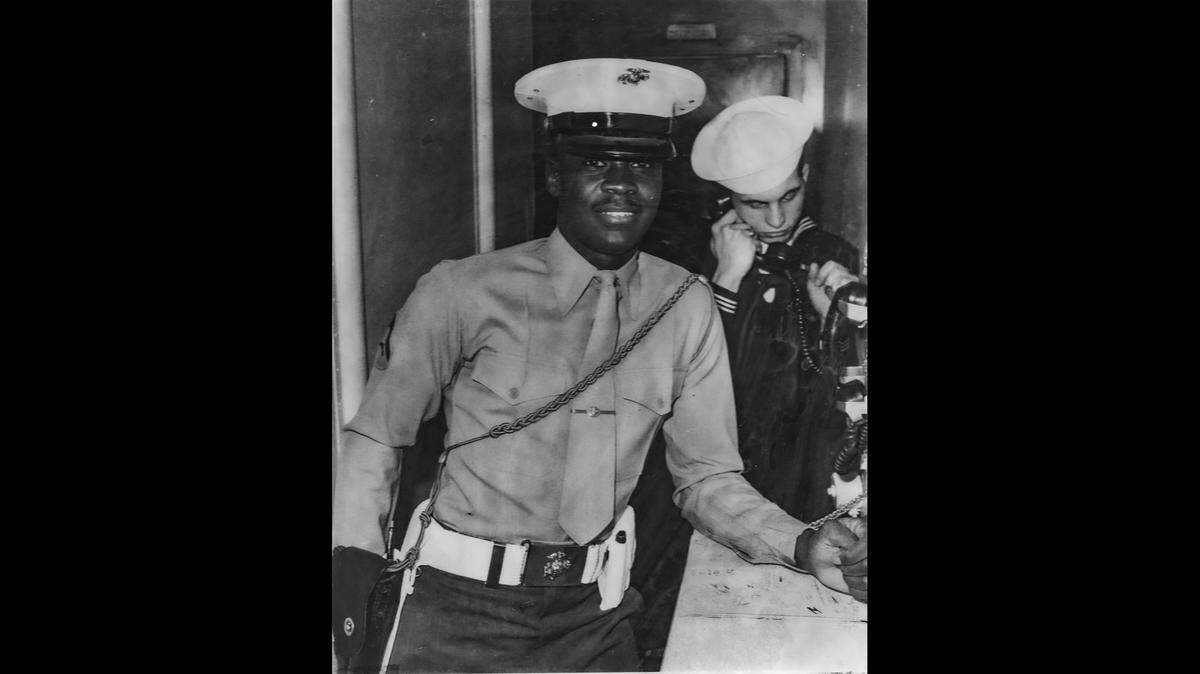
On Feb. 2, at the start of Black History Month, Miami-Dade also observes Arthur McDuffie Day.
What happened to McDuffie is a dark day in Miami-Dade history that should never be forgotten.
McDuffie is our George Floyd. Unfortunately, though his horrific death led to a riot, it did not spark a national movement.
On Dec. 17, 1979, McDuffie, a 33-year-old Black insurance agent and former Marine, ran a red light in his Kawasaki motorcycle. One Metro-Dade police officer and then many began to chase him. When they finally stopped McDuffie, up to a dozen officers were on the scene and beat him into a coma, cracking his skull with a police baton. The officers conspired at the scene to cover up the beating and staged an accident.
McDuffie died several days later from his injuries. An investigation led to the arrests of six officers when one of them confessed to the cover-up. All were charged.
In May 1980, five months after McDuffie was killed, an all-white jury in Tampa, where the trial had been moved, acquitted the officers. The blatant denial of justice in the death of a Black man led to an immediate outcry in Miami-Dade’s Black community.
It led to three days of violence in Liberty City, Brownsville and Overtown ; 18 people were killed, including white motorists who were pulled from their cars by rioters and beaten to death by angry crowds. The toll of looting and fires set was about $100 million in property damage. The neighborhoods impacted never quite recovered from the businesses destroyed by fires which never rebuilt.
After two days of rioting, Florida Gov. Bob Graham deployed the National Guard to calm the city and the neighborhoods that were set ablaze.
Since then, a stretch of Northwest 17th Avenue, has been named for him.
But it took until 2020, in the wake of Floyd’s murder by a Minneapolis police officer and the outrage it sparked, for Miami-Dade to declare Feb. 2 “Arthur Lee McDuffie Family Day.”
That offers some, but still small, comfort at a time when police brutality, especially against African-Americans, is an enduring danger.
BEHIND THE STORY
MOREWhat's an editorial?
Editorials are opinion pieces that reflect the views of the Miami Herald Editorial Board, a group of opinion journalists that operates separately from the Miami Herald newsroom. Miami Herald Editorial Board members are: opinion editor Amy Driscoll and editorial writers Isadora Rangel and Mary Anna Mancuso. Read more by clicking the arrow in the upper right.
What's the difference between an op-ed and a column?
How does the Miami Herald Editorial Board decide what to write about?
The Editorial Board, made up of experienced opinion journalists, primarily addresses local and state issues that affect South Florida residents. Each board member has an area of focus, such as education, COVID or local government policy. Board members meet daily and bring up an array of topics for discussion. Once a topic is fully discussed, board members will further report the issue, interviewing stakeholders and others involved and affected, so that the board can present the most informed opinion possible. We strive to provide our community with thought leadership that advocates for policies and priorities that strengthen our communities. Our editorials promote social justice, fairness in economic, educational and social opportunities and an end to systemic racism and inequality. The Editorial Board is separate from the reporters and editors of the Miami Herald newsroom.
How can I contribute to the Miami Herald Opinion section?
The Editorial Board accepts op-ed submissions of 650-700 words from community members who want to argue a specific viewpoint or idea that is relevant to our area. You can email an op-ed submission to oped@miamiherald.com. We also accept 150-word letters to the editor from readers who want to offer their points of view on current issues. For more information on how to submit a letter, go here.
This story was originally published February 2, 2022 at 5:37 PM.