
Rock stars vs. COVID lies: We hope Neil Young and Joni Mitchell have started a thing | Editorial
Want Spotify to serve up Neil Young’s masterpiece “Heart of Gold?”
Forget it.
How about Joni Mitchell’s only Top 10 hit, “Help Me?”?
It’s not on Spotify anymore, either. And it’s all over COVID-19 vaccine misinformation.
Both boomer rock stars, long-known for marching to the beat of their own drummers, have done it again. They have removed their music catalogs from the popular streaming service because Spotify has allowed popular podcaster Joe Rogan to spread misinformation about COVID-19 vaccines.
Good for these two singers.
Young and Mitchell may unleash a revolt if more artists follow with their influential voices. It could be a powerful statement from the artist community.
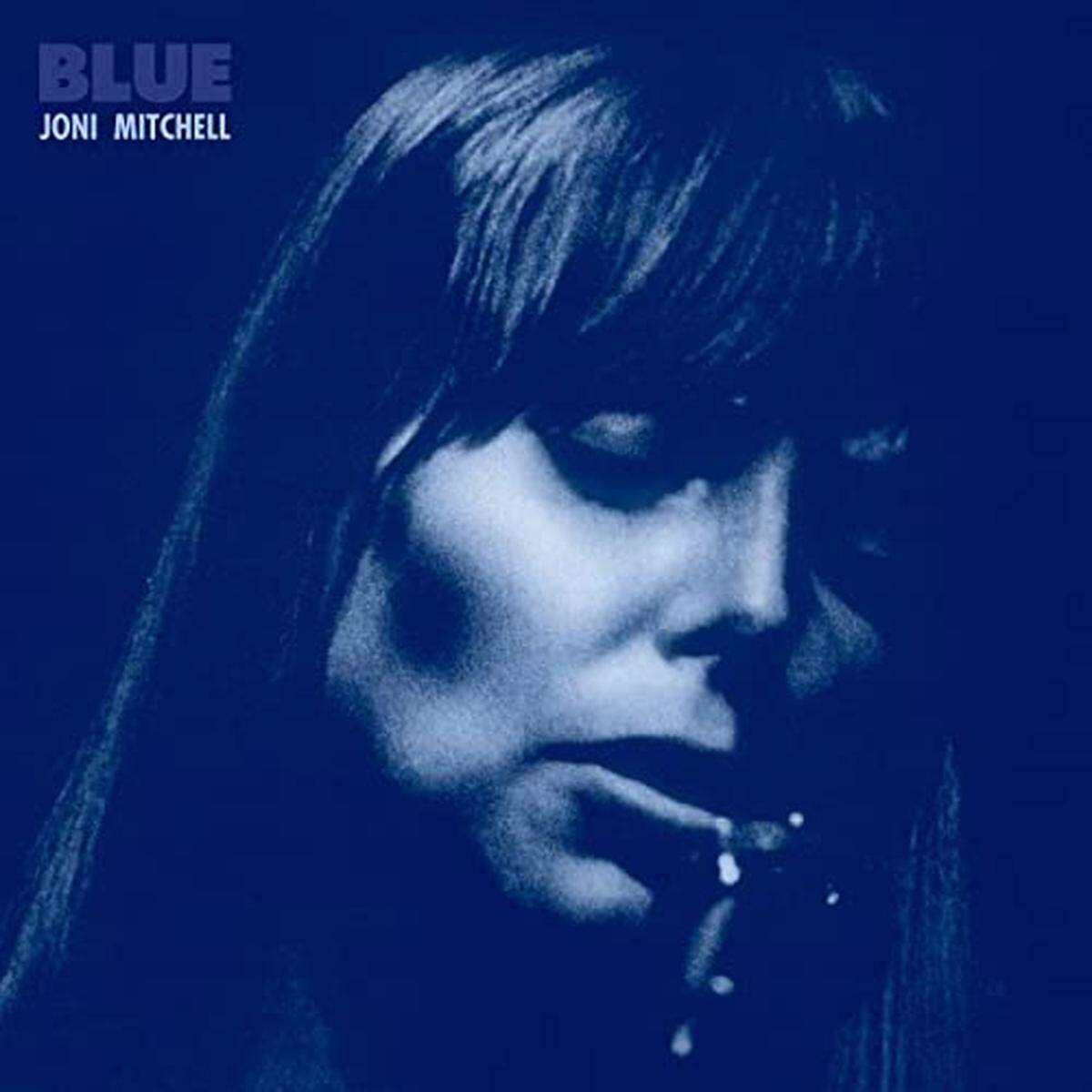
It’s important to note that these two artists, both Canadians, have a unique experience with vaccines: They both contracted polio as children, not long before a vaccine became available.
Rockers battle misinformation
New York Times music writer Ben Sisario last week wrote that the artistic revolt led by these 1970s rockers matters, and it all started with Young’s ultimatum: “Spotify can have Rogan or Young. Not both,” Young said in a letter to Spotify earlier this week. Mitchell joined him Friday.
They will both lose up to 60% of the streaming revue from their catalogs.
“Young’s challenge to Spotify has become a high-profile, if unexpected, flashpoint in the battle over misinformation and free speech online. It also raised questions about the power of performing artists to control where their work is heard,” Sisario wrote.
The artists targeted the controversial Rogan, the former host of “Fear Factor,” after a group of scientists, professors and public health experts asked Spotify to take down an episode of Rogan’s podcast from Dec. 31.
Who left who is now at issue, too. Conservative media is announcing that “Spotify removed Young” for criticizing Rogan, not that he demanded to be removed. Semantics.
In the episode that insulted the singers, Robert Malone — a medical doctor and an infectious-disease researcher — promoted “several falsehoods about COVID-19 vaccines,” according to the group’s public letter, which was issued on Jan. 10.
In past interviews, Malone has compared COVID-19 vaccination efforts in the U.S. to Nazi Germany, and said that Americans are suffering from “mass formation psychosis.” Last year, he and other debunked scientists helped circulate the rumor that spike proteins in the COVID vaccines are toxic, a claim that many experts found no evidence for according to Politifact. But, because of Malone’s medical background and field experience, he speaks the language of science, coming off as knowledgeable and trustworthy. This is what Joe Rogan does best: brings on plausible experts with dangerous takes related to their field. He gives a platform to the unpopular opinions. If only they weren’t so completely false. But, hey, “The Joe Rogan Experience” isn’t the No. 1 most listened to Spotify podcast in 2021 because it’s serving status quo content.
Other social platforms are taking action in the form of censorship. Twitter was smart enough to suspend Malone, who has recently gained hundreds of thousands of Twitter followers, for violating the platform’s COVID-19 misinformation policies. YouTube has removed the now-viral Dec 31 conversation between Rogan and Malone from their platform, though it’s still able to be discovered through third party channels. This begs the question: Would censoring Rogan’s podcast actually keep people from accessing it, or simply bring more attention to a podcast that continues to make news?
Bravo to Young and Mitchell for using their gifts and influence to support science and the public good. We hope others join them on this moral high road.
BEHIND THE STORY
MOREWhat's an editorial?
Editorials are opinion pieces that reflect the views of the Miami Herald Editorial Board, a group of opinion journalists that operates separately from the Miami Herald newsroom. Miami Herald Editorial Board members are: opinion editor Amy Driscoll and editorial writers Isadora Rangel and Mary Anna Mancuso. Read more by clicking the arrow in the upper right.
What's the difference between an op-ed and a column?
How does the Miami Herald Editorial Board decide what to write about?
The Editorial Board, made up of experienced opinion journalists, primarily addresses local and state issues that affect South Florida residents. Each board member has an area of focus, such as education, COVID or local government policy. Board members meet daily and bring up an array of topics for discussion. Once a topic is fully discussed, board members will further report the issue, interviewing stakeholders and others involved and affected, so that the board can present the most informed opinion possible. We strive to provide our community with thought leadership that advocates for policies and priorities that strengthen our communities. Our editorials promote social justice, fairness in economic, educational and social opportunities and an end to systemic racism and inequality. The Editorial Board is separate from the reporters and editors of the Miami Herald newsroom.
How can I contribute to the Miami Herald Opinion section?
The Editorial Board accepts op-ed submissions of 650-700 words from community members who want to argue a specific viewpoint or idea that is relevant to our area. You can email an op-ed submission to oped@miamiherald.com. We also accept 150-word letters to the editor from readers who want to offer their points of view on current issues. For more information on how to submit a letter, go here.
This story was originally published January 30, 2022 at 6:00 AM.