
We agree with Donald Trump. Tell us whether you got a booster, Gov. DeSantis | Editorial
Donald Trump’s “tell it like it is” style is often a cover for bigoted, insensitive comments. But just like a broken watch is right twice a day, the former president got something right this week.
Trump on Tuesday said he has received a COVID-19 vaccine booster and called politicians who refuse to say whether they got one “gutless.”
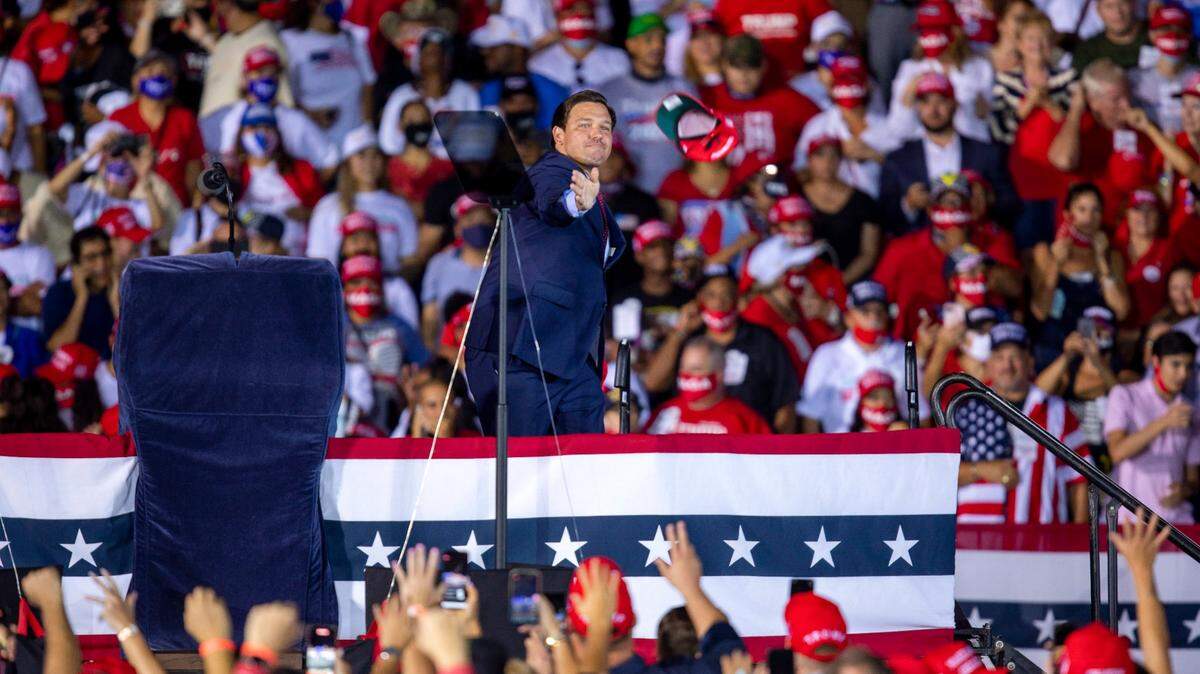
Immediately after his comment to far-right cable channel One America News, there was speculation about whether that was a jab at Trump 2.0, Florida Gov. Ron DeSantis. It’s no secret that mentor and pupil are on a collision course as DeSantis’ profile rises nationally as he eyes a 2024 presidential run.
DeSantis, who received the single-dose Johnson & Johnson vaccine last year without any fanfare, has refused to say directly whether he’s gotten a booster shot.
“So, I’ve done, whatever I did. The normal shot. And that at the end of the day is people’s individual decisions about what they want to do,” DeSantis told Fox News in December. A spokeswoman later told Politico she wasn’t “privy to the governor’s private medical decisions.”
DeSantis aggressively promoted vaccinations for seniors when the shots first became available, but you don’t hear the governor talk about boosters these days. He prefers to spend his time selling “Don’t Fauci my Florida” campaign merchandise and telling Floridians masks don’t work, while his Ivy League-educated surgeon general casts doubt on vaccines.
DeSantis isn’t alone in his crusade against sound public-health measures like vaccine mandates and masks. Other Republican governors have adopted similar tactics, cloaking it with a “personal freedom” mantle that puts the lives of their unvaccinated followers in danger. But at least some of those governors, like Georgia’s Brian Kemp, have praised vaccines and shared that they have received boosters.
So, why so coy, Gov. DeSantis?
Less than 30% of Floridians received a booster by Dec. 20, according to a tally by Johns Hopkins University. In nursing homes, the situation is worse: only 23.8% of residents are boosted, below the national average, according to the AARP. We need all the help we can get.
Perhaps the governor has drunk his own Kool-Aid that vaccines are solely “personal choice” just like hair color. Or he believes Surgeon General Joseph Ladapo, who stood next to a smiling DeSantis at an October rally and questioned vaccines, saying “that we don’t know all there is to know about” them yet. Millions of people across the world have been safely immunized and data show vaccines protect against serious illness.
Perhaps DeSantis is taking Ladapo’s advice to supporters to “stick with their intuition and their sensibilities.” The governor’s “sensibilities” about the pandemic can be best described as callousness in the face of 63,000 COVID-19 deaths in the Sunshine State.
Or perhaps DeSantis actually knows better. But he understands that vaccine skeptics are his constituency, one he inherited from Trump, who got booed by supporters last year for revealing he got a booster.
“You gotta say it, whether you had it or not,” Trump said Tuesday. “Say it. But the fact is that I think the vaccines saved tens of millions throughout the world. I’ve had absolutely no side effects.”
It could be that only Trump can challenge Trumpism. Remember, Trump first pooh-poohed the pandemic back in 2020, peddled dubious remedies and even suggested bleach as an antidote, all to the nation’s detriment. So it shouldn’t be so hard for DeSantis to utter simple words to say whether he got a booster. We actually need more than that. We need a governor who has the guts in this political climate to urge Floridians to roll up their sleeves.
BEHIND THE STORY
MOREWhat's an editorial?
Editorials are opinion pieces that reflect the views of the Miami Herald Editorial Board, a group of opinion journalists that operates separately from the Miami Herald newsroom. Miami Herald Editorial Board members are: opinion editor Amy Driscoll and editorial writers Isadora Rangel and Mary Anna Mancuso. Read more by clicking the arrow in the upper right.
What's the difference between an op-ed and a column?
How does the Miami Herald Editorial Board decide what to write about?
The Editorial Board, made up of experienced opinion journalists, primarily addresses local and state issues that affect South Florida residents. Each board member has an area of focus, such as education, COVID or local government policy. Board members meet daily and bring up an array of topics for discussion. Once a topic is fully discussed, board members will further report the issue, interviewing stakeholders and others involved and affected, so that the board can present the most informed opinion possible. We strive to provide our community with thought leadership that advocates for policies and priorities that strengthen our communities. Our editorials promote social justice, fairness in economic, educational and social opportunities and an end to systemic racism and inequality. The Editorial Board is separate from the reporters and editors of the Miami Herald newsroom.
How can I contribute to the Miami Herald Opinion section?
The Editorial Board accepts op-ed submissions of 650-700 words from community members who want to argue a specific viewpoint or idea that is relevant to our area. You can email an op-ed submission to oped@miamiherald.com. We also accept 150-word letters to the editor from readers who want to offer their points of view on current issues. For more information on how to submit a letter, go here.
This story was originally published January 13, 2022 at 3:28 PM.