
Epstein’s accusers were ignored and silenced. With Maxwell verdict, they’ve been heard | Editorial
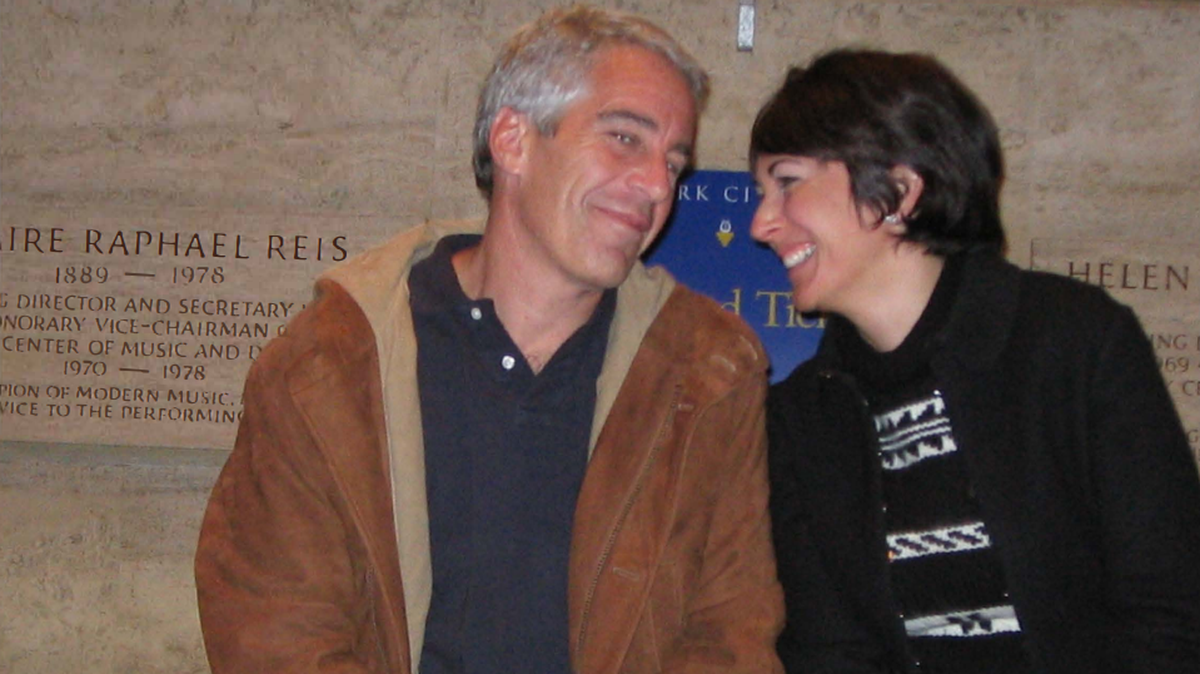
They were heard.
After five long days of deliberations — and decades of being ignored — the victims of sexual predator Jeffrey Epstein can finally say they were heard. A New York jury believed them, deciding Wednesday that Ghislaine Maxwell had played a key role in recruiting and grooming teenage girls to be sexually abused by the Palm Beach financier.
For the women who had the courage to come forward about the abuse they had suffered between 1994 and 2000, this is validation they have long deserved. Maxwell, a well-connected British socialite and Epstein’s girlfriend, was convicted on five of six counts. We hope this outcome offers encouragement for other sex-abuse victims to recognize that they, too, deserve justice.
The accusers in the case had every reason to doubt that they would ever be taken seriously. Two decades ago, prosecutors in South Florida gave Epstein a secret plea deal for sex offenses without telling those he was accused of abusing. That was the subject of a Miami Herald series, Perversion of Justice. After it ran, authorities reopened the investigation.
When Epstein, suspected of abusing scores of women, was found dead in prison in 2019 while awaiting his trial on new charges, New York prosecutors forged ahead and filed charges against Maxwell. She was arrested in July 2020 on six charges related to sex trafficking.
The trial, in Manhattan, involved testimony from just four of the women — though the Miami Herald had tracked down more than 60 who said they were abused. Some of the four testified under pseudonyms. Some used their own names. Though they were denied the opportunity to confront Epstein in court, they could do this. They could testify about Maxwell’s part in the abuse — helping to procure vulnerable girls, some as young as 14, for Epstein. They climbed onto that witness stand and they told everyone what happened to them, no matter how hard it was to talk about.
When the deliberations went on through the holidays, Maxwell’s lawyers seemed to think the length of time was an indication that the jury believed their defense, that Maxwell was scapegoated after Epstein died. Through it all, the victims had to hang on, placing their faith in our courts and the jury.
Wednesday, their confidence was rewarded. Maxwell was convicted. Finally, after far too long, they had been heard.
BEHIND THE STORY
MOREWhat's an editorial?
Editorials are opinion pieces that reflect the views of the Miami Herald Editorial Board, a group of opinion journalists that operates separately from the Miami Herald newsroom. Miami Herald Editorial Board members are: opinion editor Amy Driscoll and editorial writers Isadora Rangel and Mary Anna Mancuso. Read more by clicking the arrow in the upper right.
What's the difference between an op-ed and a column?
How does the Miami Herald Editorial Board decide what to write about?
The Editorial Board, made up of experienced opinion journalists, primarily addresses local and state issues that affect South Florida residents. Each board member has an area of focus, such as education, COVID or local government policy. Board members meet daily and bring up an array of topics for discussion. Once a topic is fully discussed, board members will further report the issue, interviewing stakeholders and others involved and affected, so that the board can present the most informed opinion possible. We strive to provide our community with thought leadership that advocates for policies and priorities that strengthen our communities. Our editorials promote social justice, fairness in economic, educational and social opportunities and an end to systemic racism and inequality. The Editorial Board is separate from the reporters and editors of the Miami Herald newsroom.
How can I contribute to the Miami Herald Opinion section?
The Editorial Board accepts op-ed submissions of 650-700 words from community members who want to argue a specific viewpoint or idea that is relevant to our area. You can email an op-ed submission to oped@miamiherald.com. We also accept 150-word letters to the editor from readers who want to offer their points of view on current issues. For more information on how to submit a letter, go here.
This story was originally published December 29, 2021 at 6:06 PM.