
A soup from Haiti and a song from Cuba are having a glorious moment | Editorial
Haiti and Cuba have had a rough year.
In Haiti, a president was assassinated; an earthquake rocked Les Cayes and violent gangs, basically, are running things. In Cuba, civil disobedience for the first time in decades challenged the Castro-created government and triggered a crackdown on human-rights advocates.
But in the midst of all this, both countries are having deserved recognition for their contributions to our global heritage.
The United Nations has added Haiti’s beloved soup joumou, a meat-and-vegetable-studded pumpkin soup, regarded as a symbol of freedom and dignity, to its Intangible Cultural Heritage of Humanity list. The soup is a New Year’s Day ritual to celebrate Haiti’s birth as the world’s first free Black republic.
UNESCO approved the move, effective in six months, after it was agreed that the dish is part of “Haiti’s cultural and gastronomic tradition,” wrote Miami Herald reporter Jacqueline Charles.
So, a toast to soup joumou — and a big spoon.
Let’s also raise our glasses to Cuba’s most famous song in recent years, “Patria y Vida,” which is also winning national recognition in the halls of democracy.
The song — “Homeland and Life” in English — became a battle cry for the legions of Cuban artists and writers who took to the streets on the island in July to denounce the government’s human-rights abuses. It’s a more life-affirming riff off of Fidel Castro’s mantra, Patria o Muerte (Homeland or Death.)
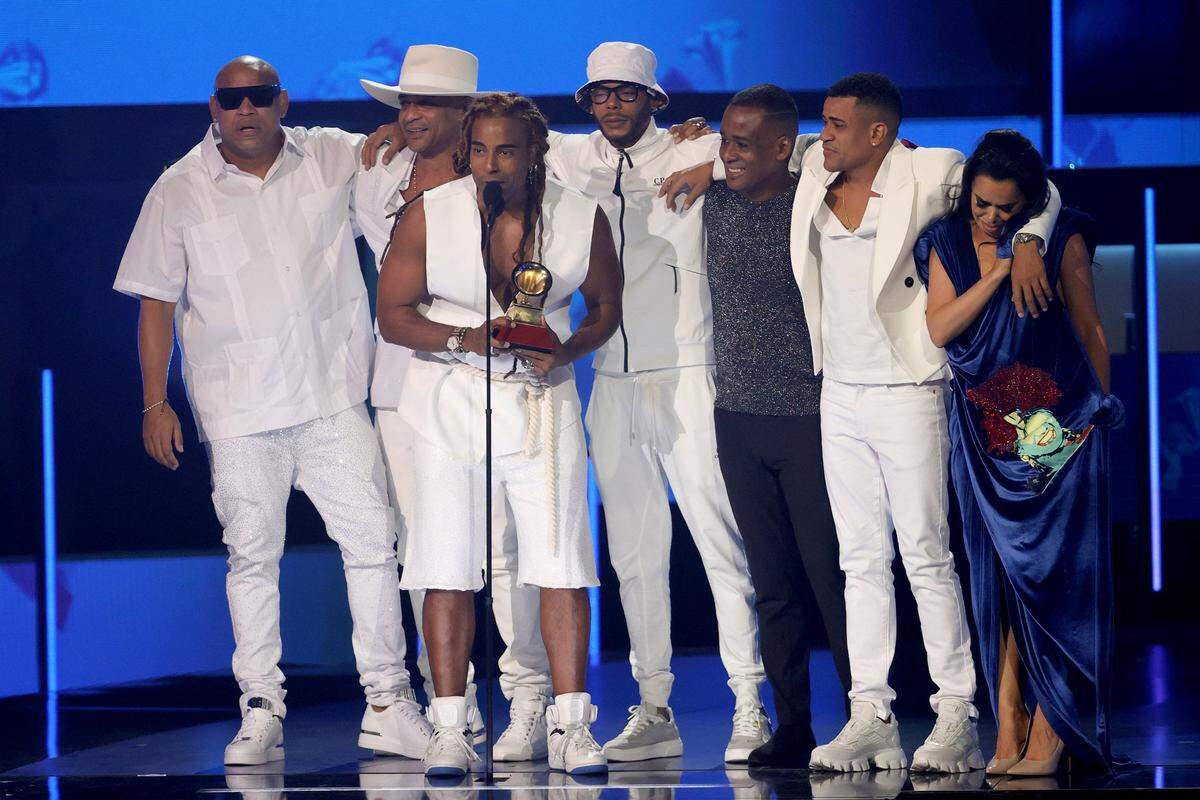
The song won two Latin Grammys in November and, this month, Miami Republican U.S. Rep. Mario Diaz-Balart submitted the lyrics of “Patria y Vida” into the U.S. Congressional Record.
“ ‘Patria y Vida’ is more than a song. It is an anthem, a beacon of hope for the Cuban people. By adding these lyrics to the Congressional Record, it ensures that this anthem of freedom is immortalized and preserved for generations to come,” said Diaz-Balart.
In such challenging times, it is especially encouraging to see how a soup and a song can make their marks by speaking for a people.
BEHIND THE STORY
MOREWhat's an editorial?
Editorials are opinion pieces that reflect the views of the Miami Herald Editorial Board, a group of opinion journalists that operates separately from the Miami Herald newsroom. Miami Herald Editorial Board members are: opinion editor Amy Driscoll and editorial writers Isadora Rangel and Mary Anna Mancuso. Read more by clicking the arrow in the upper right.
What's the difference between an op-ed and a column?
How does the Miami Herald Editorial Board decide what to write about?
The Editorial Board, made up of experienced opinion journalists, primarily addresses local and state issues that affect South Florida residents. Each board member has an area of focus, such as education, COVID or local government policy. Board members meet daily and bring up an array of topics for discussion. Once a topic is fully discussed, board members will further report the issue, interviewing stakeholders and others involved and affected, so that the board can present the most informed opinion possible. We strive to provide our community with thought leadership that advocates for policies and priorities that strengthen our communities. Our editorials promote social justice, fairness in economic, educational and social opportunities and an end to systemic racism and inequality. The Editorial Board is separate from the reporters and editors of the Miami Herald newsroom.
How can I contribute to the Miami Herald Opinion section?
The Editorial Board accepts op-ed submissions of 650-700 words from community members who want to argue a specific viewpoint or idea that is relevant to our area. You can email an op-ed submission to oped@miamiherald.com. We also accept 150-word letters to the editor from readers who want to offer their points of view on current issues. For more information on how to submit a letter, go here.
This story was originally published December 21, 2021 at 3:09 PM.