
On his way out, Carvalho right to fight DeSantis again if omicron wave materializes | Editorial
Miami-Dade County is setting the stage for a potential winter surge of COVID-19 fueled by the omicron variant. Jackson Health System, seeing a galloping increase in coronavirus hospitalizations, is limiting visitations. The county mayor has reinstated an order requiring daily coronavirus patient counts and is urging people to have holiday meals outdoors.
As the county’s coronavirus positivity rate creeps up, there’s not much else local officials can do given how Gov. Ron DeSantis and Republican lawmakers have tied their hands, banning school mask mandates and other measures that could slow the spread of the virus.
If the worst projections materialize with a massive January wave, public schools again will be forced to chose between protecting students and complying with state law created by Republicans who disregard the nation’s top health experts and favor anti-mask, anti-vaccine rhetoric.
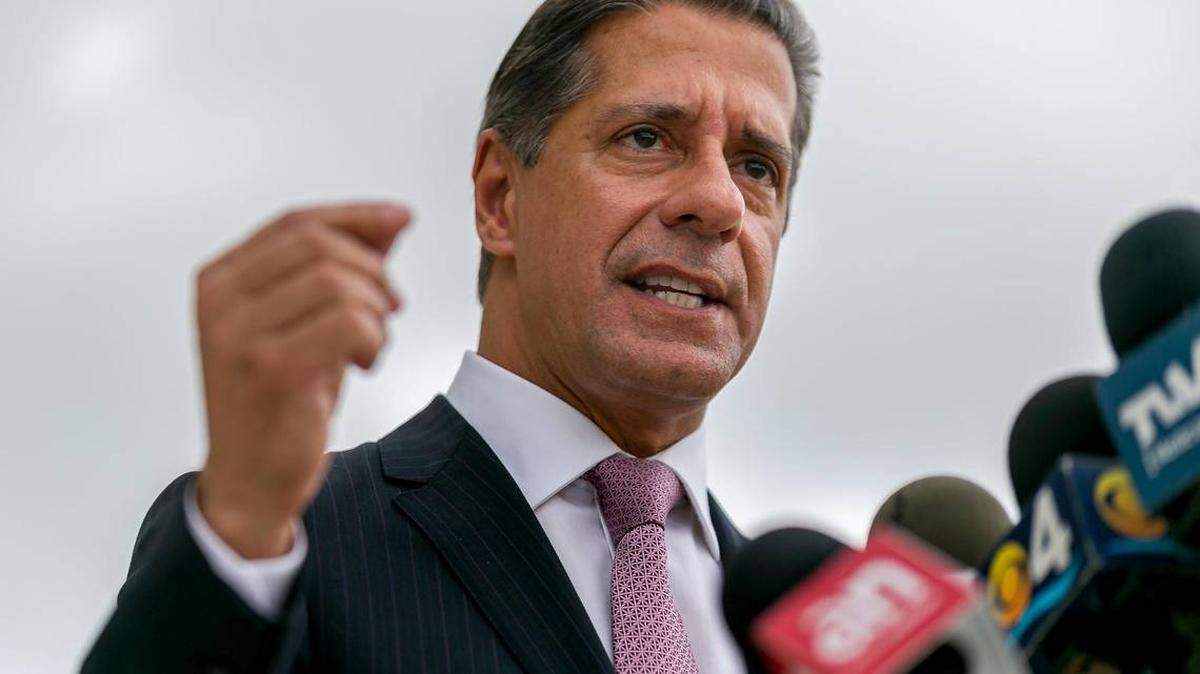
If it’s up to schools Superintendent Alberto Carvalho, Miami-Dade can brace for another showdown with the state over mask mandates.
Carvalho announced his departure for the Los Angeles school district last week. It’s unclear when his last day on the job in Miami will be, but if he’s here during a worst-case COVID scenario, he vowed to balk at Republicans’ ridiculousness and follow scientific guidance on masks again. That’s what he did when he imposed a mandate recommended by a task force of doctors during the Delta-fueled summer surge.
“If I’m here and conditions, in fact, worsen, expect me to follow, debate, argue and defend the best scientific advice that we’ll be getting not only from our local experts but also from federal agencies that opine on these matters,” Carvalho told the Herald Editorial Board Friday.
When asked about going against state law, he said, “That’s why the courts exist.” However, it’s hard to see how Carvalho could prevail. A judge last month dismissed a lawsuit by Miami-Dade and other school districts against the DeSantis administration’s ban on school mandates.
The ban was enshrined into law by the Legislature in a special session in November. Lawmakers also allowed parents to sue school districts over their mask policy and be awarded attorneys’ fees and costs if they win, making a mask mandate a potentially expensive fight the School Board might not be willing to pick.
Carvalho conceded the new law “makes it even more difficult to follow the science.”
“I don’t know how to navigate this issue without following science, or how else do we do that?” Carvalho said.
That is the unfair situation any superintendent in charge of the safety of some 350,000 Miami-Dade students will find themselves in. They are stuck between between their duty to follow the rule of law and knowing that, in doing, so they may jeopardize the health of children, faculty and staff. Thankfully, children over the age of 5 are now eligible for the COVID-19 vaccine, which lowers their risk of contracting the virus.
Projections by the Centers for Disease Control and Prevention show omicron could peak in a massive wave as soon as January, or it could cause a smaller surge in the spring, the Washington Post reported. In Miami-Dade, the rate of COVID-19 tests coming back positive spiked from 1% just a month ago to an average of 7% now. The first sequencing of those tests shows a scattering of omicron cases, but experts assume the actual count is much higher, the Herald reported.
With so much uncertainty about omicron, local authorities should ideally have as many tools at their disposal and support from the state. Instead, we have a DeSantis administration that barely mentions the need for vaccines and boosters in its public announcements and dismisses home rule.
On his way out the door, Carvalho might not be here to deal with the consequences of going against the state, but we hope his successor shows the same backbone.
BEHIND THE STORY
MOREWhat's an editorial?
Editorials are opinion pieces that reflect the views of the Miami Herald Editorial Board, a group of opinion journalists that operates separately from the Miami Herald newsroom. Miami Herald Editorial Board members are: opinion editor Amy Driscoll and editorial writers Isadora Rangel and Mary Anna Mancuso. Read more by clicking the arrow in the upper right.
What's the difference between an op-ed and a column?
How does the Miami Herald Editorial Board decide what to write about?
The Editorial Board, made up of experienced opinion journalists, primarily addresses local and state issues that affect South Florida residents. Each board member has an area of focus, such as education, COVID or local government policy. Board members meet daily and bring up an array of topics for discussion. Once a topic is fully discussed, board members will further report the issue, interviewing stakeholders and others involved and affected, so that the board can present the most informed opinion possible. We strive to provide our community with thought leadership that advocates for policies and priorities that strengthen our communities. Our editorials promote social justice, fairness in economic, educational and social opportunities and an end to systemic racism and inequality. The Editorial Board is separate from the reporters and editors of the Miami Herald newsroom.
How can I contribute to the Miami Herald Opinion section?
The Editorial Board accepts op-ed submissions of 650-700 words from community members who want to argue a specific viewpoint or idea that is relevant to our area. You can email an op-ed submission to oped@miamiherald.com. We also accept 150-word letters to the editor from readers who want to offer their points of view on current issues. For more information on how to submit a letter, go here.
This story was originally published December 19, 2021 at 6:00 AM.