
No one really knows what Miami-Dade’s new sheriff will do. It’s time to figure that out | Editorial
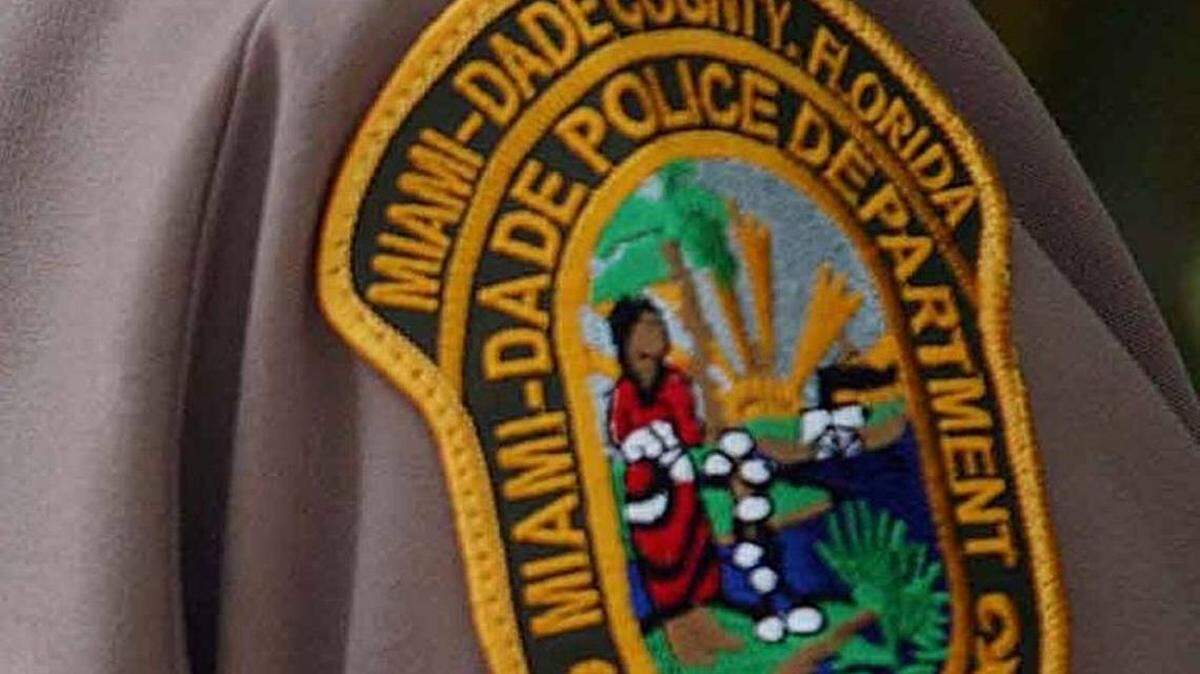
The next head of Miami-Dade County’s law enforcement will have an R or a D next to their name.
Mixing policing with partisan politics in a county with a history of abuse and power-hungry politicians can be tricky, but we have no choice. Thanks to a 2018 voter-approved constitutional amendment that the state shoved down our throats, county voters must elect a sheriff in a partisan race in 2024.
But before that happens, 13 county commissioners must make what’s likely the most consequential decision in their political careers: How much power the county, which currently runs the Miami-Dade Police Department, should cede to the new sheriff.
Will they make that person simply a figurehead with few responsibilities beyond what’s required by Florida law? Or will the new sheriff oversee Florida’s largest law-enforcement agency with nearly 4,400 sworn and non-sworn employees providing routine patrolling to 1.2 million residents in unincorporated parts of the county, plus PortMiami, Jackson Health System and some cities? Will the sheriff take over the county jail? Homicide investigations? Rape kits?
This is no small potatoes, but the commission hasn’t even started a discussion. It’s been crickets since 2018.
Two years may seem like plenty of time to get their ducks in a row before the 2024 elections, but we suggest they start now. Given our history, this is not something we can afford to get wrong. The last time Miami-Dade had an elected sheriff — in the 1960s — a grand jury found the office essentially functioned as a criminal enterprise, so voters transferred functions of the sheriff to the mayor, who delegates them to an appointee.
“Once we create the [sheriff’s] office, we cannot edit it,” Commissioner Raquel Regalado told the Herald Editorial Board. “Whatever you have now that’s what you live with, which is more of a reason for this to be an open public debate.”
Where’s the plan?
No one has presented a proposal on the duties of a new sheriff because of an obscure rule known as a “legislative hold.” When a commissioner places a “hold” on a topic they have exclusive rights to draft legislation on it. They can also stall discussion indefinitely.
The commissioner who has the hold on legislation related to the sheriff — since February 2019! — is Joe Martinez, a retired Miami-Dade police lieutenant, who told the Editorial Board that he does not know whether he is running for the position. “I’ll think about it in ‘24,” he said.
Regalado, who wants to limit the sheriff’s power, is putting Martinez on the spot for the delays and is urging her colleagues to start a discussion. She’s concerned about the cost to taxpayers of transferring law enforcement to a sheriff’s office and the necessary re-branding, as well as a sheriff’s ability to ask the state to override a budget set by the commission.
A strong sheriff?
This is a lot more inside baseball than voters might care to know. What they do care about is how the sheriff’s office will impact their lives.
Martinez told the Editorial Board he expects to file legislation after the holidays and that he’s in the process of setting up meetings with sheriffs of nearby counties and citizens to hear their expectations when they voted for the 2018 constitutional amendment. The amendment didn’t meet the require 60% vote threshold in Miami-Dade but passed statewide with 63%. In addition to the sheriff, it also required all counties in Florida to elect a county clerk, elections supervisor, property appraiser and tax collector. Miami-Dade already elects its clerk and property appraiser.
Martinez believes most voters assumed the sheriff would simply take over the Miami-Dade Police Department, which a county staff analysis found would have the least impact on services.
The department is currently overseen by Director Alfredo Ramirez, who reports to the county’s chief public safety officer, who subsequently reports to Mayor Daniella Levine Cava. She told the Herald last month that she wants to maintain some of her authority. Friday, she told the Editorial Board that she will be presenting her own proposal, after also consulting with constituents and stakeholders, next year.
It’s impossible to completely remove politics from the police department — and Levine Cava prides herself in being a hands-on mayor — but the current structure ensures there are two levels of separation between the rank-and-file and a politician. It also ensures someone with law-enforcement qualifications has the job, not just somebody who’s a skilled at running a campaign.
Other counties in Florida elect their sheriffs with few problems, but the potential for politicizing police work is there. Imagine we end up with someone like Arizona’s Joe Arpaio, the self-proclaimed “toughest sheriff in America” who was convicted in federal court of criminal contempt in a case involving racial profiling and later pardoned by Donald Trump.
The stakes are high for Miami-Dade commission and every single one of their constituents. The creation of a sheriff’s office will be their legacy. They better start working on it ASAP.
BEHIND THE STORY
MOREWhat's an editorial?
Editorials are opinion pieces that reflect the views of the Miami Herald Editorial Board, a group of opinion journalists that operates separately from the Miami Herald newsroom. Miami Herald Editorial Board members are: opinion editor Amy Driscoll and editorial writers Isadora Rangel and Mary Anna Mancuso. Read more by clicking the arrow in the upper right.
What's the difference between an op-ed and a column?
How does the Miami Herald Editorial Board decide what to write about?
The Editorial Board, made up of experienced opinion journalists, primarily addresses local and state issues that affect South Florida residents. Each board member has an area of focus, such as education, COVID or local government policy. Board members meet daily and bring up an array of topics for discussion. Once a topic is fully discussed, board members will further report the issue, interviewing stakeholders and others involved and affected, so that the board can present the most informed opinion possible. We strive to provide our community with thought leadership that advocates for policies and priorities that strengthen our communities. Our editorials promote social justice, fairness in economic, educational and social opportunities and an end to systemic racism and inequality. The Editorial Board is separate from the reporters and editors of the Miami Herald newsroom.
How can I contribute to the Miami Herald Opinion section?
The Editorial Board accepts op-ed submissions of 650-700 words from community members who want to argue a specific viewpoint or idea that is relevant to our area. You can email an op-ed submission to oped@miamiherald.com. We also accept 150-word letters to the editor from readers who want to offer their points of view on current issues. For more information on how to submit a letter, go here.
This story was originally published December 12, 2021 at 6:00 AM.