
How do you dismantle an academic powerhouse? Follow the University of Florida’s example | Editorial
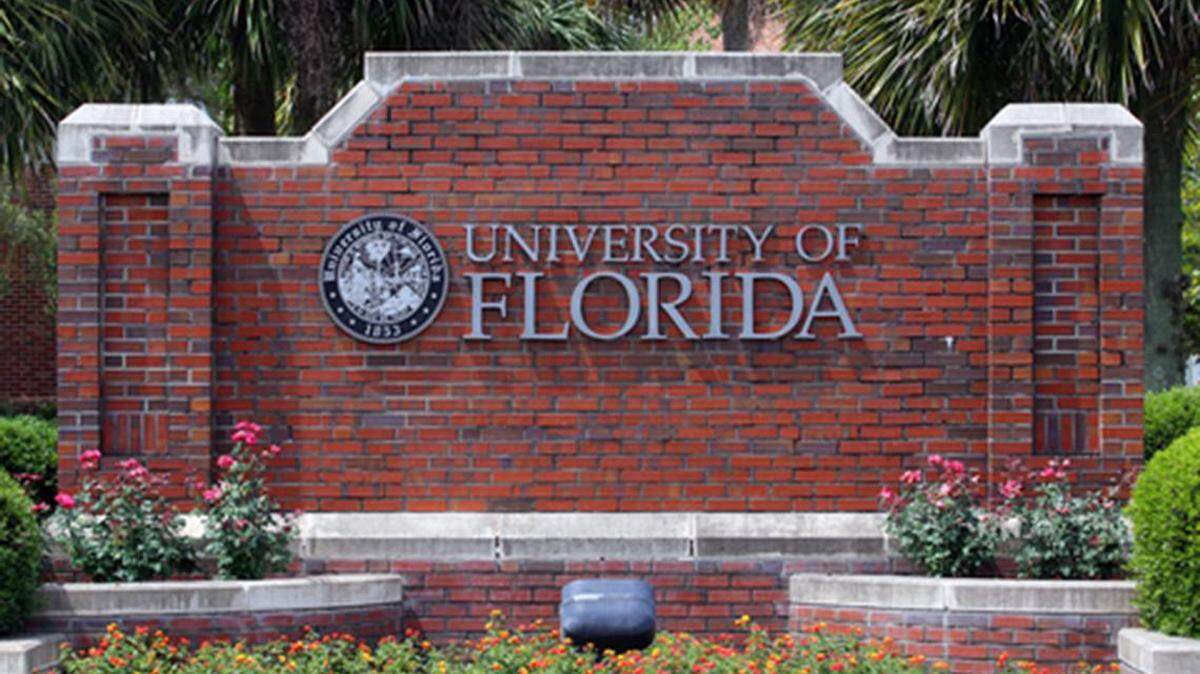
Of course researchers at the University of Florida felt pressured to destroy their COVID-19 data. What were they expecting now that they work in DeSantis-land? Academic freedom? The ability to traffic in the truth? Please.
This once-prestigious jewel in Florida’s State University System has become the muddy political playground for state officials doing Gov. DeSantis’ bidding.
This week, a Faculty Senate committee, created last month after UF barred three political science professors from testifying against the state, heard stories that make one’s blood boil.
And it’s no coincidence that the muzzled researchers and professors were treading dangerously close to debunking some of DeSantis’ claims about COVID, election fraud and race — claims that have fueled Florida Republicans’ efforts to put stumbling blocks in the way of Blacks and others likely vote for Democrats; to ensure the state’s COVID statistics look good, even when they’re not; to justify erasing Black history, Black thought, Black just about anything from syllabi.
Those who spoke to the committee were not named in the report. But their horror stories of feeling pressured to toe a narrow conservative line, while working to broaden the minds of students looking to expand their understanding of the world, should not be dismissed. The stories seem out of a Red Scare history lesson, except instead of trying to purge communists from higher education, Republicans are trying to purge who thinks critically about racism and the dangers of the coronavirus. The report says professors were told not to use the words “race” and “critical” in the same sentence or document — an apparent reference to critical race theory, which Republicans want to ban from universities. At UF Health, there was fear faculty could lose funding if they did not adopt the state’s stance on pandemic regulations in opinion articles.
The stories of feeling pressure — the source of it is unclear — to not anger the governor, to not badmouth him, makes the source a little clearer than it may seem.
A task force convened by the university has reached a different conclusion. It issued its own report, alleging, in part, that “the University of Florida Board of Trustees ensures that the institution is free from undue influence by external persons or bodies through clear and consistently enforced policies and procedures.”
Fine. Now prove it.
BEHIND THE STORY
MOREWhat's an editorial?
Editorials are opinion pieces that reflect the views of the Miami Herald Editorial Board, a group of opinion journalists that operates separately from the Miami Herald newsroom. Miami Herald Editorial Board members are: opinion editor Amy Driscoll and editorial writers Isadora Rangel and Mary Anna Mancuso. Read more by clicking the arrow in the upper right.
What's the difference between an op-ed and a column?
How does the Miami Herald Editorial Board decide what to write about?
The Editorial Board, made up of experienced opinion journalists, primarily addresses local and state issues that affect South Florida residents. Each board member has an area of focus, such as education, COVID or local government policy. Board members meet daily and bring up an array of topics for discussion. Once a topic is fully discussed, board members will further report the issue, interviewing stakeholders and others involved and affected, so that the board can present the most informed opinion possible. We strive to provide our community with thought leadership that advocates for policies and priorities that strengthen our communities. Our editorials promote social justice, fairness in economic, educational and social opportunities and an end to systemic racism and inequality. The Editorial Board is separate from the reporters and editors of the Miami Herald newsroom.
How can I contribute to the Miami Herald Opinion section?
The Editorial Board accepts op-ed submissions of 650-700 words from community members who want to argue a specific viewpoint or idea that is relevant to our area. You can email an op-ed submission to oped@miamiherald.com. We also accept 150-word letters to the editor from readers who want to offer their points of view on current issues. For more information on how to submit a letter, go here.