
Florida’s unemployment system already was a mess. Then came the debt collectors | Editorial
In a rare victory for common sense in Florida, Gov. Ron DeSantis has decided not to pursue what was clearly an unworkable idea right from the start: trying to claw back “overpayments” of unemployment benefits from the state’s workers.
That’s a relief, because the effort was unfair, the process was flawed and the government was to blame for both.
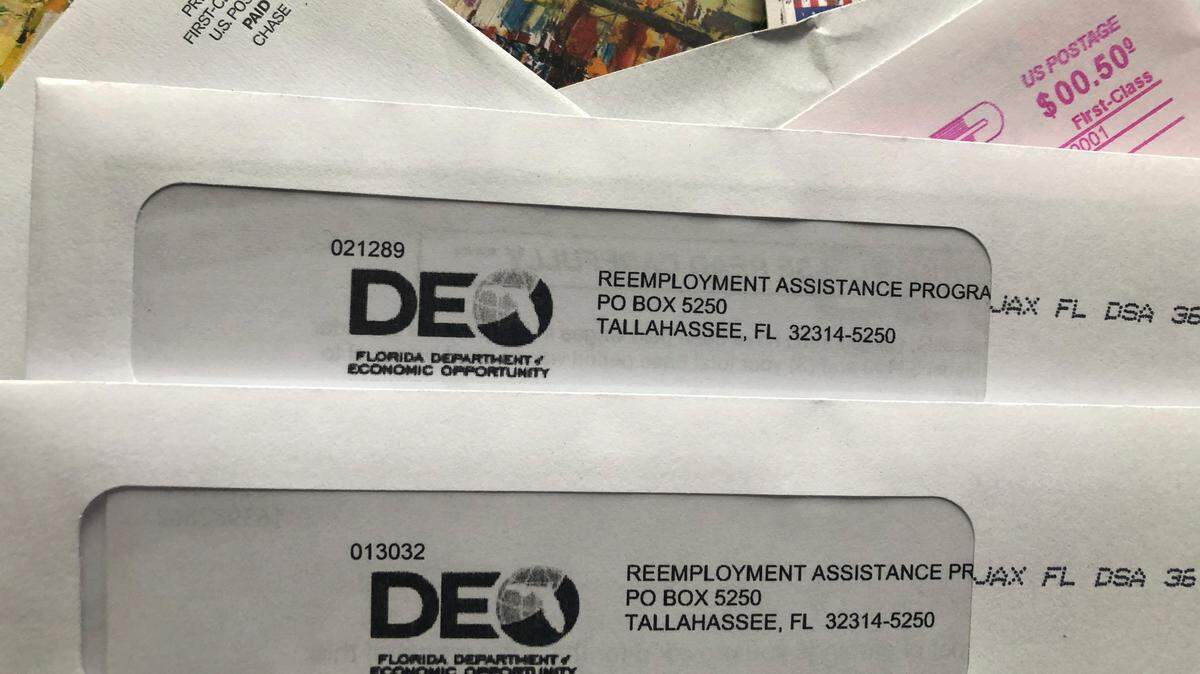
In the past few months, thousands of state residents received jarring notices in the mail warning them that they’d be referred to collection agencies if they didn’t reimburse the state for unemployment benefits sent out in the first 18 months of the COVID pandemic. The notices often didn’t say why the recipient owed the money or how it was calculated. Worse, notices sometimes were sent after the deadline to appeal. And there was little recourse. Calls to the state’s hotline have frequently gone unanswered or unreturned, and appeals — when they can actually be filed — can take months.
How much money?
And, in an indication of just how chaotic Florida’s unemployment benefits process has been in this state, no one seems sure how much money the state was trying to get back. Estimates have run into the billions.
Floridians have been saddled with a dysfunctional unemployment assistance system for years. It was already troubled when the pandemic hit, millions of workers applied for benefits and the system crashed — failing at its most crucial moment.
Given that shaky ground, you might think the state would think twice before sending out stern letters to Floridians demanding money be repaid and threatening to sic debt collectors on workers. And yet, that’s what the state’s Department of Economic Opportunity did.
It was a bad idea piled on top of the existing unemployment mess, and the governor was right to call a halt to it on Friday, when he ordered the state’s jobless agency to stand down.
The DEO, bowing to unpleasant reality, had already said it wouldn’t send any overpayment notices (unless they were related to fraud) to collection agencies before 2023. DeSantis’ action changed that to “indefinitely.” The order applies to state unemployment benefits from March 1, 2020, through Sept. 4, 2021.
As important — especially for the sake of his own re-election campaign — DeSantis also acknowledged that most recipients did nothing wrong. He said the mistakes were due to the state cutting “red tape” and trying to speed up the process to get the money to those who applied.
Ending checks early
That’s nice but don’t forget, DeSantis was also among those governors who decided to cut off federal $300 unemployment checks for Floridians in June, 10 weeks early, in an effort to drive people back into the workforce. The federal money was a supplement to Florida’s pitifully low maximum unemployment benefits of $275 a week. (The state did keep three other federal unemployment programs in place until Labor Day, including one for gig workers.)
And yet, as the Herald reported, Florida businesses are still struggling to find workers and fill about 500,000 jobs.
So bravo, Florida. It’s great news that the governor has ended the state’s misguided push to get citizens to repay money they probably didn’t even owe. It’s certainly the right thing to do for workers. But the state still needs a bigger fix to the state unemployment system. So forgive us if the only applause we can summon up for this small measure is a long, slow clap.
BEHIND THE STORY
MOREWhat's an editorial?
Editorials are opinion pieces that reflect the views of the Miami Herald Editorial Board, a group of opinion journalists that operates separately from the Miami Herald newsroom. Miami Herald Editorial Board members are: opinion editor Amy Driscoll and editorial writers Isadora Rangel and Mary Anna Mancuso. Read more by clicking the arrow in the upper right.
What's the difference between an op-ed and a column?
How does the Miami Herald Editorial Board decide what to write about?
The Editorial Board, made up of experienced opinion journalists, primarily addresses local and state issues that affect South Florida residents. Each board member has an area of focus, such as education, COVID or local government policy. Board members meet daily and bring up an array of topics for discussion. Once a topic is fully discussed, board members will further report the issue, interviewing stakeholders and others involved and affected, so that the board can present the most informed opinion possible. We strive to provide our community with thought leadership that advocates for policies and priorities that strengthen our communities. Our editorials promote social justice, fairness in economic, educational and social opportunities and an end to systemic racism and inequality. The Editorial Board is separate from the reporters and editors of the Miami Herald newsroom.
How can I contribute to the Miami Herald Opinion section?
The Editorial Board accepts op-ed submissions of 650-700 words from community members who want to argue a specific viewpoint or idea that is relevant to our area. You can email an op-ed submission to oped@miamiherald.com. We also accept 150-word letters to the editor from readers who want to offer their points of view on current issues. For more information on how to submit a letter, go here.
This story was originally published October 21, 2021 at 12:28 PM.