
Tackling South Beach, traffic and sea-level rise will take a mayor with experience | Editorial
Despite the earnestness of his opponents, the race to lead Miami Beach is pretty much incumbent Mayor Dan Gelber’s to lose.
No one‘s reelection is ever guaranteed. However, he has the name recognition, the funds — and the track record — that make his reelection seem assured.
Other candidates in the mayor’s race are: Jean Marie Echemendia, manager of a realty firm and an officer of the North Bay Road Homeowners Association; Ronnie Eith, media director of a mortgage servicing firm; Carlos Enrique Gutierrez, who told the Editorial Board that he is an innkeeper, and Gus Manessis, the regional manager of a condominium-management company.
This race comes comes at a time when many locals are fed up with South Beach, once considered the shiny new bubble in the district’s rejuvenation. The days when models strutted, neon flashed on “Miami Vice” and Art Deco hotels oozed their charm to tourists from around the world are gone.
Today’s South Beach has evolved into a rougher, more chaotic, and even violent, scene, associated with phrases like “all-night party” and “anything goes.” Many local Beach residents avoid the place.
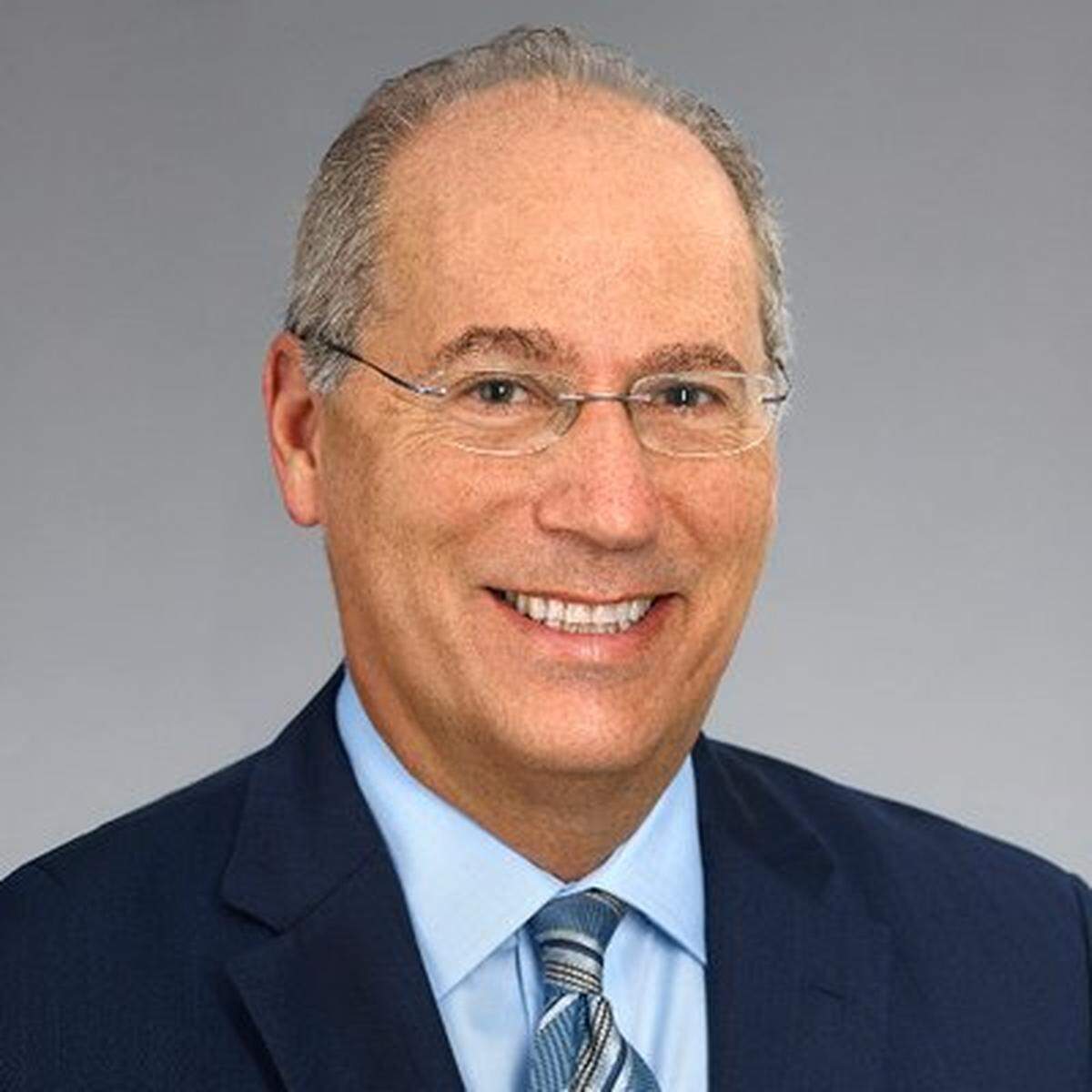
Gelber insists that an arts and culture district is key to South Beach’s overdue maturity and that a 2 a.m. liquor cutoff on the ballot is a crucial first step. It’s a position with which this Editorial Board agrees.
Some of his opponents disagree.
While the mayor is putting his political heft behind a straw ballot item to cut off alcohol sales at 2 a.m. instead of 5 a.m., Echemendia believes the situation needs a more carefully calibrated approach. “It has to be done on a case-by-case basis,” she says.
She thinks an establishment that keeps the party inside should be able to continue to serve liquor. Meanwhile, she says, police must more stringently enforce the laws to prevent out-of-control street partying.
Eith, the media director of a national mortgage company, is dead set against the 2 a.m. cutoff. “Most of our economy is driven by tourism. If we have a 2 a.m. ban, those tourists and that money are going to go across the bridge to Wynwood, to downtown, to Brickell — like we’ve already seen that happening — to Coconut Grove and to the Gables.”
On the issue with crime that the Ocean Drive scene has spawned, Manessis wants law-enforcement to take a zero tolerance, shock-and-awe approach, while Gutierrez envisions an amphitheater with events to keep crowds contained.
While fate of South Beach — Ocean Drive, the clubs, the chaos — has taken up a lot of the oxygen in the race, Gelber has drawn opponents whose concerns speak broadly of residents’ concerns. They bring up sea-level rise, crime and policing, traffic and North Beach development. Yet these candidates bring scant, if any, experience in government and administration. Nor have any executed a deep enough dive into public policy to be considered credible candidates, especially for mayor.
More experience
Gelber, as a former prosecutor, state legislator and, now, mayor, checks all of those boxes. And he has taken seriously the quality of life issues that loom large for residents.
As he seeks his third two-year term, Gelber touts his focus on the effects of climate change on Miami Beach, having brought in the Rockefeller Foundation “to make sure we are doing it the right way,” he told the Board. He said the Beach is following the foundation’s assessment, improving the city’s “blue and green measures,” and notes that “we have the tax base to do it.”
Indeed, it’s the right focus. Miami Beach, bordering the ocean, is the canary in the coal mine for so much of Florida, as it confronts climate change.
Gelber stands behind the police on the Beach while decrying police brutality, such as that on display in the videotaped arrest of Black men in a hotel lobby. He also wants to ensure Black visitors are welcome in the city. “We hope anyone who comes here feels welcome,” he told the Board. “We’ve had a volume of people since the pandemic we’ve never had before. I have to make sure policing is not racially based.”
But, he added, “We don’t want to be welcoming to people coming to make trouble.”
Gelber said that while the police department is in hiring mode to add more officers, he rejects the idea of turning South Beach, particularly Ocean Drive, into a police encampment — a tricky balance to achieve.
Make the case
Gelber is staking his legacy on getting the arts and culture district up and running, at the very least. We would hope that he embraces opponents, dialogue and compromise to make it a reality. There is real and vociferous opposition to the proposed 2 a.m. cut-off of liquor sales. The issue has lost at the ballot box before, and it could again.
Whether the non-binding straw ballot wins or again is rejected, Gelber needs to do a better job of building a coalition to make his worthy vision a reality. He needs to bring together disparate thinkers on this paradigm-shifting issue. So far, he hasn’t sold the vision so much as foisted it on the city.
We think Gelber has the capacity to pull this off without tearing the city apart or turning the issue into an eternal fight. But he’ll succeed only if he does so as a mayor who listens, builds coalition, then, ultimately leads.
The Miami Herald Editorial Board recommends DAN GELBER for Miami Beach mayor.
BEHIND THE STORY
MOREWho decides the political endorsements?
In advance of local and state elections, Miami Herald Editorial Board members interview political candidates, as well as advocates and opponents of ballot measures. The Editorial Board is composed of experienced opinion journalists and is independent of the Herald’s newsroom. Members of the Miami Herald Editorial Board are: Amy Driscoll, editorial page editor; and editorial writers Isadora Rangel and Mary Anna Mancuso. Read more by clicking the arrow in the upper right.
What does the endorsement process look like?
The Miami Herald Editorial Board interviews political candidates to better understand their views on public policy and how their policies will affect their constituents. Board members do additional reporting and research to learn as much as possible about the candidates before making an endorsement. The Editorial Board then convenes to discuss the candidates in each race. Board members seek to reach a consensus on the endorsements, but not every decision is unanimous. Candidates who decline to be interviewed will not receive an endorsement.
Is the Editorial Board partisan?
No. In making endorsements, members of the Editorial Board consider which candidates are better prepared to represent their constituents — not whether they agree with our editorial stances or belong to a particular political party. We evaluate candidates’ relevant experience, readiness for office, depth of knowledge of key issues and understanding of public policy. We’re seeking candidates who are thoughtful and who offer more than just party-line talking points.
This story was originally published October 15, 2021 at 6:00 AM.