
Sending Florida’s police to Texas and Arizona? Try helping us closer to home, Gov. DeSantis | Editorial
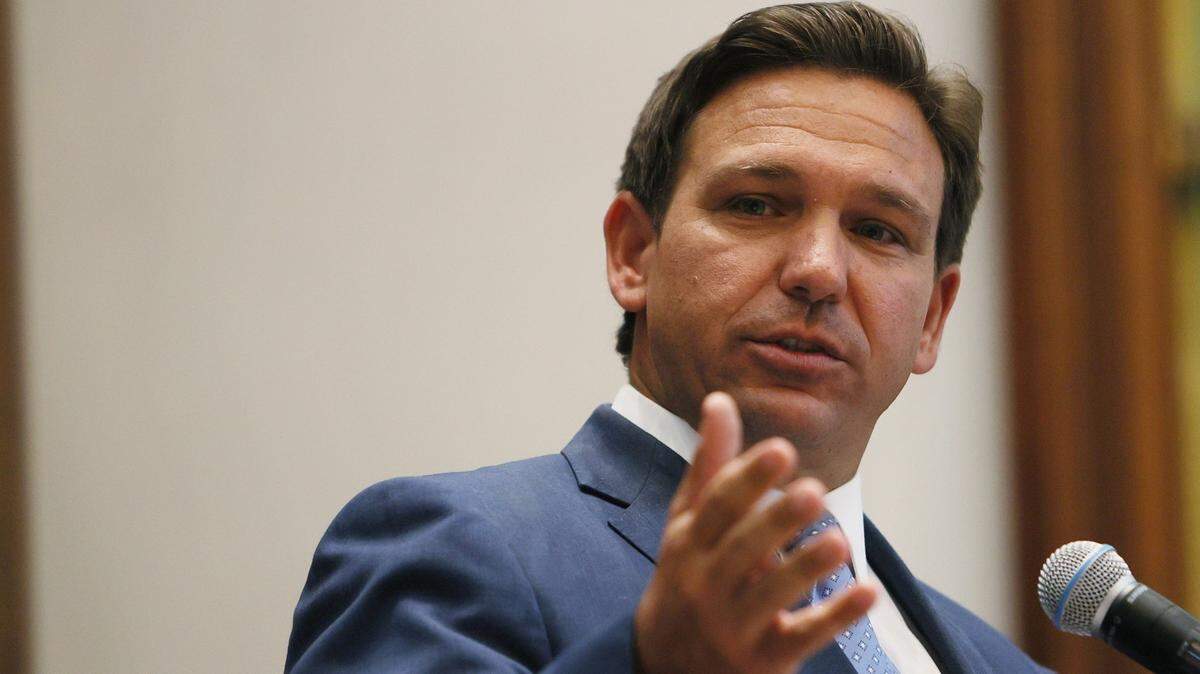
Florida’s governor is sending police to the border. Not Florida’s border. The border in Texas. And the one in Arizona.
His ostensible reason for this attention-grabbing move is to help quell waves of migrants coming from Mexico, the desperate and poor who seek a new life in the United States. When the Republican governors of the two states asked for the help, Gov. Ron DeSantis sprang into action.
“TX @GovAbbott and AZ Governor @DougDucey requested help so they can do what the federal government is either unwilling or unable to do — secure the border and protect Americans,” DeSantis tweeted Thursday. “Florida is stepping up to answer that call.”
Such a noble gesture. We’re sure it has absolutely nothing to do with any presidential aspirations in 2024.
But hold on. Where was all that “stepping up” during the recent spate of gun violence in Miami-Dade County — which is in DeSantis’ very own state? It’s not like he hasn’t been in South Florida, either. When he was in Miami to sign two bills on June 7, a week after the massing shooting at El Mula Banquet Hall that killed three people and injured at least 22, DeSantis didn’t address the issue. And on June 14, he was in Surfside to sign another bill, but didn’t use that opportunity to talk about stemming the violence, either.
In fact, he’s gone in the other direction. On Tuesday, after a Cabinet meeting in Tallahassee, he was asked about violent crime, particularly in South Florida, and he blamed local government: “The areas where you’re seeing massive increases in crime, almost invariably they’ve adopted either soft-on-crime policies or turned their back on law enforcement.”
He insisted that helping prevent illegal immigration will help Florida by reducing crime in the state. That’s quite a stretch.
Or maybe this move is actually about the fact that Miami-Dade’s mayor is Daniella Levine Cava. The position is non-partisan, but she is a Democrat.
“The governor has yet to reach out following the tragedy at El Mula Banquet Hall and other shootings just weeks ago,” Levine Cava told the Editorial Board Thursday through a spokeswoman. “I welcome the opportunity to update him on the robust enforcement and prevention strategies we’re deploying in Miami-Dade, and how we can partner with the state on policies to prevent gun violence, get firearms out of the hands of criminals and keep all of our communities safe.”
We asked the governor’s office for comment, but did not get a response.
Levine Cava urged DeSantis to support the county’s strategies to reduce gun violence, including the expanded enforcement effort called Operation Summer Heat.
The troops — er, police officers — that DeSantis is shipping out to the borders of states that aren’t Florida will include representatives from the Florida Department of Law Enforcement, the Florida Highway Patrol and the Fish and Wildlife Conservation Commission, as well as from the sheriff’s offices in Brevard, Escambia, Hillsborough, Holmes, Lee, Okaloosa, Pasco, Santa Rosa and Walton counties, according to the Orlando Sentinel.
No word yet on who exactly will be paying for this or how, but we’re guessing it’ll be the good ‘ol taxpayers who get stuck with the bill. Will that money be pulled from existing law-enforcement budgets? And, irony of ironies, would that be considered defunding the police, as state Rep. Carlos Guillermo Smith, D-Orlando, suggested?
We understand states sometimes must help each other. Maybe this is a true emergency, although that seems far-fetched. But the governor’s lack of attention and help during spikes of violence in South Florida — as he sends police to other states — is disturbing, sad and short-sighted. People in South Florida pay taxes for protection, too, after all.
Before sending law enforcement resources off to other states, the governor needs to help closer to home.
BEHIND THE STORY
MOREWhat's an editorial?
Editorials are opinion pieces that reflect the views of the Miami Herald Editorial Board, a group of opinion journalists that operates separately from the Miami Herald newsroom. Miami Herald Editorial Board members are: opinion editor Amy Driscoll and editorial writers Isadora Rangel and Mary Anna Mancuso. Read more by clicking the arrow in the upper right.
What's the difference between an op-ed and a column?
How does the Miami Herald Editorial Board decide what to write about?
The Editorial Board, made up of experienced opinion journalists, primarily addresses local and state issues that affect South Florida residents. Each board member has an area of focus, such as education, COVID or local government policy. Board members meet daily and bring up an array of topics for discussion. Once a topic is fully discussed, board members will further report the issue, interviewing stakeholders and others involved and affected, so that the board can present the most informed opinion possible. We strive to provide our community with thought leadership that advocates for policies and priorities that strengthen our communities. Our editorials promote social justice, fairness in economic, educational and social opportunities and an end to systemic racism and inequality. The Editorial Board is separate from the reporters and editors of the Miami Herald newsroom.
How can I contribute to the Miami Herald Opinion section?
The Editorial Board accepts op-ed submissions of 650-700 words from community members who want to argue a specific viewpoint or idea that is relevant to our area. You can email an op-ed submission to oped@miamiherald.com. We also accept 150-word letters to the editor from readers who want to offer their points of view on current issues. For more information on how to submit a letter, go here.
This story was originally published June 17, 2021 at 2:15 PM.