
Rubio calls it “crazy nonsense.” To Black and brown people, health inequity is dead serious | Editorial
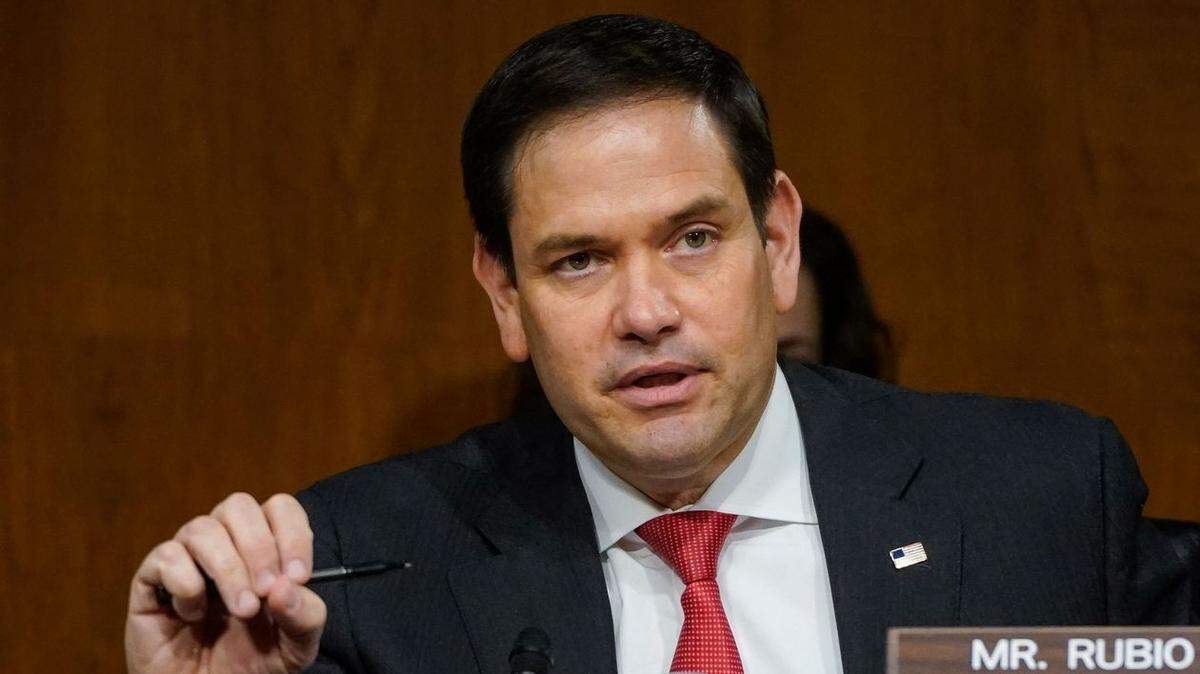
In one short tweet Tuesday, Florida’s senior senator, Marco Rubio, managed to dismiss the idea that racial and social inequities exist in healthcare in this country.
And he did it during a pandemic that has disproportionately harmed minorities. Talk about tone deaf — and hurtful.
“The American Medical Association has fallen victim to the pandemic of crazy nonsense,” he wrote, as he retweeted an article by the AMA about how the organization plans to address racism and social justice in medicine.
Of course, it’s all part of the culture wars and his attempt to recast himself from unsuccessful presidential candidate to warrior against the “woke” as he faces a potentially competitive reelection contest next year. Apparently, he’s even trying to create a 2.0 version of Republicans’ attacks on Democrats as socialists — which succeeded among many voters in Miami-Dade County — except for 2024 he’s going after Communist China, with his campaign sending targeted emails to specific anti-China voters, according to Axios.
Higher rates of infection
But the idea of inequities in medicine is not some wild — or even new — idea, despite Rubio’s flippant Twitter rejection. Inequities have dogged the medical community for years and became even more apparent in the COVID-19 pandemic, when more Black, Hispanic and Asian people had higher rates of infection, hospitalization and death than white people.
Access to healthcare, good insurance, transportation to the doctor, underlying conditions, lower socioeconomic status — all of these things play a role in who gets medical attention and who has delayed care or none at all.
And that’s true not just during pandemic times. For years, maternal mortality rates for Black women have been higher than for whites — two to three times higher, according to the U.S. Centers for Disease Control and Prevention. Congress, of which Rubio is a part, has even taken up the issue as part of a package of legislation nicknamed the “Momnibus.”
This from a leader?
Of course, expanding Medicaid under the Affordable Care Act might help with that, with one study finding that states with expanded Medicaid eligibility had lower maternal mortality rates compared to non-expansion states. But Florida’s GOP-led government has repeatedly refused to expand Medicaid.
Florida’s own Republican House Speaker, Chris Sprowls, issued a statement last week in an Orlando Sentinel story about Medicaid saying he didn’t want to expand it but that he “expressed a strong desire to address disparities in maternal healthcare for low-income women.” That’ll be Black and brown women he’s talking about.
And yet, despite all of that, Rubio couldn’t resist the urge to try to score cheap political points on social media with a quip about a deadly serious topic: inequities in medical care. Is that really the kind of senator we want?
BEHIND THE STORY
MOREWhat's an editorial?
Editorials are opinion pieces that reflect the views of the Miami Herald Editorial Board, a group of opinion journalists that operates separately from the Miami Herald newsroom. Miami Herald Editorial Board members are: opinion editor Amy Driscoll and editorial writers Isadora Rangel and Mary Anna Mancuso. Read more by clicking the arrow in the upper right.
What's the difference between an op-ed and a column?
How does the Miami Herald Editorial Board decide what to write about?
The Editorial Board, made up of experienced opinion journalists, primarily addresses local and state issues that affect South Florida residents. Each board member has an area of focus, such as education, COVID or local government policy. Board members meet daily and bring up an array of topics for discussion. Once a topic is fully discussed, board members will further report the issue, interviewing stakeholders and others involved and affected, so that the board can present the most informed opinion possible. We strive to provide our community with thought leadership that advocates for policies and priorities that strengthen our communities. Our editorials promote social justice, fairness in economic, educational and social opportunities and an end to systemic racism and inequality. The Editorial Board is separate from the reporters and editors of the Miami Herald newsroom.
How can I contribute to the Miami Herald Opinion section?
The Editorial Board accepts op-ed submissions of 650-700 words from community members who want to argue a specific viewpoint or idea that is relevant to our area. You can email an op-ed submission to oped@miamiherald.com. We also accept 150-word letters to the editor from readers who want to offer their points of view on current issues. For more information on how to submit a letter, go here.
This story was originally published June 15, 2021 at 5:14 PM.