
Another murder suspect let loose? We’re starting to wonder about Miami-Dade Corrections | Editorial
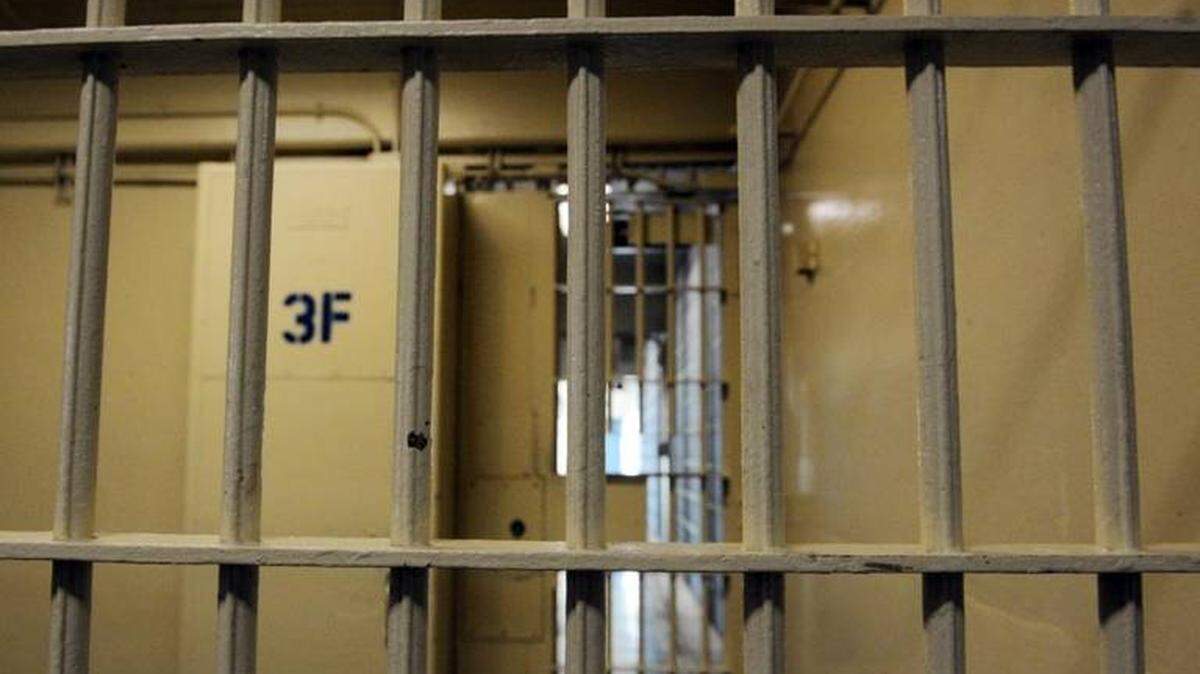
In another embarrassing — and potentially dangerous — blunder, the Miami-Dade Corrections and Rehabilitation Department accidentally let a man charged with murder out of jail last week, as reported by the Miami Herald. He was on the run in our community for two days before he was located.
That’s the second time in less than a month that a suspected murderer under the department’s supervision was allowed to wander the streets unfettered.
In May, it was Joshua Burgos, 29. He was supposed to be on strict house arrest. Even though he was charged with murder, carjacking and arson, Burgos managed to travel all over South Florida for a year, from Miami’s Midtown to Islamorada, without anyone notifying the judge that he had violated the conditions of his house arrest hundreds of times. The judge in that case was rightfully irate, saying she found the situation “offensive.”
And yet now we have the case of Bobby Whipple.
Whipple, 50, was supposed to be jailed while awaiting trial after his 2020 arrest for second-degree murder. Miami-Dade Corrections, though, released him from jail at the conclusion of a simultaneous 30-day sentence for contempt of court. He was re-arrested Thursday after Corrections discovered the error.
“Our review of the circumstances surrounding this inmate release is ongoing, to include a full internal investigation. Due to the on-going nature of the investigation, no further comment can be made at this time,” the department said.
That’s pretty much the same thing the department said last month in the Burgos case. A Corrections lawyer at the time promised an “administrative review” of the house-arrest program.
We know the two cases are somewhat different. One involved egregious violations of the house-arrest program, while the other was an actual mistaken release from jail. In the end, though, the result is the same: two men who were supposed to be supervised by the Corrections Department on the loose among us. Are there other cases we don’t know about? How many people were potentially put in danger because of similar lapses?
We know investigations take time, but where is the urgency by the Corrections Department on this base-line public-safety issue? These are serious and scary lapses, but we hear nothing from the department that sounds a corresponding note of alarm.
The people of South Florida deserve a fast and full explanation of what happened. And that needs to include whether any employees will be disciplined and what safeguards are being put in place to prevent more of these incidents.
BEHIND THE STORY
MOREWhat's an editorial?
Editorials are opinion pieces that reflect the views of the Miami Herald Editorial Board, a group of opinion journalists that operates separately from the Miami Herald newsroom. Miami Herald Editorial Board members are: opinion editor Amy Driscoll and editorial writers Isadora Rangel and Mary Anna Mancuso. Read more by clicking the arrow in the upper right.
What's the difference between an op-ed and a column?
How does the Miami Herald Editorial Board decide what to write about?
The Editorial Board, made up of experienced opinion journalists, primarily addresses local and state issues that affect South Florida residents. Each board member has an area of focus, such as education, COVID or local government policy. Board members meet daily and bring up an array of topics for discussion. Once a topic is fully discussed, board members will further report the issue, interviewing stakeholders and others involved and affected, so that the board can present the most informed opinion possible. We strive to provide our community with thought leadership that advocates for policies and priorities that strengthen our communities. Our editorials promote social justice, fairness in economic, educational and social opportunities and an end to systemic racism and inequality. The Editorial Board is separate from the reporters and editors of the Miami Herald newsroom.
How can I contribute to the Miami Herald Opinion section?
The Editorial Board accepts op-ed submissions of 650-700 words from community members who want to argue a specific viewpoint or idea that is relevant to our area. You can email an op-ed submission to oped@miamiherald.com. We also accept 150-word letters to the editor from readers who want to offer their points of view on current issues. For more information on how to submit a letter, go here.
This story was originally published June 7, 2021 at 2:07 PM.