
As Florida obscures history’s ugly side, Herbert Karliner bravely looked it right in the eye | Editorial
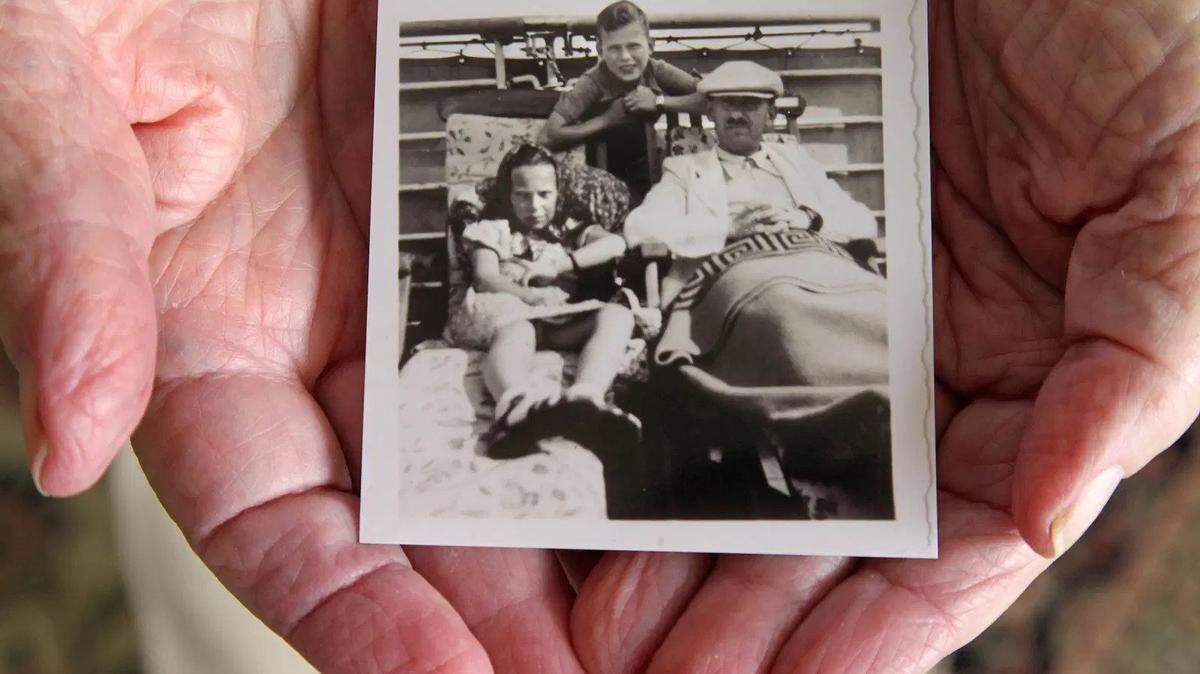
Herbert Karliner was aboard the “Voyage of the Damned.” But he escaped the fate of many other passengers who were trying to flee the Nazis, but, ultimately could not.
Karliner survived and, as a tribute to fellow passengers, educated South Floridians about the Holocaust, making this a richer, better-informed community.
Karliner, who died Tuesday at 94 at his Aventura home was an extraordinary human being who made sure that the people of this glorious nation also faced up to the damage done in turning away the S.S. St. Louis in 1939.
Karliner was just 12. His family was among almost 1,000 refugees, boarding the ship in Germany to escape the Nazis. Final destination? Cuba — they thought.
“Well, when we got to Havana, naturally the Cuban government wouldn’t let us in — because of political reasons,” Karliner said in an interview for the book of oral histories “Miami: In Our Own Words,” published by the Miami Herald in 1995. “The first Spanish word I learned was mañana.”
But the United States would not admit them, either, even after Jewish leaders implored the president to let them in. And from the ship, Karliner said, “We sent a telegram, to President Roosevelt . . . no answer. Sent a telegram to Mrs. Roosevelt to let the children in, No answer, either.”
The “Voyage of the Damned” returned to Europe. Many of the refugees, including Karliner’s parents, faced certain death, even after France admitted them. Karliner and his brother survived, though. He swore he would return to the place where he could see lush palm trees, but never got to touch them.
Once in Miami, Karliner became a baker by profession — and an educator by choice, sharing from his deep well of knowledge the depths of depravity to which fellow human beings had plummeted and acknowledging its enduring impact on contemporary life – especially on Holocaust survivors and their families. He did not shrink from the awfulness of it all, and his listeners, no doubt, did not, either, grateful for the painful enlightenment.
In Florida, a state whose politics of denial are making harder to teach and to learn about our nation’s sometimes vicious historical realities — and the ways they continue to impact society — Karliner’s demand that we look the bad square in the eye is his enduring gift to this community.
BEHIND THE STORY
MOREWhat's an editorial?
Editorials are opinion pieces that reflect the views of the Miami Herald Editorial Board, a group of opinion journalists that operates separately from the Miami Herald newsroom. Miami Herald Editorial Board members are: opinion editor Amy Driscoll and editorial writers Isadora Rangel and Mary Anna Mancuso. Read more by clicking the arrow in the upper right.
What's the difference between an op-ed and a column?
How does the Miami Herald Editorial Board decide what to write about?
The Editorial Board, made up of experienced opinion journalists, primarily addresses local and state issues that affect South Florida residents. Each board member has an area of focus, such as education, COVID or local government policy. Board members meet daily and bring up an array of topics for discussion. Once a topic is fully discussed, board members will further report the issue, interviewing stakeholders and others involved and affected, so that the board can present the most informed opinion possible. We strive to provide our community with thought leadership that advocates for policies and priorities that strengthen our communities. Our editorials promote social justice, fairness in economic, educational and social opportunities and an end to systemic racism and inequality. The Editorial Board is separate from the reporters and editors of the Miami Herald newsroom.
How can I contribute to the Miami Herald Opinion section?
The Editorial Board accepts op-ed submissions of 650-700 words from community members who want to argue a specific viewpoint or idea that is relevant to our area. You can email an op-ed submission to oped@miamiherald.com. We also accept 150-word letters to the editor from readers who want to offer their points of view on current issues. For more information on how to submit a letter, go here.
This story was originally published June 5, 2021 at 10:48 PM.