Police oversight gets a holiday; Miami-Dade commissioners are to blame | Editorial
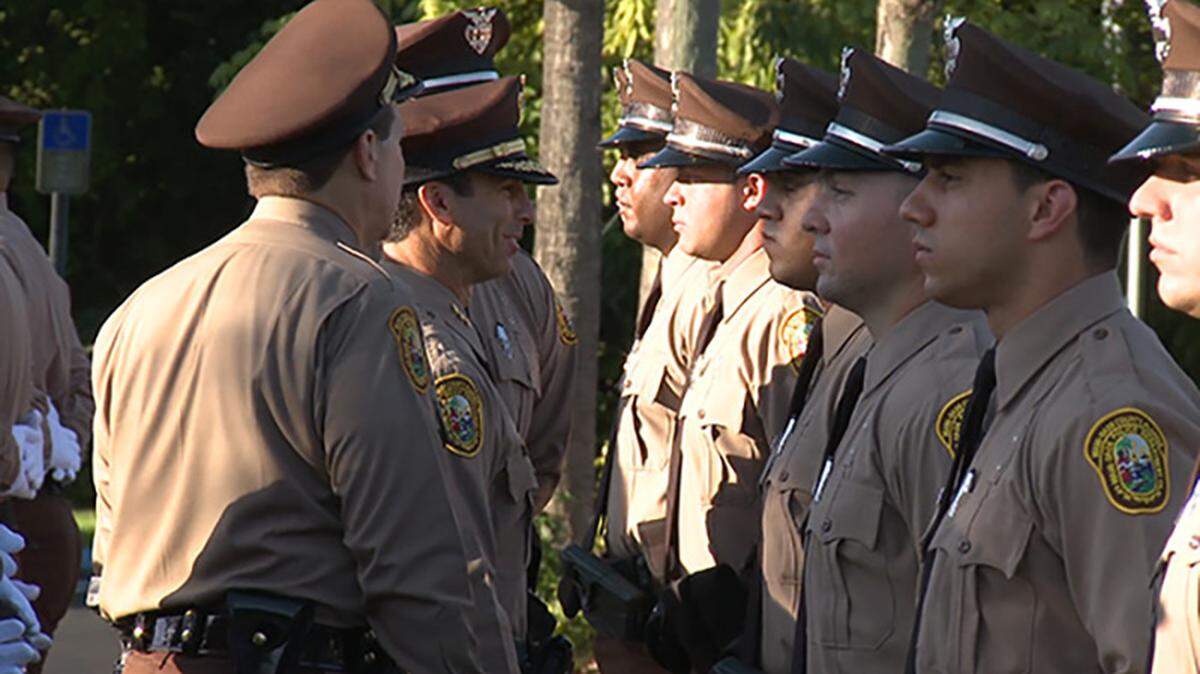
The mission is critical, but the progress unacceptably slow. Miami-Dade’s new Independent Civilian Panel will hold its first meeting in July. Or maybe August. Whatever. It will be months later than expected.
Tuesday, county commissioners should address the sluggish pace in getting the panel up and running — especially because they’re largely to blame for the holdup. Residents need the panel to get down to the serious business of hearing their complaints about encounters with police. Mayor Daniella Levine Cava has said she’s “disappointed” at the pace so far.
The revitalization of this panel is crucial. For the first time in 12 years, a group of citizens will listen to and determine the veracity of citizens’ complaints against the treatment they have received from county police officers. Bad policing needs public airing. A similar panel was disbanded in 2009 when funding was discontinued.
Needless to say, after the murder of George Floyd by Minneapolis police at this time last year, this panel’s work is highly anticipated, a sign of change — as long as county leaders are sincerely committed to it. Not to mention that taxpayers are footing about $740,000 for the panel’s creation.
So what’s the holdup in appointing 13-panel members and holding public meetings?
Too many attorneys, for one.
Each of the 13 Miami-Dade commissioners must name one person for the panel. Five of them have selected attorneys. That’s three too many because the ordinance that created the panel limits the number of panel members from a single profession to two.
Commissioners Oliver Gilbert, Keon Hardemon, Kionne McGhee, Sally Heyman and Danielle Cohen Higgins will have to fight it out to get their attorney appointees on the panel. Only two attorneys will make it.
Here’s how the matter will be settled, according to the county Office of Community Advocacy: “In the event, three or more commissioners submit the names of three or more proposed appointees who have the same or similar professions or backgrounds the commissioner will have to (1) appoint another individual, (2) reconsider the other applicants submitted to them for consideration by the nominating committee, or (3) reopen the selection process.
All this means is that the selection of these members will have to be kicked back to commissioners who will then have to fight it out. This spells further delay.
Additionally, one commissioner named an elected official for the panel. That’s also against the rules, and the county attorney may have to weigh whether that pick warrants an exception.
And that’s not all. Some commissioners haven’t even selected their representative for the panel.
Commissioners must pay particular attention to the panel at this crucial stage of its creation and make a concentrated effort to get it off the ground. This panel is not the place to park cronies or elected officials if the rules prohibit it. Its important work should not be held up because commissioners have been derelict in naming an appointee. And background checks by the county should be speedier.
Commissioners should ensure that young residents and community activists have a place at this table. They, too, can be “experts” in police behavior and give the police review panel credence. A look at the list of those appointed so far reveals a preponderance of mainstream, establishment types, with experiences that might be far removed from those endured by complainants.
Over the years, just about every current county commissioner has assured the Editorial Board during its candidate interviews that they wanted to serve the people.
Why, then, when it comes to the Independent Civilian Panel, are they failing to do so?
As of this writing, public records show a partial list of prospective members tentatively named to the Independent Civilian Panel:
District 1:
Commissioner Oliver Gilbert has appointed Loreal Arscott, owner of the Miami-based L.A. Law Firm. She was a former assistant city attorney for Miami Gardens.
District 2:
Commissioner Jean Monestime has not appointed anyone, according to the county.
District 3:
Commissioner Keon Hardemon appointed Ruben Paillere, a Miami attorney with the law firm of Cole Scott and Kissane.
District 4:
Commissioner Sally Heyman has appointed Pamela Perry, a Coral Gables attorney specializing in alternative dispute resolution and criminal law.
District 5:
Commissioner Eileen Higgins has appointed Eduardo Dominguez, a bank executive.
District 6:
Commissioner Rebeca Sosa has appointed Jeannett Slesnick, a real estate agent who has run for mayor of Coral Gables.
District 7:
Commissioner Raquel Regalado has not appointed anyone yet, according to the county. Regalado told the Herald she is waiting for the background check on her nominee to be completed.
District 8:
Commissioner Danielle Cohen Higgins has appointed Crystal Wagar, an attorney and former mayor of Miami Shores. But she remains a council member in the Shores, which is a problem. County ordinances might not allow elected officials to serve on county boards except in limited circumstances. A county attorney may make the final decision here.
District 9:
Commissioner Kionne McGhee appointed Joshua R. Jones, a Miami personal injury attorney.
District 10:
Commissioner Javier Souto has unofficially appointed Christian Aquino, who works for an engineering firm; official paperwork not finalize on his appointment.
District 11:
Commissioner Joe A. Martinez has appointed Raymond Melcon, a retired Miami-Dade police major.
District 12:
Chairman Jose “Pepe” Diaz has appointed Luis Fernandez, a former Miami-Dade detective and security expert.
District 13:
Commissioner Rene Garcia has appointed Clemente Vera, a construction executive.
Clarification:
In an earlier version of this article, incomplete Miami-Dade county records incorrectly reflected that Miami-Dade Commissioner Kionne McGhee had not appointed a member to the Independent Civilian Panel. McGhee has named Miami attorney Joshua A. Jones to the panel.
BEHIND THE STORY
MOREWhat's an editorial?
Editorials are opinion pieces that reflect the views of the Miami Herald Editorial Board, a group of opinion journalists that operates separately from the Miami Herald newsroom. Miami Herald Editorial Board members are: opinion editor Amy Driscoll and editorial writers Isadora Rangel and Mary Anna Mancuso. Read more by clicking the arrow in the upper right.
What's the difference between an op-ed and a column?
How does the Miami Herald Editorial Board decide what to write about?
The Editorial Board, made up of experienced opinion journalists, primarily addresses local and state issues that affect South Florida residents. Each board member has an area of focus, such as education, COVID or local government policy. Board members meet daily and bring up an array of topics for discussion. Once a topic is fully discussed, board members will further report the issue, interviewing stakeholders and others involved and affected, so that the board can present the most informed opinion possible. We strive to provide our community with thought leadership that advocates for policies and priorities that strengthen our communities. Our editorials promote social justice, fairness in economic, educational and social opportunities and an end to systemic racism and inequality. The Editorial Board is separate from the reporters and editors of the Miami Herald newsroom.
How can I contribute to the Miami Herald Opinion section?
The Editorial Board accepts op-ed submissions of 650-700 words from community members who want to argue a specific viewpoint or idea that is relevant to our area. You can email an op-ed submission to oped@miamiherald.com. We also accept 150-word letters to the editor from readers who want to offer their points of view on current issues. For more information on how to submit a letter, go here.
This story was originally published May 29, 2021 at 12:19 PM.