
Ezell Finklea told police what he knew. He feared injustice more than the danger he faced.
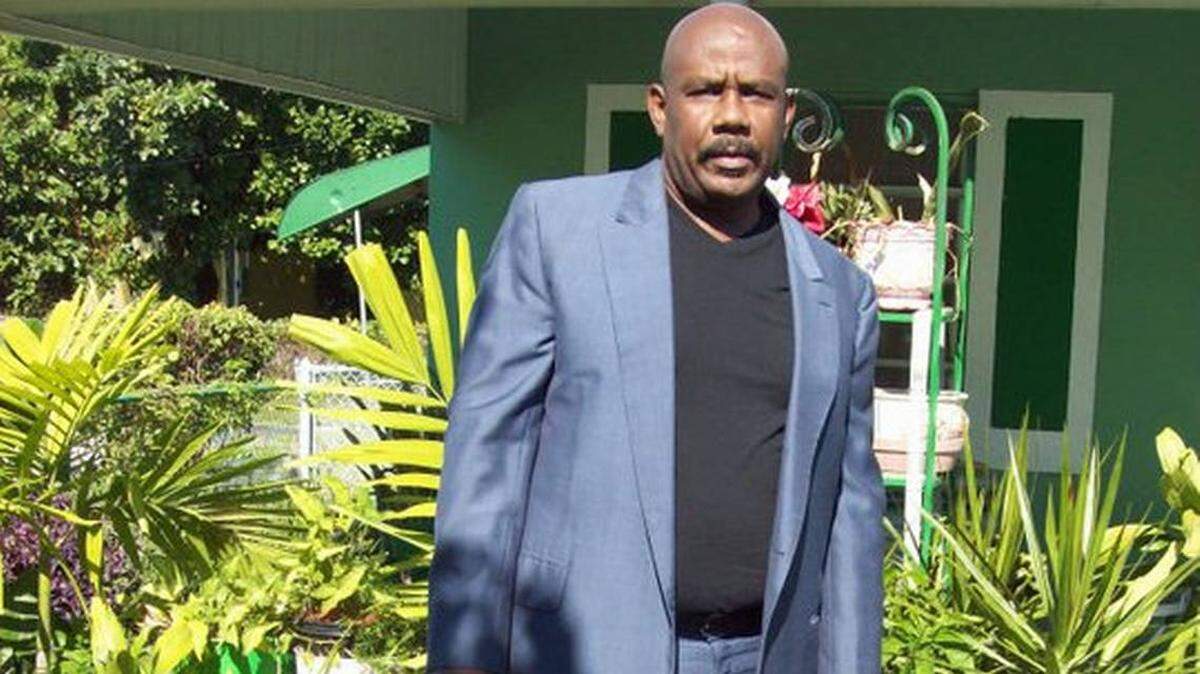
We write in tribute to a man who did what so many people in neighborhoods where gunshots ring out are rightly afraid to do.
Ezell Finklea didn’t just do the right thing, he did the heroic thing.
And it’s likely that he was killed because he did.
In 2012, a man named Jazzmon Parker was shot to death along Northwest 63rd Street in Liberty City. Finklea, who was working outdoors, saw him get killed. He saw who did it — his neighbor Julio Morris, he told police.
Finklea was scheduled to testify this week at Morris’ murder trial. Getting to this point, almost seven years after the shooting has been a protracted process. Along the way, Finklea was beaten up and stabbed, allegedly by Morris and an accomplice in his own home. Morris’ cousin was charged with witness tampering after threatening Finklea. The cousin, Deron Morris, served 364 days in jail.
Through it all, Finklea testified at hearings and depositions, unintimidated. He made one concession, temporarily, to protect himself. He agreed to take part in a witness-protection program run by Miami-Dade State Attorney Katherine Fernandez Rundle. He relocated from his longtime Liberty City home, only to return because it was, well, home. This program, by the way, is pathetically underfunded, leaving people in danger and undercutting the chances of getting killers off the streets. The state must do better.
On Saturday, as Finklea and his friend Ira Williams were driving home after picking up a meal, a gunman fired into their car. Both Finklea and Williams were killed.
It was a brazen and horrific crime.
It falls to law enforcement to double down, connect the dots and confirm what looks so tragically obvious. We cannot tolerate witnesses being silenced this way. Finklea’s death is a devastating blow, of course, to the friends and family and neighbors who knew him. It’s a blow, too, to the murder trial, which Judge Alberto Milian has put on hold until March. Prosecutors say they can salvage a guilty verdict from Finklea’s prior testimony given since 2012.
But Saturday’s murders also affirm that anyone who — from the relative safety of their own comfortable living rooms — scoffs at the no-snitching policy in troubled neighborhoods doesn’t get it. The fear is real — and so is the blood that’s spilled. The consequences of telling what you know can be a death-defying act.
Of course, some of the most vocal pushback against such silence comes from violence-beleaguered residents themselves. They’ve experienced the losses directly, they plead for their neighbors to talk to police — while understanding why people do not.
And that’s why Ezell Finklea died a hero.