
I worked for Sen. Lindsey Graham. Here’s what his death revealed about this country | Opinion
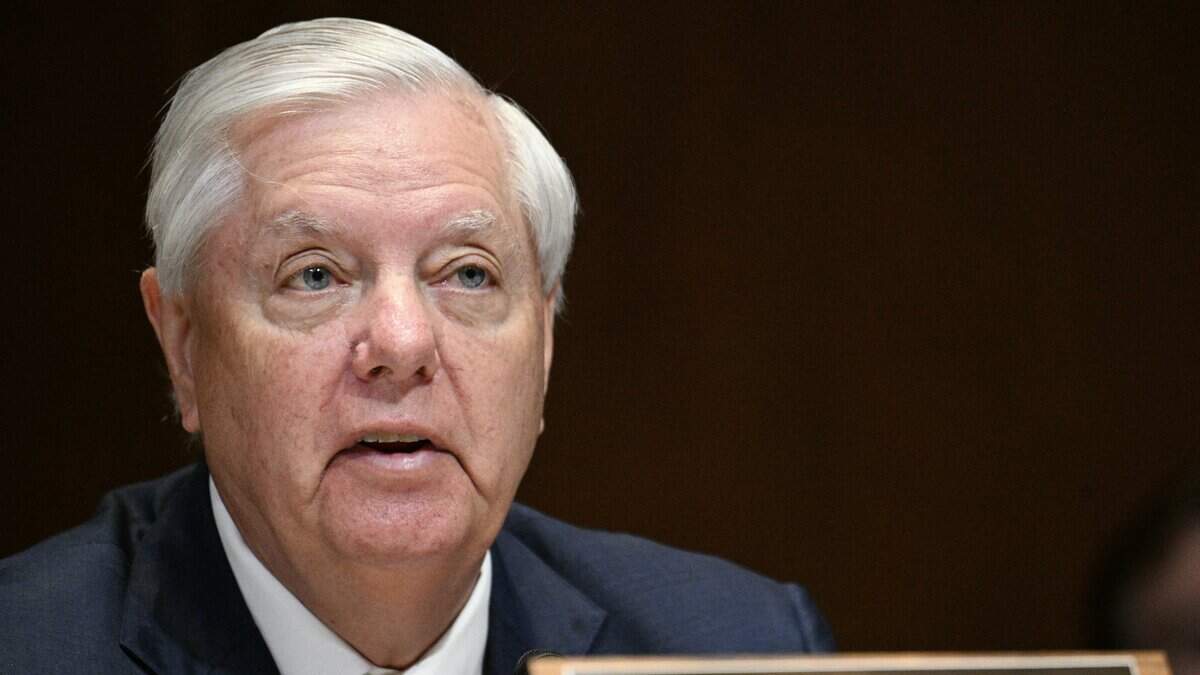
On Sunday, I woke to the news that my former boss, Sen. Lindsey Graham, had suddenly passed away.
Within hours, his death had become another tribal, online event, with some on social media mocking him while others celebrated his passing or repeated conspiracy theories that he’d been poisoned. There were comments on my own Threads post remembering him, with at least one commenter saying Graham “was a traitor and so are you.”
His political colleagues were more measured. Former Sen. Kamala Harris and others offered condolences despite their political differences. President Donald Trump, who once leaked Graham’s cell phone number and last December blamed actor Rob Reiner’s murder on Trump Derangement Syndrome, called him a “true American patriot.”
Two different reactions online. A sitting U.S. senator died, and the first question wasn’t how to remember him, but how to use him. Graham’s death tells us more about who’ve we become than it does about the man himself.
I knew Graham, a South Carolina Republican, when he was running against Trump for president. I worked on his 2016 presidential campaign, the last Republican campaign I worked on before joining pro-democracy organizations. My job was to run Graham’s social media, which meant months of listening to his interviews, sharpening his message and handling rapid responses during debates.
I believed in Graham and what he stood for. He described his own life as proof of the American dream. Raised in the back of his family’s liquor store, he was the first in his family to go to college and when his parents died while he was in school at the University of South Carolina, he took care of his younger sister, eventually becoming her legal guardian.
While speaking at the Republican Party of Florida’s Sunshine Summit in 2015, he said, “Can you go from the back of a liquor store to the Senate? Yes. Can you go from the back of the liquor store to the White House? I don’t know.”
At the time, I thought the answer might be yes.
I agreed with Graham on a lot, including America’s role in the world and our nation’s foreign policy approach. We agreed on Trump, too, until we didn’t.
In May 2016, the same day Sen. Ted Cruz, R-Texas, suspended his presidential campaign, making Trump the de facto nominee, Graham posted on X: “If we nominate Trump, we will get destroyed ... and we will deserve it.”
Then Trump won. Graham chose proximity to power over the convictions he had publicly expressed. Watching his transformation was disappointing.
But Graham wasn’t a monster. He was human. He made choices I believe were wrong. We should expect better from our elected officials, but sometimes they fall short.
As humans, we want public figures to be heroes or villains, saints or sinners. If someone changes, we invent conspiracy theories to explain it. If they disappoint us, we decide they’ve always been bad. When they die, we rush to either canonize them or dance on their grave.
The possibility that someone could be admirable in one chapter of life and disappointing in another rarely survives our partisan instincts.
I disagreed with some of the choices Graham made after I worked with him. But honesty requires acknowledging both the good and the bad parts of a person’s life.
Graham’s legacy deserves that kind of honesty. If we can’t grant that to people we disagree with politically, then we’ve lost something far more important than a political argument. We’ve lost sight of each other’s humanity.
Mary Anna Mancuso is a member of the Miami Herald Editorial Board. Her email: mmancuso@miamiherald.com