
A ‘Trump lawyer’ picked as dean of FIU Law could pay off big | Opinion
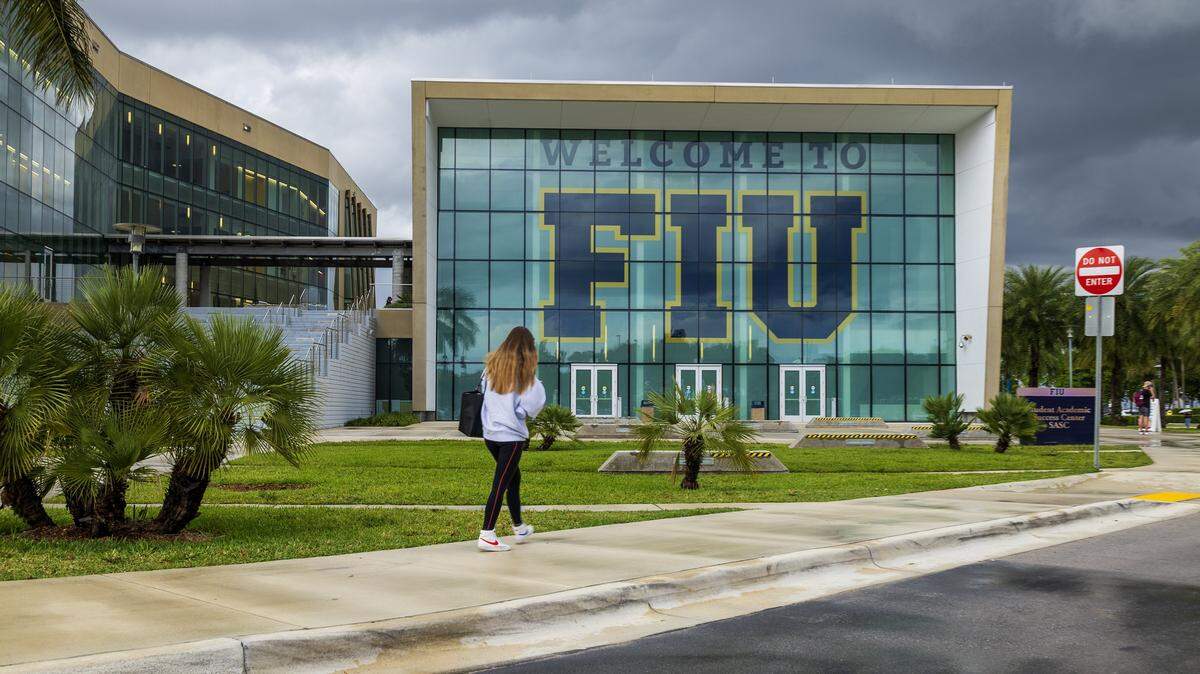
Florida International University’s choice of Daniel Epstein as interim dean for its College of Law shouldn’t be judged on his political affiliations.
The reaction from some faculty members has focused on the way Epstein was hired and his conservative credentials, including his work as an attorney for President Donald Trump and his leadership role at the conservative nonprofit America First Legal — a public interest organization founded by Stephen Miller, a top Trump political advisor.
It’s understandable why the faculty would be upset over the search process — the Miami Herald reported Epstein wasn’t a finalist in the search — but those concerns miss what matters. Universities hire leaders to build strong institutions, not referee political debates.
A law school dean is more than an academic administrator. The job requires recruiting exceptional students and faculty, raising millions in private support, building relationships with employers and creating opportunities that give graduates a competitive edge outside the classroom. Those are the metrics that will define Epstein’s success, not his political ideology.
Epstein seems to understand that assignment. In a cover letter, obtained by the Miami Herald, he outlined an ambitious vision for FIU — top 35 national rankings in five years, elite firm placement, federal clerkships and serious fundraising. These are the goals of nearly all competitive law schools, not radical ideas to dismantle an institution.
One conservative dean at one Florida law school doesn’t represent a crisis in higher education. If anything, it signals a welcome shift toward something universities often claim to value but rarely practice: intellectual diversity.
The criticism surrounding his appointment ignores that Epstein’s conservative legal background is an asset.
Epstein should be judged the same way all deans are — by the students he attracts, the opportunities he creates, the faculty he recruits and institution he leaves behind.
Florida has become one of the country’s most influential Republican-led states, with its courts and policymakers shaping debates beyond state lines. A dean with deep conservative relationships isn’t something FIU Law should apologize for. Those connections can help produce clerkships, internships, distinguished speakers and career opportunities and are a direct benefit to students.
It’s a good thing for law students to be exposed to competing constitutional philosophies and legal perspectives. Future attorneys are better prepared when they engage with challenging ideas rather than being insulated from them. A legal education that encourages rigorous debate produces stronger lawyers and strengthens the profession itself.
Florida universities are already beginning to trend conservative under Gov. Ron DeSantis. The governor has made it a priority by appointing various conservatives to leadership positions across Florida’s colleges and universities, including former Lt Gov. Jeanette Nuñez to be president of FIU.
The question isn’t whether Epstein is conservative. It’s whether he has the vision and leadership to elevate FIU Law. If FIU Law climbs in the rankings, places more graduates in prestigious clerkships and enhances its national reputation, that’s what matters. By every indication, Epstein is capable of achieving that goal.
Universities should pick their leaders based on whether they strengthen their institutions — not by whether they satisfy political litmus tests. That is the standard Epstein deserves, and it is the standard by which FIU’s decision should ultimately be measured.
Mary Anna Mancuso is a member of the Miami Herald Editorial Board. Her email: mmancuso@miamiherald.com