If Brazil falls to Haiti in the World Cup, this Brazilian won’t be too upset | Opinion
If you want to understand what Brazilian football — er, soccer — means to Haitians, ask the former captain of the Haitian national team about the match set for Friday between the two nations in the FIFA World Cup:
It would be “a miracle” if Haiti wins, Patrick Tardieu, who played for Haiti from 1992 to 2002, told me. “We’d be very happy, right?” But that joy comes with an interesting caveat: If a Haiti upset means Brazil, a five-time World Cup champion, won’t make it to the knockout stage, Haitians would suffer a “serious psychological negative impact,” Tardieu said.
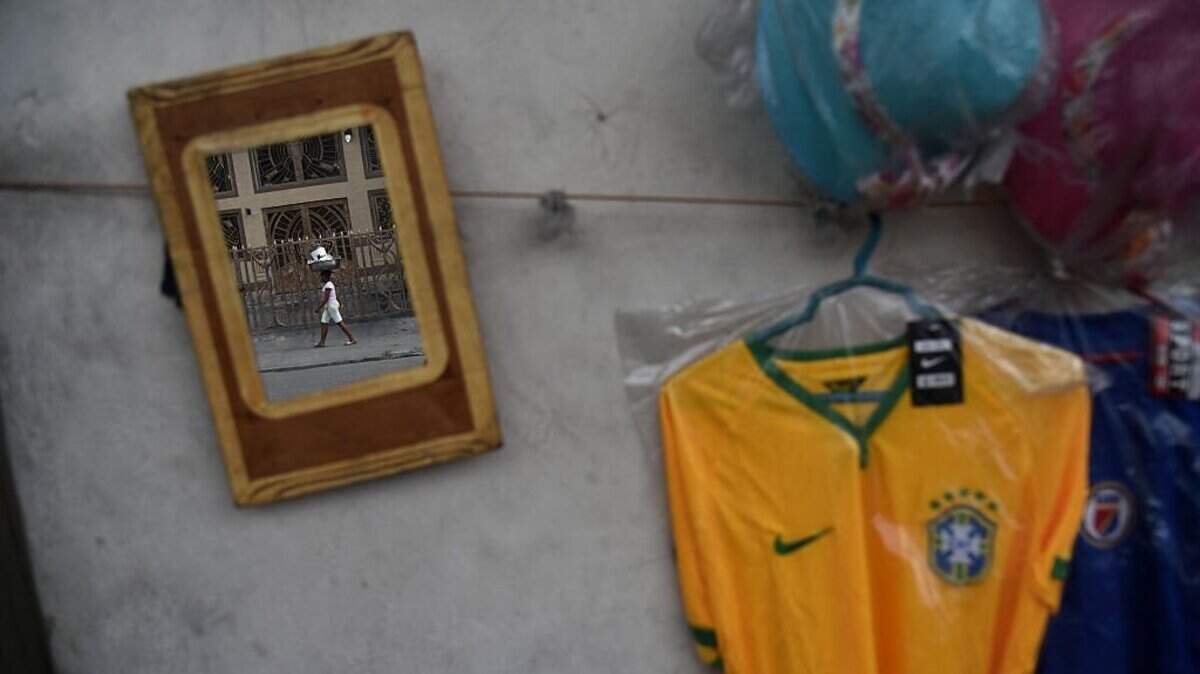
Haiti’s participation in the World Cup is historic — the first time the country has qualified since 1974. But when they face Brazil, the football-obsessed hearts of many Haitians in South Florida will be split. Haitians feel a special kinship with Brazil’s national team, a passion that goes back decades.
As for Brazilians like me, we feel we’re due for another World Cup title — it’s been 24 years since our last one, though we aren’t favored to break that dry spell this year. But my heart won’t break if we lose to Haiti, or if Haiti scores its first goal in the tournament against us.
The two countries, geographically so distant, share a heartwarming bond that began with the rise of Brazilian legend Pelé, a 17-year-old from humble beginnings who became an international sensation during the 1958 World Cup and went on to win three titles with the seleção — “selection” in English — as the country’s national team is known.
Brazil won over Haitians because of its artful playing style — Tardieu compares it to “ballet” — but also because Haitians “could relate to the Brazilians, especially because Pelé was Black, and all these other players were also colored players,” he said.
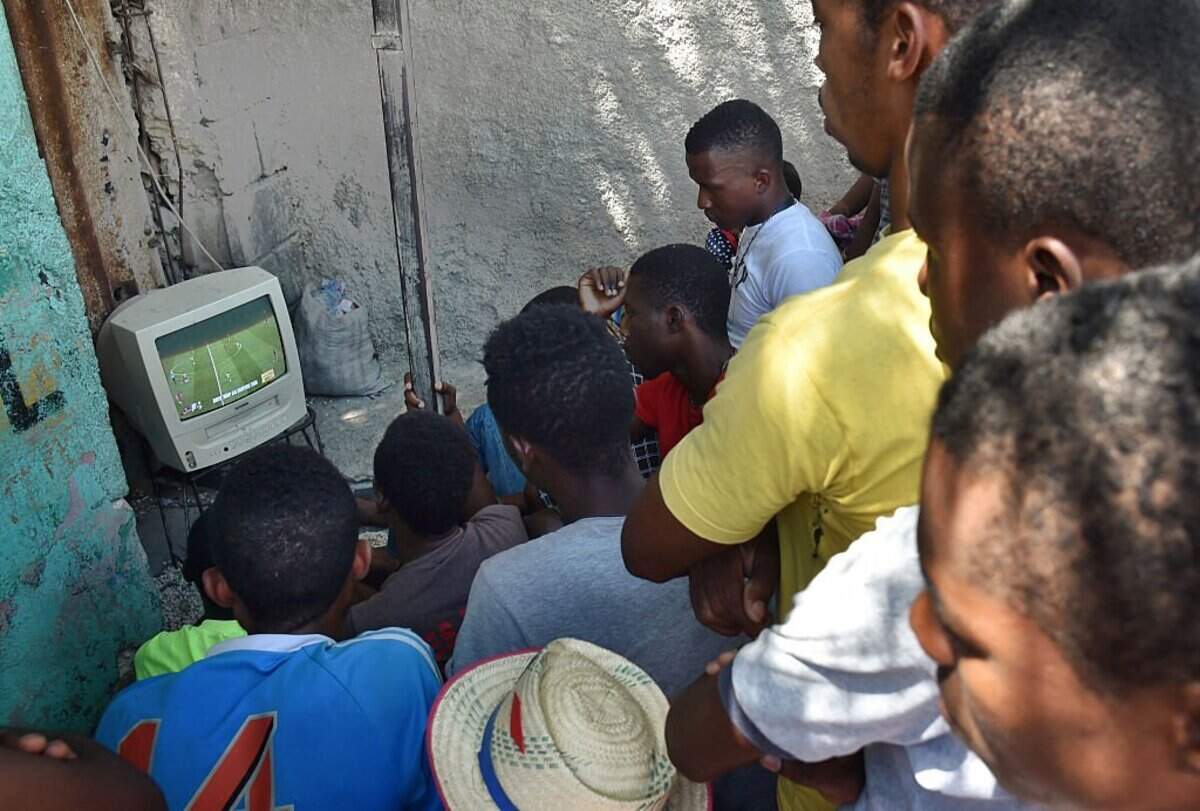
Brazilian football is so popular in Haiti, the country’s government in 2018 announced a huge fuel price hike during Brazil’s quarter-final match against Belgium in that year’s World Cup. The move was meant to tamper public discontent but backfired: Brazil lost and Haitians took to the streets in protest against the measure, burning tires and blocking streets across the country. The price hikes were temporarily suspended.
Brazil, too, is used to the sport being used as a tool of social control, exploited as political propaganda by the military dictatorship that controlled the country from 1964 to 1985.
For most Brazilians, the current humanitarian and political crisis in Haiti feels like a far-away issue, but the two countries share many ties. The Brazilian military led the United Nations Stabilization Mission in Haiti from 2004 to 2013 and deployed more than 37,000 military personnel over the mission’s duration, according to the Brazilian foreign ministry. Since the 2010 Haiti earthquake, large numbers of Haitians have moved to Brazil, many using humanitarian visas.
The match-up between the two countries in Philadelphia on Friday will be a time for celebration of Haiti’s historic return to the World Cup and a respite from the difficult times facing the country. Sports don’t solve political and social problems, but they force us to be in the moment, when all that matters for 90 minutes is watching your nation score.
Haiti did beat Brazil once — by 4-3 in a tournament called the Caribbean Cup held in Trinidad and Tobago in 1999. Tardieu was one of the players who scored a goal. He described the victory as beating “my own team.”
Brazil sent its younger team, the Under-23 team, to that 1999 tournament. This time, the country is sending its top professional players to the World Cup, so it will be harder for Haiti to repeat that feat. But, if they do, there’s no better team to lose to — at least according to this Brazilian.
Isadora Rangel is a writer for the Miami Herald Editorial Board.