Trump bullies LatAm’s largest democracy; Miami’s Perez tapped as messenger | Opinion
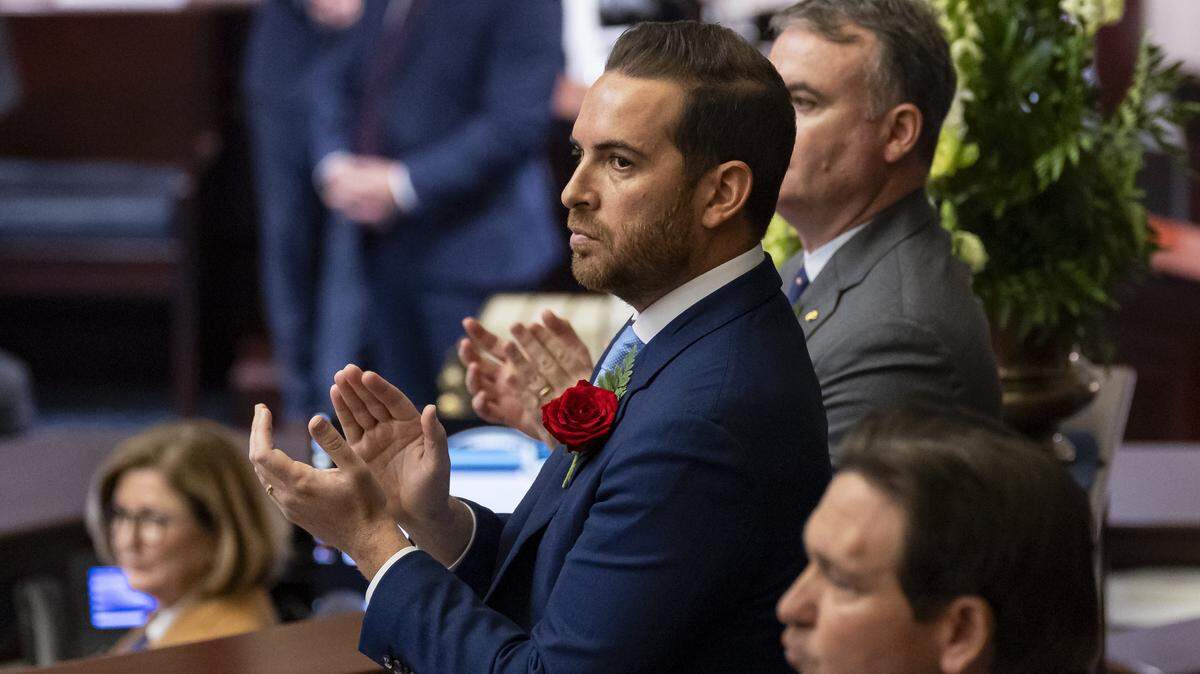
Miami’s House Speaker Daniel Perez played his political cards right and got a potential promotion from the Trump administration: a nomination to be the U.S. ambassador to Latin America’s largest country, Brazil.
Perez isn’t the first South Florida Republican President Trump has picked for an ambassadorship, but the stakes couldn’t be higher for Perez.
He will be wading through a turbulent relationship between the U.S. and Brazil, an American economic partner. Trump has created that turbulence with tariffs, which he leveraged last year as an attempt to influence Brazil’s judiciary to stop the prosecution of his ally, former President Jair Bolsonaro. Now there’s even fear in Brazil of American military action after the administration labeled two of the country’s criminal gangs as terrorist organizations.
Perez, 38, has been an effective, shrewd legislative leader who provided a much-needed check on the power of Gov. Ron DeSantis, a Trump foe. He also ushered in new congressional districts last month to give Republicans an advantage in the midterms, just as the president had asked. Now Perez is reaping the rewards.
“I’m looking forward to eventually working together with our dedicated, American public servants in Brazil to help advance the United States interests,” Perez told me via text message.
Brazil hasn’t had a U.S. ambassador since the Biden administration. As a political appointee, Perez will have the job of defending Trump’s attempts to browbeat the Western Hemisphere’s second-largest democracy.
In Miami, conversations about Latin America often center on socialist dictatorships in Cuba and Venezuela. Brazil has a leftist president elected in a fair election but, whether Trump likes that or not, Brazil — with all its problems — remains a sovereign nation.
The U.S. Senate must still confirm Perez’s nomination. Assuming he is confirmed and relocates to Brasília, Perez, who’s Cuban-American, will probably have to learn a lot more than just Portuguese. (It’s unclear if he already speaks the language).
He may need to brush up on basic history: Brazil returned to democratic rule in the 1980s — a year before I was born in São Paulo — following a 21-year military dictatorship. My parents were teens and young adults during the peak years of oppression, censorship and the torture and killing of regime opponents. I grew up hearing how my mom was almost caught at a military checkpoint with anti-regime college newspapers hidden in her car.
Brazilians are often in denial about that dark part of our history. With the rise of Bolsonaro's far-right politics, his celebration of the nation’s 1964 coup and praising of a notorious torturer of the dictatorship era, many Brazilians act as if losing democracy perhaps wasn’t so bad.
Some Bolsonaro supporters even camped outside military facilities after he lost his 2022 reelection, asking the armed forces to stage a coup. They also stormed the federal government buildings in Brasília in 2023, defacing the country’s democratic institutions. (Echoes of Jan. 6, anyone?)
Bolsonaro is now serving a 27-year sentence for his attempt to overturn his 2022 loss. That appears to have made Trump even fonder of him — the U.S. went as far as imposing sanctions on the Brazilian Supreme Court judge in charge of the investigation into Bolsonaro. The sanctions were lifted in December.
Bolsonaro’s son, Flavio, is now running against leftist President Luiz Inácio Lula da Silva in the fall. Trump looks ready to use America’s might to try to sway the elections in favor of the younger Bolsonaro, who visited the White House last month.
All of this suggests that America’s goal today isn’t to promote democracy in the Americas, but to ensure ideological alignment. It’s about exporting the MAGA model to Brasília, Buenos Aires or Bogotá. If another Bolsonaro is elected, Trump will certainly get an opportunity to exert control.
Brazil, for all its problems with corruption and organized crimes, isn’t Venezuela or Cuba. Trump should be building alliances to ward off Chinese influence in the region. That would be in America’s best interest.
Perez, no doubt, has a big task ahead of him. I hope that entails creating more stability in U.S.-Latin American relations and not more turmoil in America’s approach to the region’s largest nation.
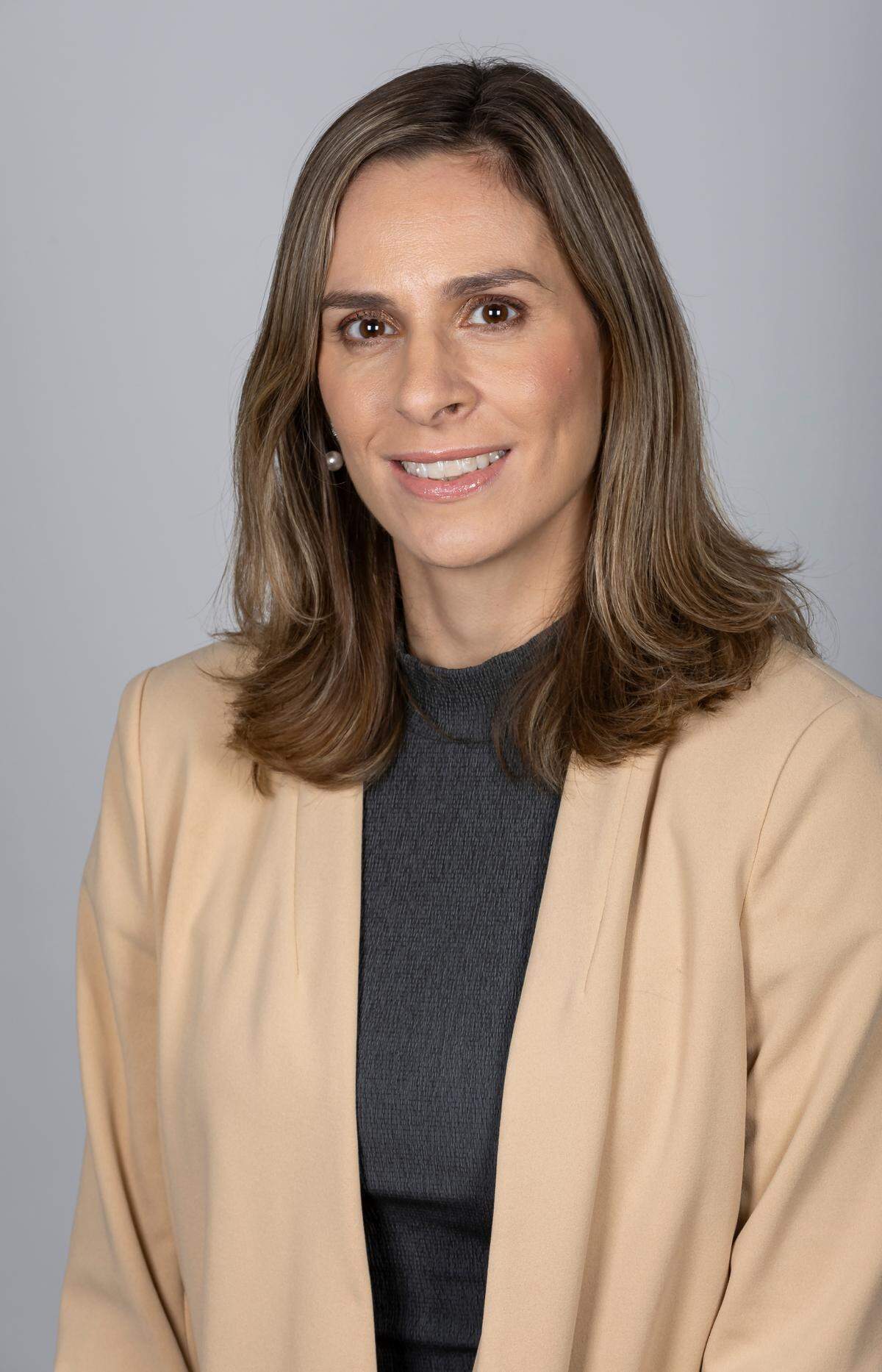
Isadora Rangel is a member of the Miami Herald Editorial Board.