Florida AG calls surrogacy slavery — really, it’s a backdoor fetal personhood test | Opinion
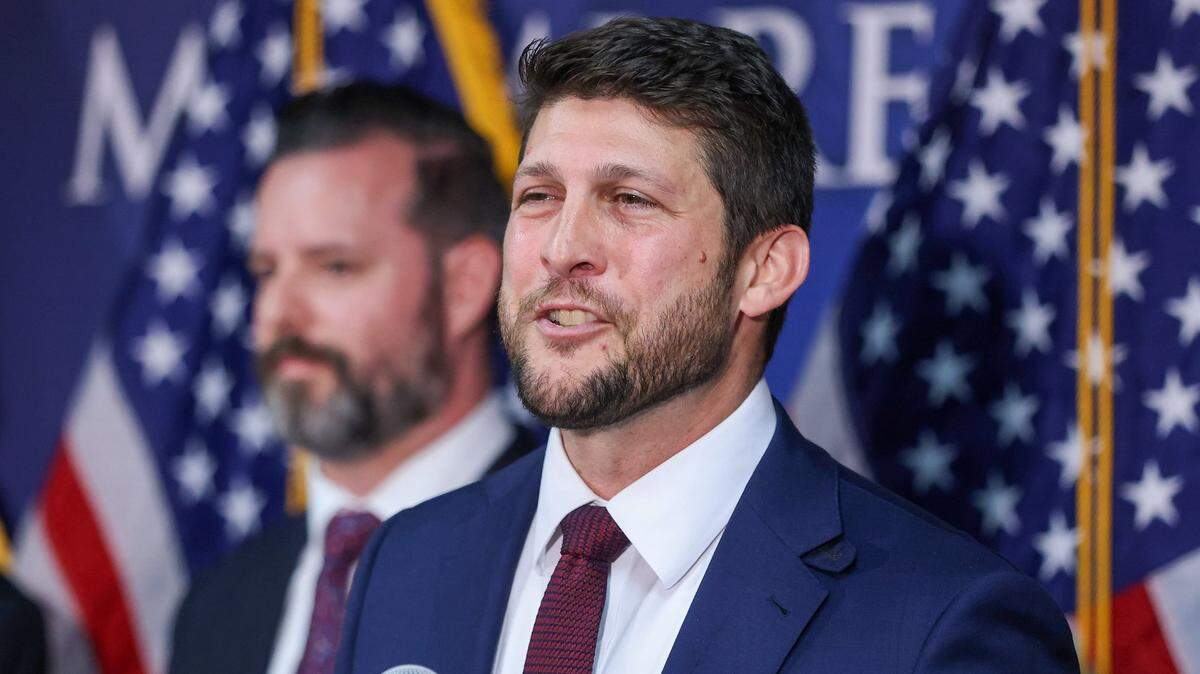
Florida Attorney General James Uthmeier is making an unusual legal argument against conceiving children through surrogacy: that it is the equivalent of “modern-day slavery,” and violates the U.S. Constitution’s prohibition on slavery under the 13th Amendment, the Herald/Times Tallahassee Bureau reported this month.
This isn’t just an ambitious lawyer — a political appointee running for office for the first time this year — testing a novel theory by inserting himself into a Broward County surrogacy court case.
If successful, Uthmeier’s strategy could easily have far-reaching implications. There could be the potential erosion of what’s left of abortion rights in Florida, where the procedure is already banned after six weeks of pregnancy, and the increased surveillance of pregnant women. As the Times/Herald reported, even in-vitro fertilization has the potential to be affected in some cases.
That sounds ominous, but it’s a warning to look beyond Uthmeier’s red-meat rhetoric on this issue. He wrote on social media in February that surrogacy is “the next form of human trafficking — American babies purchased and sold to predators and people with evil motives.” (A South Florida surrogacy lawyer who had a child via a surrogate refuted Uthmeier’s views in a recent opinion piece for the Miami Herald).
Uthmeier’s constitutional argument relies on the premise that fetuses have “personhood” status and the same constitutional protections given to people who are already born, Caroline Mala Corbin, a constitutional law professor who specializes in reproductive rights at the University of Miami School of Law, told me.
Anti-abortion rights activists have made the fetal personhood argument for decades.
In the Broward case — involving a couple and a surrogate mother — the court did not ask Uthmeier to intervene, the Herald/Times reported. The case records are not public but a lawyer representing the couple told the Herald/Times that Uthmeier seems interested in securing a court opinion limiting reproductive technology. He has even made the bizarre suggestion that people who donate their sperm, eggs or embryos should keep parental rights and parental obligations, the lawyer said.
Surrogacy is heavily regulated in Florida — for example, the state restricts it to parents who cannot carry a pregnancy to term or when the mother or the fetus would be harmed, the Herald/Times reported. If people abuse the system, then it’s the job of lawmakers to reform laws. Uthmeier is instead trying to ban the practice all together.
I understand concerns by Uthmeier and others about protecting children and not wanting surrogacy to become simply a business. If it were up to me — and it’s not — couples should think about adopting because there are so many children who need families.
The bigger problem is that if the courts consider a fetus a person, then our “legal landscape would change dramatically,” Corbin said. Abortion could be considered murder, and women could fall under “intensive surveillance” of what they do during pregnancy, she added. Say an expecting mother eats raw fish, which doctors strongly advise against during pregnancy, and contracts salmonella — would she find herself in legal crosshairs?
That may sound far-fetched, but so did the possibility that the U.S. Supreme Court would overturn Roe v. Wade’s nearly 50-year precedent on abortion rights in 2022 or that the Alabama Supreme Court would classify in-vitro embryos as children. (After the ruling, Alabama lawmakers rushed to pass a law to protect IVF clinics from liability in 2024.)
Looking at the current landscape of state and federal courts, how can we not wonder what’s next? Florida’s Supreme Court is stacked with Gov. Ron DeSantis’ conservative appointees and at least five of them have appeared to express interest in the idea of fetal personhood, the Herald/Times reported. DeSantis also appointed Uthmeier to be attorney general.
Uthmeier, who’s against abortion, hasn’t said whether his surrogacy challenge is meant to test fetal personhood in the courts. But it’s hard not to link both topics.
Surrogacy hasn’t been a mainstream concern in Florida, but it looks like Uthmeier is trying to make it the next culture war. It’s a strategy DeSantis has successfully used as governor: Convince the public something terrible is happening to children — i.e. “woke” teachers indoctrinating students — and present yourself as the savior.
The last thing Florida needs is a new culture war, especially one with such serious potential ramifications.
Isadora Rangel is a member of the Miami Herald Editorial Board.