
Florida lawmakers are right to not let consumers gamble with their change | Opinion
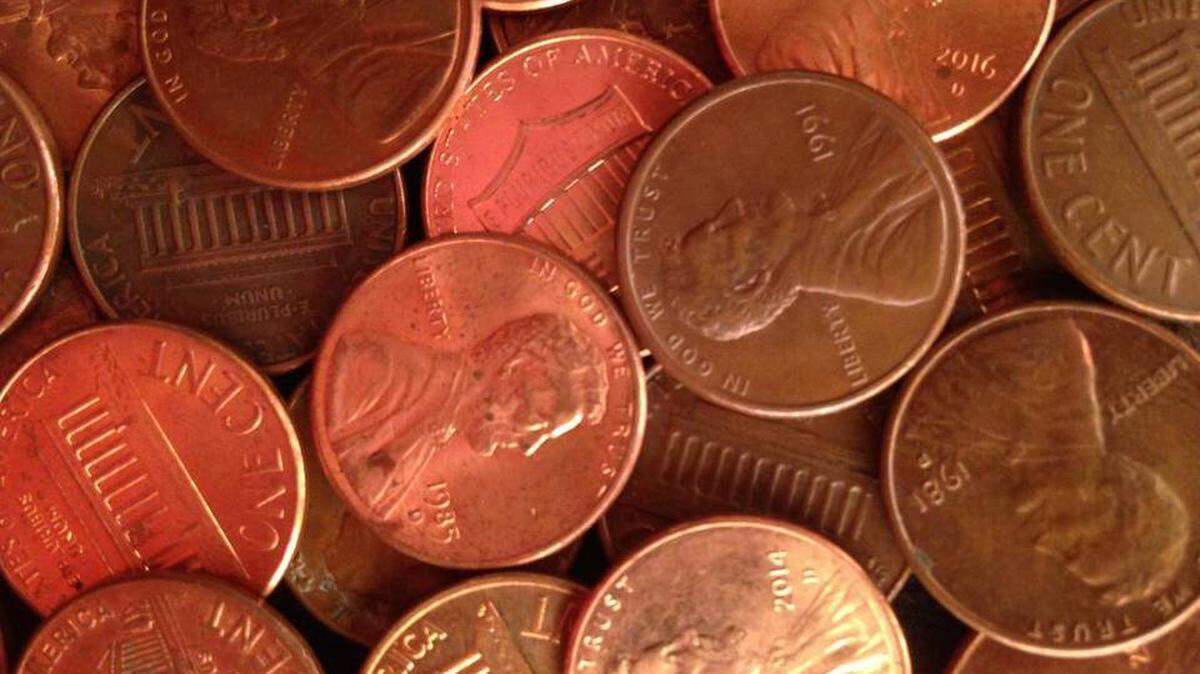
I recently paid $54.27 for a birthday gift and gave the cashier $60. When she handed me my change, I was shorted 3 cents.
Until that moment, I hadn’t noticed the removal of the penny from our money supply. But once I noticed it, the implications have become clear for both shoppers and businesses.
The argument for the U.S. Mint to stop producing pennies was simple: They cost more to make than they’re worth. According to the Treasury, the cost to produce a penny has risen from 1.3 cents to 3.69 cents per penny in the past 10 years.
When President Donald Trump announced the end of the penny, many people — me included — didn’t think much of it. Others found it fiscally responsible, arguing Americans were no longer getting their money’s worth.
In a USA Today op-ed, Brandon Beach, the U.S. treasurer, wrote that by getting rid of the penny, “We are going to save America taxpayers $56 million a year in material costs alone…”
As a fiscal conservative, I appreciate when the government cuts waste and saves taxpayer money. But in this case, a larger question remains: Who’s paying for these savings?
The answer, I have found through my own shopping experience, is the consumer.
While many people are no longer using cash to pay for things, the removal of the penny has created an ambiguous change-making process, often benefitting the company more than its customers. Cash transactions are sometimes now rounded up or down — but not always consistently. Three cents may seem trivial, but it adds up.
The impact isn’t evenly distributed. Minor rounding efforts by businesses will impact lower-income communities, seniors and other individuals who use cash to pay for things.
To address the confusion over exact change, state Rep. Fiona McFarland, a Republican from Sarasota, sponsored a bill to establish cash-rounding rules for Florida retailers.
McFarland’s bill — HB 951 — standardizes rounding rules for cash purchases if the retailer can’t complete the transaction with the exact cent. The House Ways & Means Committee unanimously voted for the bill on Monday.
This is the right approach.
I understand the case for removing the penny from circulation, but the government shouldn’t quietly transfer the cost to consumers. Yet, without clear guidelines, rounding rules are left to individual businesses — or worse, to a 20-something cashier with limited guidance — leaving consumers guessing if they’ll be rewarded by the confusion or short-changed.
When the Treasury announced it would no longer mint pennies last May and stopped final production six months later, it made clear that the penny would remain legal tender. And in Branch’s op-ed, he expected businesses to “apply rounding practices in a fair, consistent and transparent manner.”
The Treasury’s hope that businesses would apply fair and consistent rounding practices is nice in theory but in practice has proven to be unreliable.
Markets function best when prices are clear and rules are consistent. Fiscal responsibility extends beyond reducing government expenses. It also means recognizing the impact of where the cost lands when a policy is implemented. Savings that depend on consumers to behave a certain way — or not notice a few missing pennies — amount to a hidden tax.
Establishing uniform rounding standards is a guardrail that protects consumers and guarantees a clear expected outcome. This kind of fiscal transparency is a basic expectation in a free-market economy.
The elimination of the penny may make sense. But shifting the burden onto consumers without clear rules isn’t smart.
Fiscal responsibility requires transparency. It’s not just about cutting costs to save money and hoping no one notices the missing change — especially in daily transactions that affect working families.
Florida lawmakers are right to bring clarity to a policy before further confusion sets in. Consumers deserve better than guesswork at the register and wondering if they just got short-changed.
Mary Anna Mancuso is a member of the Miami Herald Editorial Board. Her email: mmancuso@miamiherald.com
This story was originally published February 4, 2026 at 3:21 PM.