
Faith in the time of digital divide — why the ‘millennial saint’ is needed | Opinion
In the Catholic faith, there are thousands of saints, but for me — and I imagine for many others — it’s always been hard to imagine them living among us. More often than not they’ve seemed like ancient relics of the past depicted in two dimensions on fraying canvas than individuals who once walked the earth.
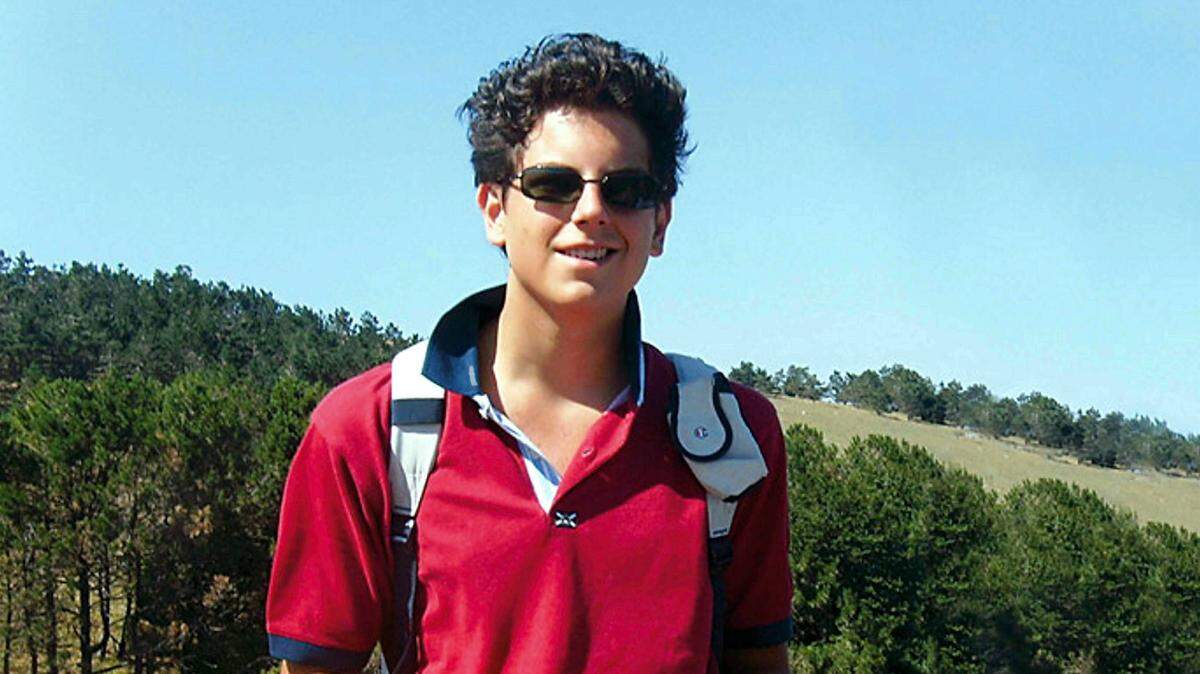
Recently, for me, that changed. On Sunday, Carlo Acutis, a Catholic teenager from Italy who died in 2006 of leukemia at 15, was canonized by Pope Leo XIV.
Acutis, now St. Acutis, is known as the “first millennial saint,” and also as the patron saint of the internet. (We could certainly use one of those.) Like many teenagers, he loved video games, soccer and technology.
Born in 1991, Acutis — like many of us millennials — grew up with technology and used it to create a website documenting Eucharistic miracles. He integrated an ancient faith into the digital age effortlessly.
His canonization isn’t just historic for Catholics — it’s a cultural nod to younger generations harnessing social media to make faith a part of their lives. Instead of using it to escape or doom scroll, Acutis used the internet as a tool to spread his faith.
I think Acutis would find it interesting to see how TikTok is being used as a digital pulpit. Earlier this year, the Economist wrote about how the social media platform has reshaped people’s faith, especially Generation Z.
Polling by Pew Research shows the decline of Christianity in America has slowed. Roughly 62% of Americans still identify as Christian, and 7% of adults identify with a religion other than Christianity.
Millennials and Gen Zers aren’t rejecting faith outright; they’re reimagining it. A study by the Christian think-tank, Theos, found that members of Gen Z — TikTok’s biggest religious users — believe faith has a place in the modern world.
“FaithTok” is changing how Millennials and Gen Z are engaging with their faith. Religious influencers known as FaithTokers are winning followers by sharing halal snacks and “holy girl habits” — making faith less formal and more accessible.
Some argue that social media is eroding traditional habits and virtues of traditional journeys of faith. And they point to “FaithTok” being overrun with deepfake video content and religious disinformation — I don’t dispute this.
But for all of social media’s faults, it can be used for good — such as how it’s bringing faith to its users, in a relatable way. No need to wait until Shabbat or Sunday Mass to connect with a religious community. The religious community is available 24/7 and lives on your iPhone.
A 2024 Gallup poll found only 30% of Americans attend weekly religious service, down from 42% two decades ago. For those 18 to 29, only 22% attend regularly.
While Gen Z may skip religious services, they still pray, meditate and search for meaning. That’s why Acutis matters: He was a real teenager living an ordinary life guided by faith. (In order to become saint, miraculous acts have to be attributed to you — usually posthumously. Acutis is associated with the healing of a Brazilian boy with a pancreatic malformation and the recovery of a Costa Rican woman hurt in a bicycle accident.)
Whether you believe in miracles or not, Acutis is a reminder of how the internet can be used for good, even in our divided world. The same platforms being used to spread misinformation and vitriol can also spread community and hope.
As a regular church attendee, I often see small Sunday crowds. Maybe religious institutions are struggling with regular attendance because more things demand our attention, such as social media.
Acutis bridged the divide between religion and modern life, not by choosing between them but by showing how they can coexist. Faith doesn’t have to retreat from the digital age; it can embrace it.
Conservatives have long argued that faith, family and community are pillars that hold society together. Acutis demonstrated that those pillars can thrive in a modern world — even one ruled by social media algorithms and smartphones.
Mary Anna Mancuso is a member of McClatchy’s Miami Herald Editorial Board. Her email: mmancuso@miamiherald.com
This story was originally published September 8, 2025 at 12:00 PM.