81 years ago, they turned Anne Frank in. Would we save her today? | Opinion
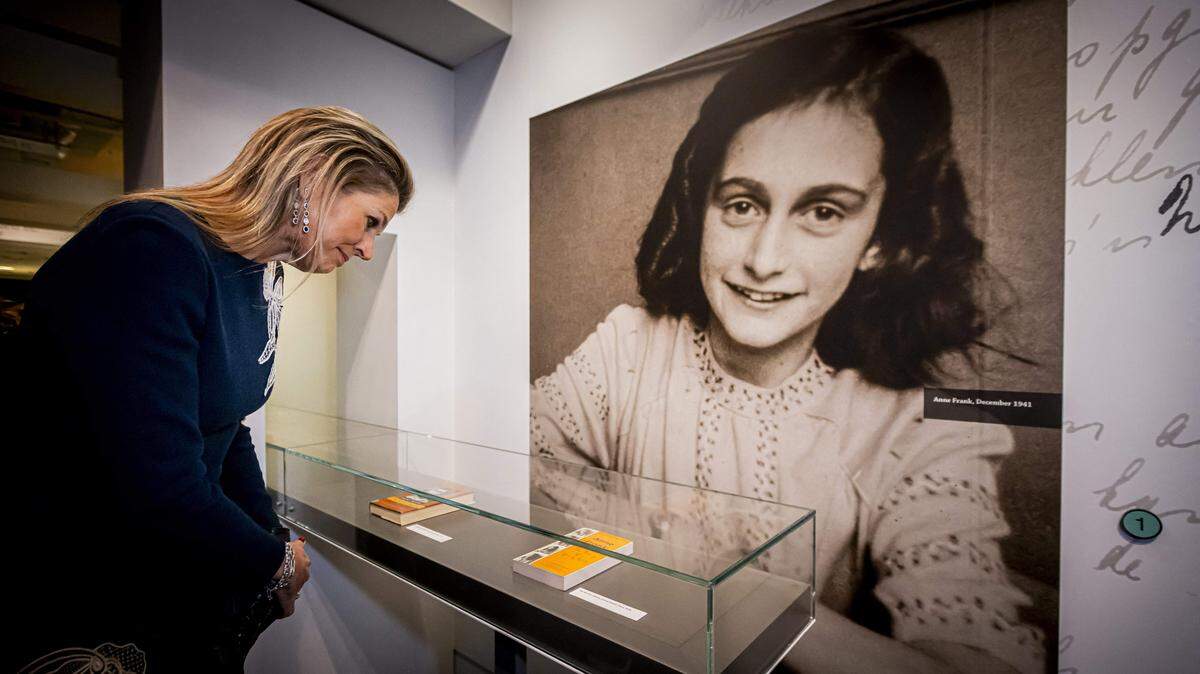
Monday marked the 81st anniversary of the day Anne Frank, her family and four others were discovered in 1944 by the Nazis after two years of hiding in a living area concealed by a bookcase in a secret annex in an Amsterdam company building.
An informant had turned in the German-Jewish group to the Gestapo, ending their attempt to escape the concentration camps, where they were eventually taken and died, including 15-year-old Anne.
Only Anne’s father, Otto Frank, survived. After the war, he was given the journal his daughter had kept during their time in hiding and left behind. In the diary she had revealed her views of life as she matured, family and pointnant personal growth. He edited it and published it.
The book became an international bestseller, a Hollywood movie and one of the world’s most powerful documents denouncing the horrors of the Holocaust. For generations, “Anne Frank: The Diary of a Young Girl“ was required reading in American schools. You didn’t have to identify with the angst of a teenage girl to be moved by her words.
What stayed with most of us was her heartbreaking optimism: “I still believe, in spite of everything, that people are truly good at heart,” she wrote.
As we remember Anne Frank, a victim of a horrible genocide, it’s worth asking: Could there be an Anne Frank in our modern time? I think the short answer is “yes”— there are Anne Franks today. Young people trapped in war zones, fleeing persecution and hiding from armed regimes still exist. Some are living in fear for their lives in neighborhoods in Jerusalem and Tel Aviv, or cowering in basements in Gaza? Others are sheltering in Ukraine.
Some even hide within U.S. borders — from detention and deportation. Frank’s dad tried to escape, or immigrate with his family to the U.S., Great Britain and even Cuba, with no luck. The Nazis had in many cases stripped Jews of their German citizenship, leaving them as people without a country. Without legal documents, who would take them in?
It’s a situation that has some flashes of resembles with the Trump administration’s war on undocumented immigrants and the efforts to deport them from the U.S. Their stories may not be scribbled in a world famous diary, but they are out there — shared in text messages, Instagram reels or TikTok videos.
I think today the musings of a thoughtful teenage girl would be considered “blogging” from her hiding place that might briefly go viral, attract some sympathy and then vanish into the algorithm’s rearview mirror. Would we rescue Anne Frank? Or would she become just another political flashpoint — debated, doubted as fake and dismissed depending on where she came from, how she looked?
Anne Frank’s diary became a symbol of human resilience not just because of her words, but because the world paused long enough to listen. In the postwar quiet, reflection was possible, some proponents of the book say.
Anne Frank still resonates today. Hundreds still visit the Anne Frank House museum in Amsterdam daily. Ten years ago, I was one of them. The line to enter the canal-view building where the teen and her family and friends had hidden stretched around the block. The hiding place where the group lived felt claustrophobic. I could not have tolerated the isolation without a television, a laptop or my cell phone.
I suspect the Anne Franks of our era may be met with hashtags, temporary outrage or even conspiracy theories. We are quicker to judge than to listen, and in doing so, we often overlook the very humanity Anne preserved in her pages.
The lesson today isn’t to deify Anne Frank, but to recognize her in others, as many who championed her after the war tried to do. Would we believe her if she were writing now? Would we repost her videos? Advocate for her safety? Or would we scroll past her TikTok story?
Luisa Yanez is a member of the Miami Herald Editorial Board. lyanez@miamiherald.com
This story was originally published August 5, 2025 at 6:00 AM.