
The Army just turned 4 Big Tech execs into instant officers. What an insult | Opinion
When I was a young attorney in Hutchinson, Kansas, a friend of mine suggested that we join the Army Reserve or National Guard as members of the Judge Advocate General Corps. I had recently opened a private law practice, had one child and another on the way. Once I joined, I would receive a direct commission as a first lieutenant. For weekend drills, I would be paid a little over $100 and around $1,500 for two weeks of annual training. With the offer of a little adventure and some much-needed cash, I joined the Kansas Army National Guard and stayed 24 years.
In order to receive my direct commission, I had to complete a Direct Commission Course in Arkansas. I flew to the course, courtesy of the U.S. Army. I was 29, and it was the first time I had flown in an airplane. At the course there were other lawyers like me, doctors, nurses and future chaplains. After completing the course, chaplains were commissioned as first lieutenants, nurses as second lieutenants and doctors as captains (which at the time, ticked me off).
The direct commission program still exists today. There is such a shortage in the medical field that if a nurse takes a direct commission, the U.S. Army will pay his or her tuition to medical school and up to a $40,000 bonus for joining. A doctor of psychiatry can receive up to a $600,000 bonus.
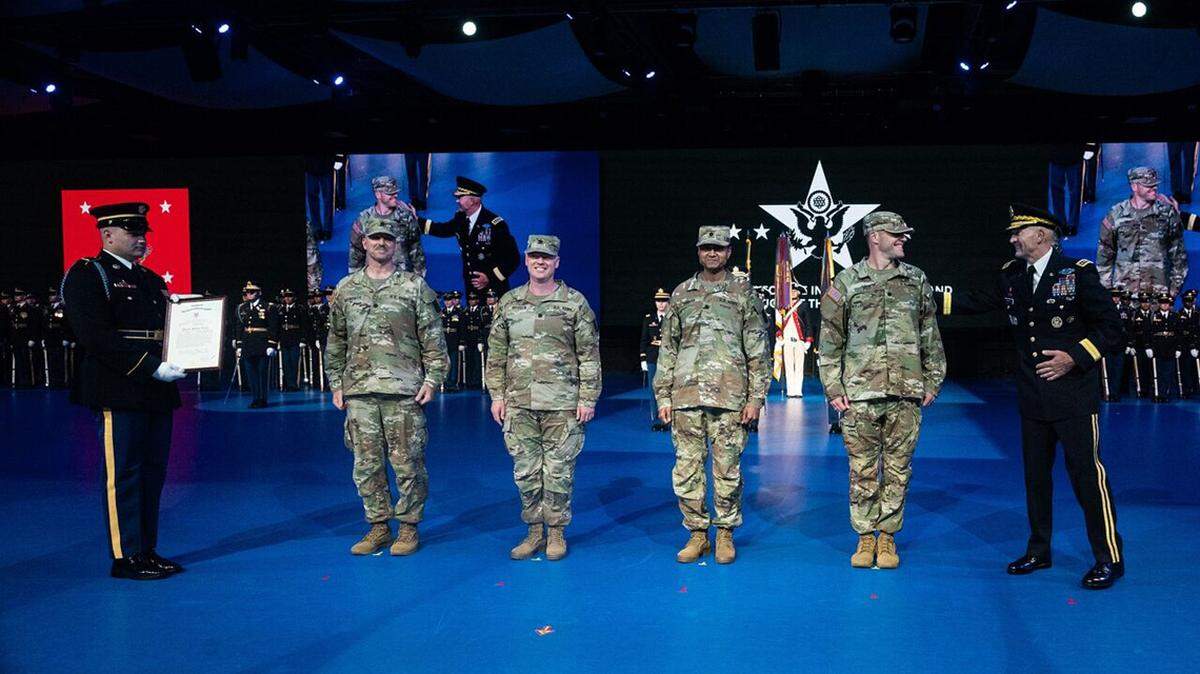
Just recently, I learned that the U.S. Army Reserve is giving direct commissions to several executives from Big Tech firms Meta, OpenAI and Palantir at the rank of lieutenant colonel to serve in Detachment 201, a new Executive Innovation Corps. When I learned of this, I was not a happy camper, so I dug a little deeper.
In 2019, Congress enacted the National Defense Authorization Act of 2019, which gave the military services the authorization to direct commission officers up to the rank of colonel. That means a civilian can receive a direct commission as a bird colonel (colonels wear an eagle as their rank) if they have the requisite background.
Let me put this in perspective: I was not promoted to colonel until I served 19 years. During those 19 years in the Kansas Army National Guard, I progressed from first lieutenant to captain, major, lieutenant colonel and, finally, colonel. I took years of classes, including the Judge Advocate Basic Course, the Advanced Judge Advocate Course and Command and General Staff College. During the 19 years it took me to reach the rank of colonel, I went to around 200 weekend drills, 19 or more sessions of annual training, deployed to Bosnia, made numerous trips overseas and helped with the recovery from Hurricane Katrina.
The average age of lieutenant colonels is 39, and by the time they have achieve that rank, they have served 16 years in the military. The average age of colonels is 45 and they usually have served around 22 years in the military.
Wealth and status, not experience
These four executives are all multimillionaires several times over, and will be commissioned at a rank usually achieved by officers who have served at least 20 years in their military careers. They will reportedly not be required to complete the Army Fitness Test or participate in the military’s six-week-long Direct Commission Course, though they will be given a crash course on military history and take a physical test and marksmanship training.
It is almost as though these four individuals are being awarded the rank of lieutenant colonel because of their wealth and status, much like the British Army used to allow the purchasing of military commissions, or as one is rewarded with an ambassadorship because of a large political donation.
There is some precedent. During World War II, several famous actors and musicians were given direct commissions. For example, Hollywood filmmaker John Ford was commissioned as a commander in the United States Navy Reserve and served as the head of a photographic unit. Popular bandleader Glenn Miller became a major in the U.S. Army. However, one must keep in mind there was a war on, in which nearly everyone in our nation was mobilized to help the effort in some way.
I find it unfair and unwise that someone can receive a direct commission to lieutenant colonel or colonel. Yes, we need technical experts and other specialists, but taking someone with zero military experience and making them an officer is a bit absurd. Direct commissions above captain are bad for morale. Here you are a major, 15 years into your military career, and a civilian is suddenly your ranking officer, and they have not even been to a single military school and cannot pass the Army Fitness Test. How do they even know how to wear the uniform properly, know when and who to salute, or any other basics about the military? What happens if there is a crisis and a colonel with no military training is in charge and must handle the emergency? Do they know how to fire and clean a weapon?
Direct commissions should be limited to the rank of captain. If the military needs to recruit those with special skills, then let’s do it with bonuses or other enticements (maybe even a little patriotism). At the very minimum, those receiving a direct commission should be required to pass the Army Fitness test, successfully complete the Direct Commission Course, followed by the other U.S. Army courses required to reach the rank of lieutenant colonel and colonel.
This story was originally published July 6, 2025 at 8:07 AM with the headline "The Army just turned 4 Big Tech execs into instant officers. What an insult | Opinion."