
Marco Rubio doesn’t need to be the next Henry Kissinger | Opinion
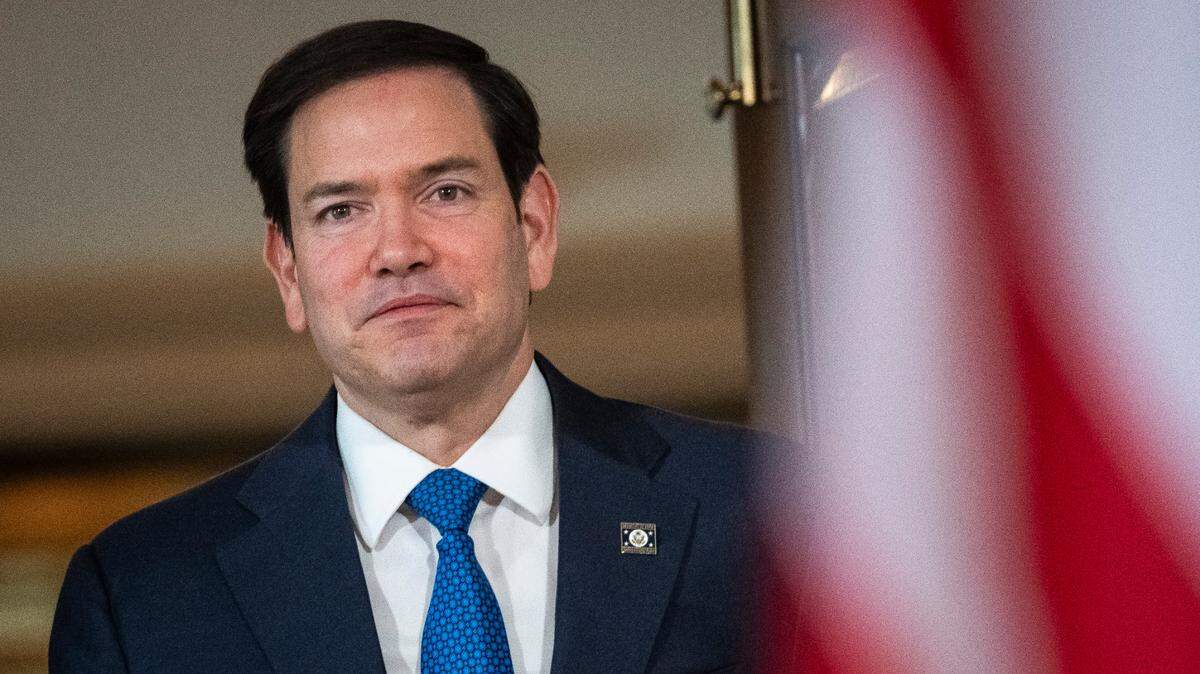
When Marco Rubio was confirmed 99-0 by the Senate in January to serve in President Donald Trump’s Cabinet, he made history as the first Cuban American secretary of state.
In 2016, I worked as a member of Rubio’s grassroots leadership team on his Senate reelection campaign. Since that time, I’ve followed his political trajectory from the Florida House to Washington as a Republican senator from South Florida.
Last week, Rubio made history again when Trump tapped him as national security adviser after former U.S. Rep. Mike Waltz, another Floridian, was ousted and nominated to be U.N. ambassador. Of the new job, Trump told NBC News, “Marco’s very busy doing other things, so he’s not going to keep it long term.”
Regardless of how long Rubio juggles both positions, his appointment is extraordinary by historical standards. Henry Kissinger is the only other person to ever hold both roles concurrently during any administration.
In 1973, President Richard Nixon appointed Kissinger to serve as secretary of state and national security adviser during an era marked by the October War of 1973 and Cold War tensions. But this is not 1973. And Rubio doesn’t need to be Kissinger.
He has his own strengths. Rubio is the son of Cuban immigrants and a product of the post-Cold War world. He brings a worldview shaped by the fight against authoritarianism. In the Senate, he positioned himself as a foreign policy hawk — calling out dictators in Latin America and warning against complacency toward rising threats from China, Russia and Iran.
Trump’s appointment of Rubio to hold two of the most powerful positions in the government represents an achievement for Rubio personally as well as one for Cuban Americans.
For decades, Cuban Americans have had increasing influence in Florida politics, most notably in Miami and Florida. And now, Rubio is directing foreign policy from the Situation Room. The significance of Rubio’s dual positions is a powerful reminder of what is possible in this country.
His perspective no doubt has been shaped by the Cuban exile experience — a deep understanding of how precious freedom is and how tyranny destroys lives.
Rubio’s rise has come with its fair share of criticism. He’s been accused of abandoning our allies — most notably remaining silent during a contentious Oval Office meeting between Trump and Ukraine’s President Volodymyr Zelenskyy, when many expected him to speak up in defense of Ukraine. And when it comes to standing up for American values, Rubio should remember that revoking visas of international students for allegedly expressing their political views while in the U.S. punishes individuals seeking opportunities, not the governments they left behind. I, too, have had similar questions of the Rubio I once campaigned for.
Now he must manage Trump’s instincts, work with allies and guide American diplomacy all at the same time.
This is no easy task. Even former National Security Advisor John Bolton warned “no one individual can really handle both jobs, particularly given the threats and challenges we face in the world today.”
Bolton’s concerns warrant consideration. The challenges facing today’s global order are complex, and both roles are demanding with high stakes.
The role of secretary of state is the country’s top diplomat representing America abroad, the person entrusted to carry out the president’s foreign policy. The national security adviser, meanwhile, serves as the top advisor to the president on all national security issues. That is an enormous portfolio for anyone.
But Rubio is capable. He has long been known as an international policy wonk and his personal history is a plus that may also help him as he navigates these two roles.
Whether this appointment makes some larger point about Rubio’s political future is unclear. He has already reached higher than any other Cuban-American in a presidential administration. We’re all aware that Rubio’s presidential aspirations were postponed by Trump in 2016. But Trump recently named Rubio — along with Vice President JD Vance — as possible presidential contenders in 2028, during an interview on NBC’s Meet the Press.
Regardless of what comes next, one thing is clear: Rubio’s journey exemplifies the promise of the American dream.
Mary Anna Mancuso is a member of the Miami Herald Editorial Board. Her email: mmancuso@miamiherald.com
This story was originally published May 9, 2025 at 6:08 PM.