
The Biden-Harris legacy in the Western Hemisphere | Opinion
Partnership is power. This basic precept has defined the Biden-Harris approach to foreign policy in the Western Hemisphere, where political events often have a ripple effect in Florida.
Over the last four years, the United States harnessed diplomatic tools to craft tailor-made partnerships that helped ensure a peaceful transition in Guatemala, prevented Haiti’s collapse, buoyed the democratic aspirations of the Venezuelan people, elevated our relationship with emerging powers like neighboring Guyana, where enhanced cooperation to address historic levels of irregular migration and along the way boosted economic competitiveness in the Americas.
When anti-democratic actors brazenly attempted to retain power in Guatemala, the U. S. leaned into partnerships to defend the will of the Guatemalan people. We rallied private sector leaders, Indigenous groups and others around the shared goal of protecting democracy and promoting respect for human rights.
We coordinated targeted sanctions with Canada and the European Union and brokered resolutions at the Organization of American States to spotlight the outgoing government’s corrupt actions.
This U.S.-led partnership stuck together to ensure a peaceful transition to a government that now seeks closer relations and burden sharing with the U.S., evinced by Guatemala’s support on migration, Haiti, Venezuela, Taiwan, and its welcome this September of 135 Nicaraguan former political prisoners after U.S. secured their release.
Nowhere has our focus on custom-built partnerships proven more essential than in Haiti, where an ongoing security and humanitarian crisis has claimed thousands of lives and threatens regional stability. We supported the Haitian National Police (HNP) as it bravely fended off gang attacks. We empowered Kenya – a partner from a different continent – to lead a Multinational Security Support (MSS) mission.
We leveraged multilateral meetings to spotlight the crisis, raised over $100 million in partner country pledges, and provided equipment for personnel from Kenya, Jamaica, Guatemala, and other countries.
We are working with El Salvador to provide medical evacuation teams and with the Bahamas for maritime security. While Haiti still has a long way to go in restoring security and democratic governance, the efforts of the HNP, MSS mission, and other partners have kept the country from collapse.
We also leveraged partnerships to create space for the Venezuelan people to express their desire for democratic change. We supported the opposition’s efforts to induce Nicolas Maduro through the Barbados Agreement to hold the July 28 election, and Venezuelans braved intimidation to turn out to polls and support president-elect Edmundo González Urrutia by a two-to-one margin.
In response to Maduro’s fraudulent claims to victory, the U.S. brought together over 50 countries to press Maduro’s representatives to release full results and cease repression that has seen over 2,000 arrests and two-dozen deaths.
The strategic elevation of our relationship with Guyana, the world’s fastest growing economy, further proves how partnerships produce results. Our partners at U.S. Southern Command in Miami-Dade strengthened bilateral defense cooperation through medical missions, flood relief operations, joint training exercises and equipment transfers.
We also partnered with U.S. companies, which invested over $15 billion in Guyana between 2021-2023.
Faced with historic levels of irregular migration, the U.S. moved to create the first-ever hemispheric diplomatic partnership focused on migration. Launched at the U.S.-hosted Summit of the Americas in June 2022, the Los Angeles Declaration on Migration and Protection brings together 22 countries to advance a common vision for safe, orderly, and regular migration.
To ensure our diplomacy delivers for the American people, we launched the Americas Partnership for Economic Prosperity with the ambitious goal of making the Americas the most economically competitive region in the world.
Through the Americas Partnership, we made progress to strengthen semi-conductor supply chains, advance digital workforce training, develop clean hydrogen options, explore the use of space technology for smart agriculture, and connect entrepreneurs to angel investors.
Similarly, the public-private partnership “Central America Forward” galvanized over $5.2 billion in private sector commitments to the region, brought 2.5 million people into the formal economy, provided skills training to over 1 million, and generated over 90,000 new, quality jobs to address the root causes of migration.
Working in tandem with the Caribbean Community (CARICOM) and the Dominican Republic, we forged the U.S.-Caribbean Partnership to Address the Climate Crisis 2030. This partnership has leveraged smart U.S. investments to unlock billions in global financing that has improved access to development financing, facilitated clean energy investments, improved food security, and enhanced Caribbean capacity for climate adaptation.
Effective partnerships are enabled by diplomacy and mutual respect. As the next administration calibrates its strategic priorities, active diplomacy will remain an essential tool to advance core U.S. interests.
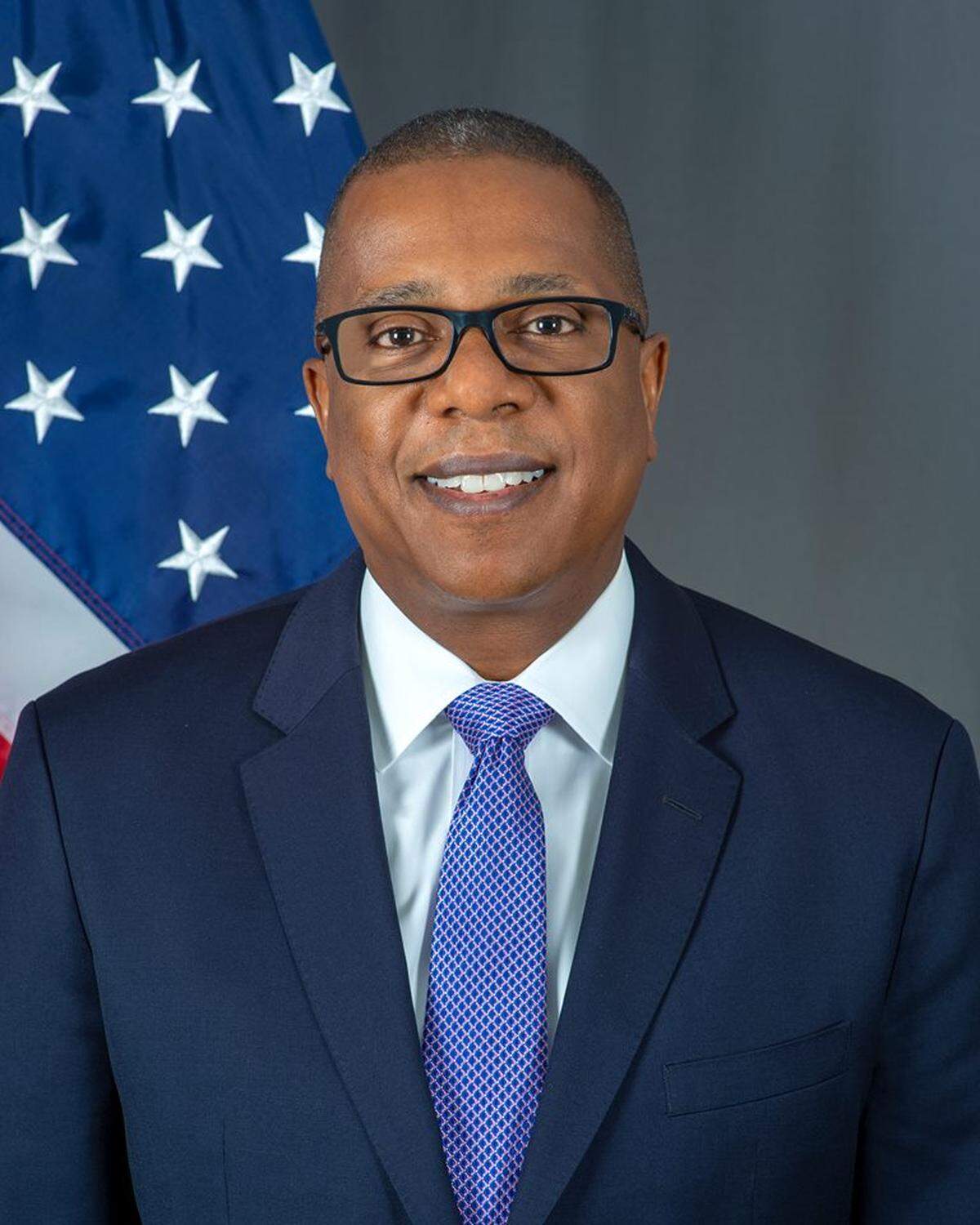
Ambassador Brian A. Nichols is U.S. Assistant Secretary of State for Western Hemisphere Affairs.
This story was originally published December 19, 2024 at 9:18 AM.