
Miami-Dade incinerator: Is burning the only answer? | Opinion
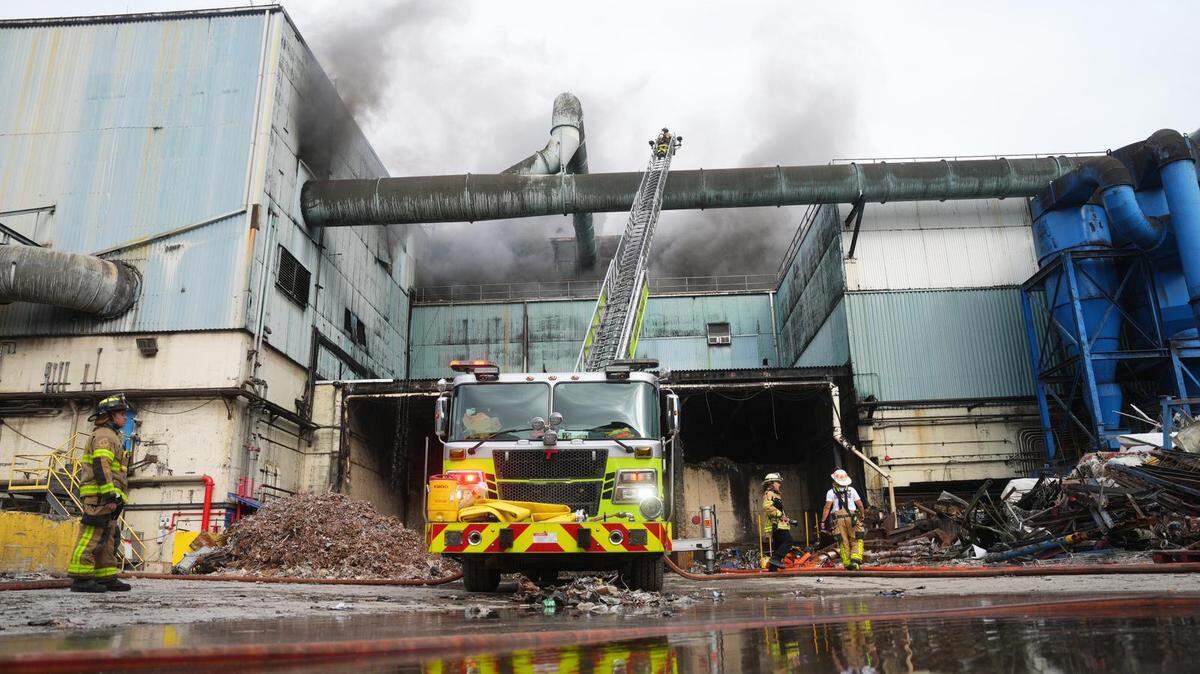
Back in September, along with several hundred citizens concerned about the future of Miami-Dade garbage, we spoke at a county commission meeting to oppose their plans to build the country’s largest incinerator.
We reminded the commission that we’ve been burning garbage since fire was invented and haven’t advanced beyond the caveman mentality of burning.
In Miami-Dade, we continue to believe that burning is the only answer. Now that we know about greenhouse gas emissions and the climate crisis, can’t we agree that Miami-Dade should lead by example, fighting for our planet instead of over which city should host the incinerator?
Four sites were being considered: the existing fire-damaged site in Doral, a private site in Medley, an idle county airstrip near Miramar called Airport West and a privately owned tree farm outside Hialeah Gardens.
Last month, Miami-Dade Mayor Danielle Levine Cava suggested the new incinerator may be rebuilt at its original Doral site, angering city leaders who immediately rejected the mayor’s change of heart.
But those revised plans are now also in question, as Eric Trump, whose father, Donald Trump, owns a resort in Doral, has had meetings with Levine Cava about the incinerator site.
Now, the mayor has raised the possibility of not building a new incinerator at all. Instead, the county is exploring whether future trash needs can be handled by permanently relying on landfills for burying waste. That option would have Miami-Dade relying permanently on landfills outside of Miami-Dade — and potentially outside of Florida.
Levine Cava said the new focus on an incinerator alternative came not from the Trump family pushback but from a recent meeting with the Sierra Club and other environmental groups.
The bottom line is that garbage incinerators fuel global warming. The technology still needs to be commercially viable for widespread use in this context.
Despite a pledge to reduce our county’s carbon footprint, the mayor and commissioners may leave a legacy of making it worse if they go ahead with a plan for a monster incinerator.
So what’s the alternative? Has Miami-Dade really examined all of the options?
Let’s start with reducing our waste. Miami-Dade produces twice the garbage per person than the average county. Reducing construction and demolition debris would free up much of our landfills. This can be achieved by recycling concrete, steel and glass — something done worldwide, but not here.
Another option is to implement new policies for the hospitality industry focusing on single-use plastics and packaging. And, of course, we can do our part at home.
Reducing our waste is just the start. We must also change our concept of landfills.
Policy-makers are right to point out that landfills, as we know them, are just as bad at producing methane and greenhouse gas as incinerators, so what else can we do?
The answer involves the zero waste philosophy, which is successfully practiced in many cities and countries without burning trash. Zero waste does not mean “no trash;” it’s a design principle where we reduce waste and divert what’s possible through recycling and composting.
Take out the smelly stuff, and the landfill will no longer contribute to climate change. Cities like Austin, Texas, and Boulder, Colorado have successfully embraced zero waste without incinerators.
Some say composting is unrealistic, but we’ve never tried it. Starting with commercial incentives and mandates, restaurants, offices, and hotels can significantly impact the diversion of food scraps from landfills.
The cities and counties manage yard waste, which can easily be separated for compost. Private residents will catch on as they have in so many other cities.
The no-burn alternative is such an afterthought in reporting and conversation that the debate only focuses on where we’ll burn rather than if we should.
The next steps are paused but still happening too fast.
With 10 years to build the incinerator and billions on the line, let’s take the time to vet all our options truly. “Burn baby Burn” should not be the Miami-Dade motto.
Ken Russell is a former Miami commissioner and a lobbyist for the Sierra Club. Michael Rosenberg is a local community activist.
This story was originally published November 26, 2024 at 6:00 AM.