
Civilian oversight of Miami police is about to end. Residents must speak up now| Opinion
There comes a time when the truth must be laid bare, when the decisions we make as a community no longer rest on the shifting sands of political convenience but on the unshakeable foundation of justice.
The time is here to fight to keep alive the City of Miami’s Civilian Investigative Panel (CIP), which has stood as a beacon of that justice for over two decades, serving as a shield for the vulnerable and a check on the power of those who wield it.
The CIP has demanded for police accountability and transparency. It has been a quiet but powerful reminder of Miami’s difficult history with injustice. When we think of the protests and the riots that followed the brutal killing of Arthur McDuffie, a Black man whose life was taken by officers sworn to protect him, we are reminded of the necessity of independent oversight. of police.
Now, the CIP’s very existence is in question if Miami residents don’t speak up.
The CIP was born from moments of outrage, grief and the people’s demand for justice. Now, the call to defund this department is a deliberate choice — a choice made by those who would rather see the truth buried than exposed, a choice to weaken the most critical asset Miami must address one of its most dangerous operations: policing.
Those who support the dissolution of the CIP point to state law, House Bill 601, as their justification. This law, they claim, restricts police oversight, leaving them with no choice but to dismantle the very body that stands between the people and unchecked police power.
But let us not be fooled by this deception. HB 601 does not, in fact, eradicate police oversight. It merely seeks to restrict its operation. To wield it as a political and legal scapegoat is nothing short of intellectual dishonesty and ethical irresponsibility. The courts have been asked to intervene.
What we are witnessing is not an inevitability, but a decision — a decision to sacrifice transparency for convenience, accountability for comfort, and justice for expedience. In a city like Miami, where the scars of police misconduct run deep, this is not just a betrayal of our laws; it is a betrayal of our humanity.
The CIP has been an essential part of the city’s resilience. It has saved Miami millions of dollars in settlement costs, costs that arise from the misdeeds of the bad apples in law enforcement who too often escape the consequences of their misconduct.
More than that, the CIP has been a lifeline to the people of Miami. It has given community members an outlet to tell their stories, to grieve and to seek justice for their most traumatic encounters with the police. It has been a place of healing, a place where the people of this city could begin to reclaim their dignity.
But the value of the CIP does not end there. Its impartiality and unbiased approach have made it a critical resource, not just for civilians but for the officers themselves. In recent years, the CIP has provided a refuge for those within the police department who feared retaliation from their own ranks for speaking the truth. It has been a voice for those officers who seek to honor the badge they wear but find themselves suffocated by a culture that punishes integrity and protects corruption.
During my years working with the CIP, I have witnessed firsthand the power of this department to mediate difficult police-community relations, to critique police procedures, and to expose systemic trends of misconduct. In collaboration with the Miami police, the CIP has provided a glimmer of hope—that perhaps, one day, we could build a relationship between the police and the community.
Yet, the very existence of the CIP is now in question, and with it, the future of police accountability in this city. This department was not built on a whim; it was created through a charter amendment, a part of Miami’s very constitution, born from the will of the people.
And now, as it faces the threat of dissolution, it is once again the people who must rise to defend it.
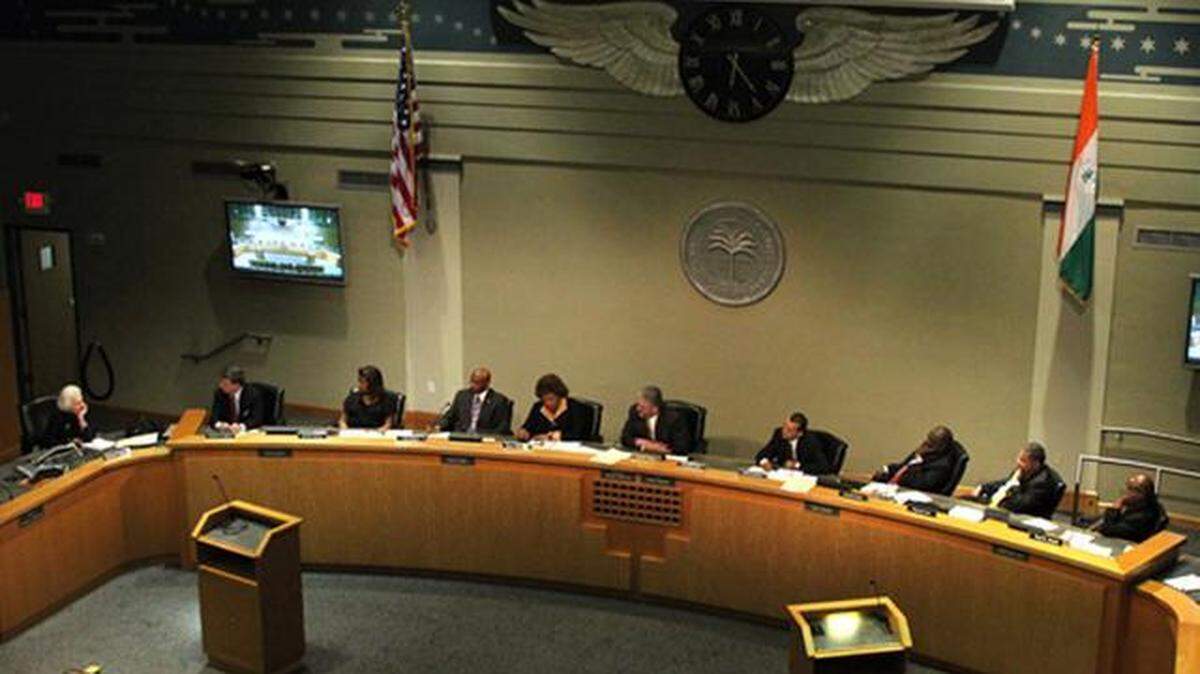
This Saturday, at 10 a.m. Miami city hall, the community will have the chance to speak. It will be the first of two budget hearings, and the stakes could not be higher.
Miamians must show up in force, not just to plead, but to demand that their city’s leaders make the right choice. This is not just about a budget. It is about the future of justice in Miami. It is about standing up for the most vulnerable among us — those whose voices have been silenced for far too long.
We must refuse to allow the defunding of the CIP to become a quiet footnote in the story of this city.
Rodney Jacobs is the current executive director of the Miami Civilian Investigative Panel.
.jpg "Headshot_Rodney Jacobs (2).jpg")
This story was originally published September 6, 2024 at 7:44 AM.