
A case against recreational marijuana in Florida. Vote ‘No’ on Amendment 3 | Opinion
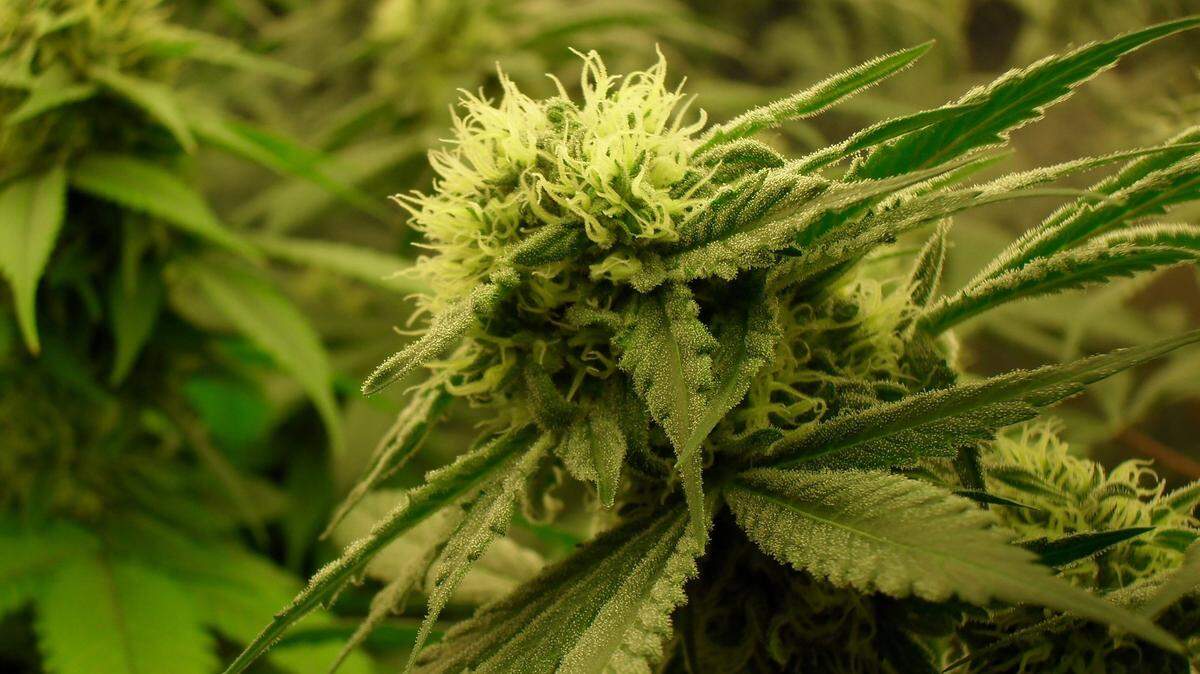
As we all know, we have an important presidential election before us. But there is another major issue on the November ballot where your vote is crucial: the legalization of recreational marijuana.
Amendment 3, if passed, would allow for the recreational use of marijuana throughout Florida. (Medical marijuana is already legal in Florida). It would no longer be illegal to possess and use three ounces of the drug without a prescription.
To put that into context, that is approximately enough marijuana to make 120-150 joints. Assuming the average user smokes one joint per day, that is almost a six-month supply that someone can have on them at any given time without breaking the law.
What is to be done about the excess? Are we opening a Pandora’s box and enabling a black market? What about the impact on society and the immunities granted to dispensaries under Amendment 3- releasing them from liabilities? We must carefully consider all of these factors, as the outcome of this vote could have dire, unintended consequences.
Cultivating crime
According to a report from NBC News in 2019, Chinese and Mexican drug cartels found ways to use legal dispensaries as a way to expand their business under the ideal cover. The store where the marijuana was being purchased is perfectly legal, but what about where and how they obtained their product? One sheriff in California, where recreational marijuana was legalized in 2016, found that over 70% to 80% of marijuana at legal dispensaries was illegally harvested.
In places where marijuana is legal, the amount of criminally-connected marijuana shipments has increased. For example, in Oregon, where legalization occurred in 2015, seizures of illegal cannabis plants increased by over 25,000% from 2018 to 2021, according to the Oregon-Idaho HIDTA 2023 Drug Threat Assessment.
Where there are drugs and money, other forms of crime are cultivated. According to a report from the Journal of Criminal Justice, the rates of violent crime, aggravated assault and auto thefts increased by 14%, 15% and 25%, respectively after marijuana’s legalization in Oregon.
Instead of the legalization reducing crime, it has the opposite effect.
Impairment impacts us all
While several studies have shown that marijuana prescribed from a licensed medical professional has helped those suffering from a number of ailments, it is no secret that marijuana impairs cognitive function.
In fact, the drug’s effects on the mind help those with mental and anxiety disorders to achieve a calm, relaxed state.
But, the impairment becomes dangerous when those using the drug venture out into society. Legalization will decrease overall safety on the road. In Colorado, the number of intoxicated driving and traffic deaths where cannabis was involved rose by 250% from 2013 to 2017.
Worst of all, there is no effective test for law enforcement to tell if someone is high on marijuana, or simply just impaired. Without the proper tools, how can we expect law enforcement to make our roadways safer?
Unintended consequences
By legalizing recreational marijuana, it increases its acceptance of its use in public places. This disrupts the quality of people’s experiences, as outdoor dining areas, sidewalks and the like become enveloped in its strong scent. Not to mention the potential health impacts of inhaling the smoke second-hand.
But what about the most vulnerable of our population? Data shows that the amount of cases of accidental poisonings and pediatric hospitalization would increase with legalization.
In fact, unintentional poisoning from edible cannabis exposure in children under the age of six in the U.S. increased by 1,375% from 2017 to 2021.
Cannabis use in children and young adults has also shown to stunt brain development, leading to long-term decreases in cognitive performance. Florida has attracted many newcomers by avoiding this chaos seen elsewhere.
Legalizing recreational marijuana would invite that madness, threatening not just those who use the drug, but our society as a whole. Lives are at stake.
Keep Florida clean. Keep Florida sane. Vote “No” on Amendment 3.
Armando Codina is the founder and Executive Chairman of Codina Partners, LLC, a real estate investment, development, and property management firm based in Coral Gables. Codina is also an active investor and owner of MBB Auto Group and chairman of Kingfisher Codina.

This story was originally published August 21, 2024 at 10:46 AM.