
Here’s how potential election time tax policy changes could impact Miami corporations| Opinion
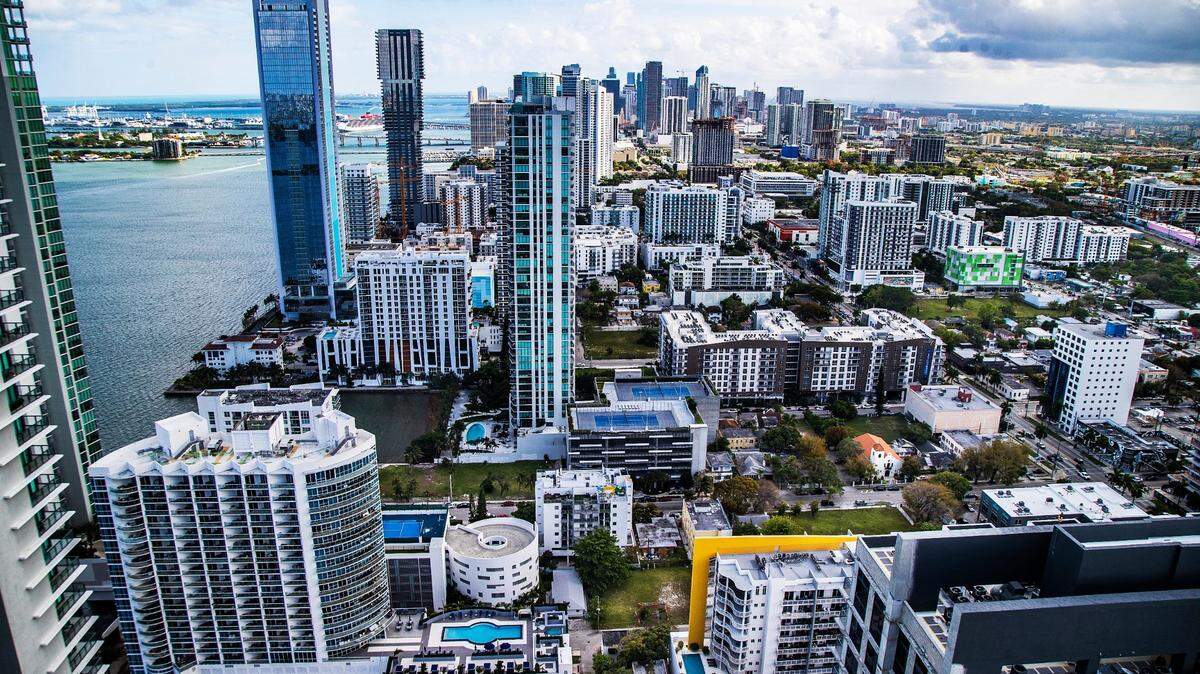
Miami’s business-friendly tax environment has made for a surge in corporate relocations and economic growth. In 2023, Florida had 86% more companies relocate their headquarters to the state than leave the state, one of the largest net gains compared to other states in the past year.
With election season underway, which is likely to have a significant impact on corporate tax, South Florida business leaders are watching closely as policy changes can impact their financial and operational strategies.
Almost half of the tax leaders surveyed (44%) in BDO’s 2024 Tax Strategist Survey believe the election outcome will pose significant challenges to their business, as policy changes implemented by the next president may affect tax rates, trade regulations, incentives and IRS funding. Not to mention the tax provisions that are set to sunset in 2025, such as the reduced statutory income tax rates introduced by the 2017 Tax Cuts and Jobs Act.
Given Florida’s unique tax landscape, it’s essential for local businesses to grasp how federal-level changes can impact them.
International trade policy
About 37% of survey respondents said international trade policy will matter the most for their business in the 2024 election. The president has the authority to nominate the United States Trade Representative (USTR), a key cabinet-level position that plays a significant role in shaping and implementing U.S. trade policy.
Miami is a global trade hub with major exports like machinery, electronics and agricultural products. A new USTR, with a focus on expanding trade agreements or reducing trade barriers, could create new opportunities for the state’s more than 58,000 small and medium-sized enterprises that export goods.
Inflation reduction act
Tax leaders say the No. 1 tax policy issue they are watching this election season is changes to certain Inflation Reduction Act (IRA) clean energy subsidies (44%). As a leader in clean energy, Florida is among the states with the greatest interest in the subsidies and the changes in tax policy they may entail. The outcome of the upcoming election could result in policy changes that impact or eliminate renewable energy subsidies first introduced in the 2022 IRA.
Many businesses have already integrated these credits into their long-term investment strategies, especially the ability to transfer or sell credits that the IRA introduced
. In Florida, the IRA can help businesses offset the costs of adopting clean energy technologies through tax credits and incentives. This includes a tax credit of up to $5 per square foot for commercial building owners to support energy efficiency improvements that deliver lower utility bills. Other programs that will benefit small businesses include tax credits covering 30% of the costs of installing low-cost solar power and of purchasing clean trucks and vans.
Corporate tax rate changes
The second issue tax leaders are following for the 2024 election is federal corporate tax rate changes (42%). Florida has a relatively low corporate tax rate (5.5%) compared to other states, and it imposes no personal state income tax, which offers businesses of all sizes and industries a very favorable tax structure.
Any increase in federal corporate tax rates could incentivize businesses to relocate corporate headquarters to the Sunshine State. Businesses could benefit not only from the lower overall tax burden but also from other factors, such as a favorable business climate, access to skilled labor and proximity to major markets and shipping routes. Florida’s unique tax advantages position the state as a preferred destination for businesses aiming to optimize their tax strategy and operational efficiency.
How businesses can prepare for changes
It’s important to monitor possible outcomes when tax planning. While the future direction of tax policy is not yet clear, business and tax leaders should stay informed about possible changes by participating in professional groups, reviewing tax publications, and strategically using their networks and tax advisors in anticipation and preparation for policy and regulatory shifts.
By promoting open communication and a culture of preparedness, organizations can adapt more smoothly to policy shifts and minimize disruptions to navigate the potential changes with confidence.
This story was originally published August 22, 2024 at 8:06 AM.